



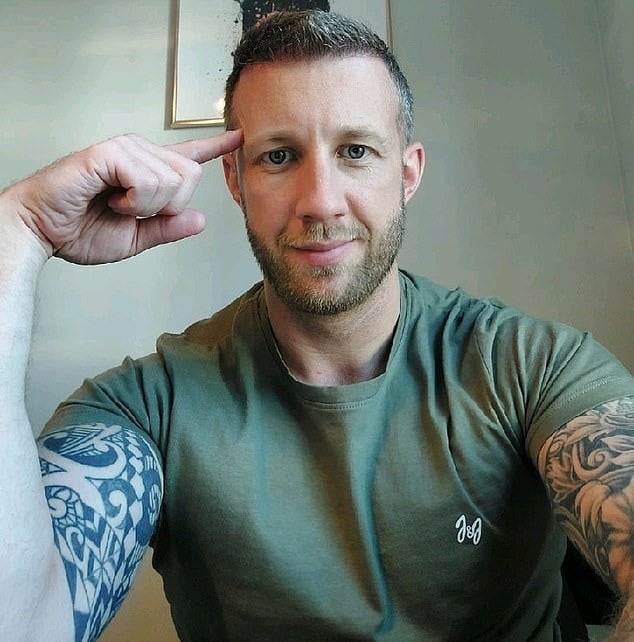
An inquest jury found the contractor’s field operators “failed to take reasonable steps” to locate Matthew Trickett’s address, leaving his electronic tag unfitted. The coroner will issue prevention of future deaths reports.
A former Royal Marine facing National Security Act charges over alleged spying for Hong Kong died by suicide after the security firm Serco failed to find his home and fit his electronic tag, an inquest jury has concluded. Matthew Trickett, 37, was found in a park near his home in Maidenhead, Berkshire, on 19 May 2024, six days after appearing at Westminster Magistrates’ Court. Jurors at Berkshire Coroner’s Court said Serco field operators failed to take reasonable steps to locate his address on several days. Senior Coroner Heidi Connor confirmed she will issue prevention of future deaths reports.
The jury’s findings
The jury found that Serco’s failure left it unable to fit the tag. A fourth failed visit triggered a bail-breach notification to Thames Valley Police. The foreman told the inquest that when Mr Trickett learned police were trying to find him, he feared being arrested and taken back into custody and brought forward his plans. The jurors recorded a conclusion of suicide, and a post-mortem examination found no evidence of third-party assault, restraint or natural disease.
Mrs Connor said simple Google Maps searches carried out in court showed “how easy” it was to find Mr Trickett’s home. She said Serco has not yet carried out an internal investigation, although the events took place two and a half years ago. She raised concerns that more people could die unless Serco improves its systems for locating suspects’ addresses and notifying them of problems. “Fortunately, a scenario like [Mr Trickett’s] is very rare,” she said. “However I’m also aware that Serco will be required to tag dangerous offenders who may be a risk to the public, including those covered by the early release scheme.” She referred to a report that found continuing concerns about electronic tagging.
Police failings
While in police custody, Mr Trickett attempted to harm himself and said he intended to take his own life once released. Prosecutors asked for him to be remanded in custody for his own welfare ahead of a hearing at the Old Bailey, but Westminster Magistrates’ Court bailed him two days after the incident, despite prosecutors warning that he was suicidal. He kept to his bail conditions, attending the police station and keeping to a curfew.
The Metropolitan Police’s senior investigating officer accepted the force should have given Thames Valley Police more information about Mr Trickett’s self-harm and suicidal comments. That was not passed on when he went from a central London cell to his home in Maidenhead, which falls under Thames Valley Police. The officer told the inquest on 11 November that National Security Act custody records were kept on paper, so staff had to update computer records manually. He said police had expected Mr Trickett to be remanded, and that the case involved 11 arrests and suspects held for 12 or 13 days. He said it was only the second or third time his unit had used the National Security Act 2023.
Mrs Connor welcomed the Met’s later introduction of a Self-Harm Risk Assessment Plan, which requires staff to write out a checklist of a national security detainee’s support network before release. She said the force has proposed rolling it out to standard custody cases.
The case
Mr Trickett, who was born in Poole, Dorset, in 1987, enlisted in the Royal Marines in 2007. He served in Afghanistan and the Red Sea, and left the military six years later. He later worked as a private investigator. He was charged with offences under the National Security Act alongside Peter Wai and Bill Yuen, both dual Chinese-British nationals. A jury at the Old Bailey convicted both of assisting a foreign intelligence service after a two-month trial in June. Wai, a UK Border Force official and former Metropolitan Police officer, was also convicted of misconduct in public office for misusing a Home Office computer to look up people of interest to Hong Kong authorities. According to Counter Terrorism Policing, Wai was jailed for 10 years and Yuen for eight. Mr Trickett was never tried, and none of the evidence in that case was tested against him.
Wider concerns over electronic tagging
Evidence to Parliament this month raised broader worries about electronic monitoring. Labour MP Bell Ribeiro-Addy told the Commons on 10 November, citing Ministry of Justice figures dated 30 September, that 15 per cent of people subject to monitoring orders had no tag fitted. She said a further 1,309 had been out of contact for at least 28 days. Probation representatives told the House of Lords on the same day that Serco’s contractual targets are being met, but that officers continue to receive complaints about missed visits and unfitted tags. They said fitting a tag does not guarantee someone can be monitored. These figures are about the wider system and not Mr Trickett’s case.
