



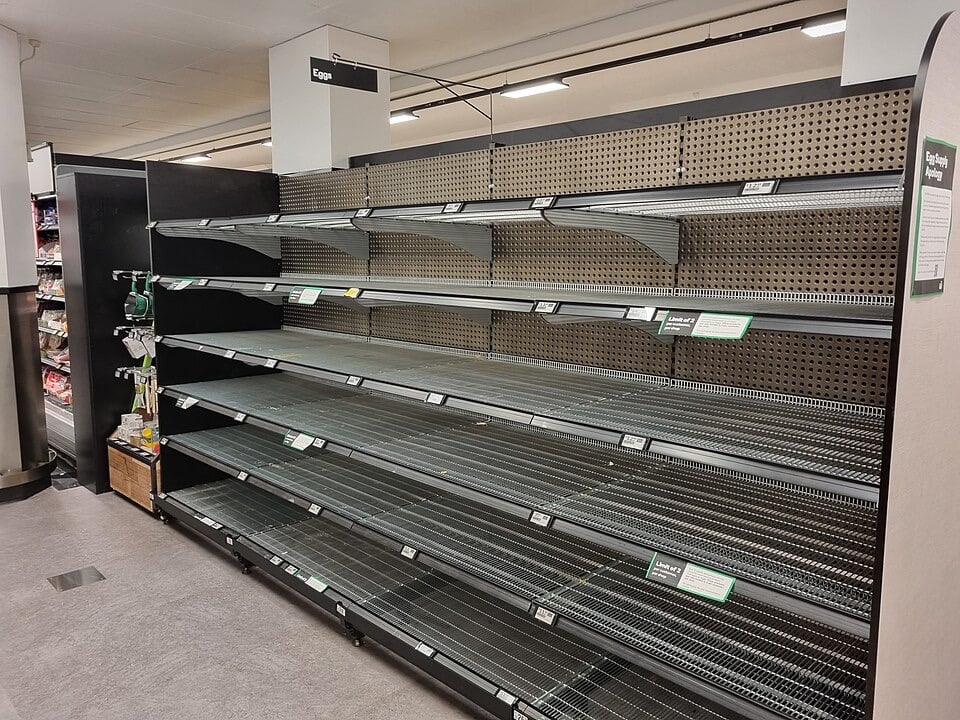
British farmers are battling severe drought conditions that threaten a wide range of everyday food staples, from potatoes and salad crops to beef and dairy, as experts warn shoppers could face higher prices and smaller produce in the months ahead.
British farmers are grappling with what experts are calling a perfect storm, as drought conditions have now been officially declared across half of England, placing further pressure on crop yields already under strain. The situation compounds existing pressures on the UK’s food supply, including disruption caused by the war in Iran, years of elevated fertiliser and animal feed costs stemming from the invasion of Ukraine, and a string of extreme weather events affecting British farming. By mid-July, England had received just 3% of its average rainfall, with the Met Office not forecasting significant rain in the coming weeks, prompting warnings that supermarket prices could climb even further.
Vegetables under pressure
Potatoes are among the crops facing the greatest strain, as they require substantial amounts of water throughout the growing season. Reduced irrigation combined with heat stress could result in smaller potatoes, lower yields and higher prices at the till. Carrots, onions, lettuce, cabbage and broccoli are similarly vulnerable, with prolonged dry conditions limiting growth and reducing quality, raising the likelihood of shortages later in the year.
Vegetable growers have specifically flagged salads and leafy greens as especially at risk, given their reliance on consistent soil moisture throughout the growing period. Peas and beans may also produce fewer pods during extended drought, particularly in regions where irrigation options are limited.
Fruit and cereal crops affected
Soft fruit including strawberries, raspberries and blackberries could see reduced harvests if irrigation restrictions continue, with growers already warning of the impact. Apples and pears are also showing signs of stress from the lack of rainfall, with some orchards expecting smaller fruit sizes should dry conditions persist.
Spring barley, a key ingredient in beer and whisky production, has been hit particularly hard following a dry spring, with farmers warning of significantly reduced yields. Wheat and other cereals have ripened much earlier than usual due to the heat, raising concerns over both grain quality and overall harvest volumes. Sugar beet crops have also shown signs of heat stress in some regions, raising questions over future sugar production should rainfall fail to materialise soon.
Meat, dairy and livestock
The drought is also affecting meat and dairy production. Beef and lamb could become more expensive as slowed grass growth forces farmers to draw on winter feed reserves months earlier than usual. Farmers have warned that shortages of silage and forage later in the year could push up the cost of producing milk, beef and lamb across the board.
Dairy farms are facing increased water demand to support livestock, while prolonged hot weather can itself reduce milk production during extended heat spells.
Why shortages could follow
The scale of the challenge is reflected in the water restrictions now in place. More than 1,350 abstraction restrictions are currently active across England, limiting how much water many farmers are permitted to draw from rivers for irrigation. Irrigation reservoirs in some farming regions have fallen to between just 30% and 50% of capacity, raising concerns over whether water supplies will last through the remainder of summer.
The cereal harvest has already begun earlier than normal, with crops ripening prematurely due to the sustained heat and lack of rainfall. Farmers have also reported an increase in field fires during harvesting, as tinder-dry crops combined with machinery create a heightened fire risk.
What it could mean for shoppers
Andrew Opie, director of food and sustainability policy at the British Retail Consortium, said: “Climate change continues to create challenges for retailers and their suppliers. Extreme weather, including drought, can affect crop yields and place upward pressure on prices.”
Retailers have warned that even if supermarket shelves remain fully stocked, consumers are likely to notice the effects of the drought in other ways, including higher prices, smaller-sized produce, and a greater reliance on imported fruit and vegetables should the dry conditions continue.
