



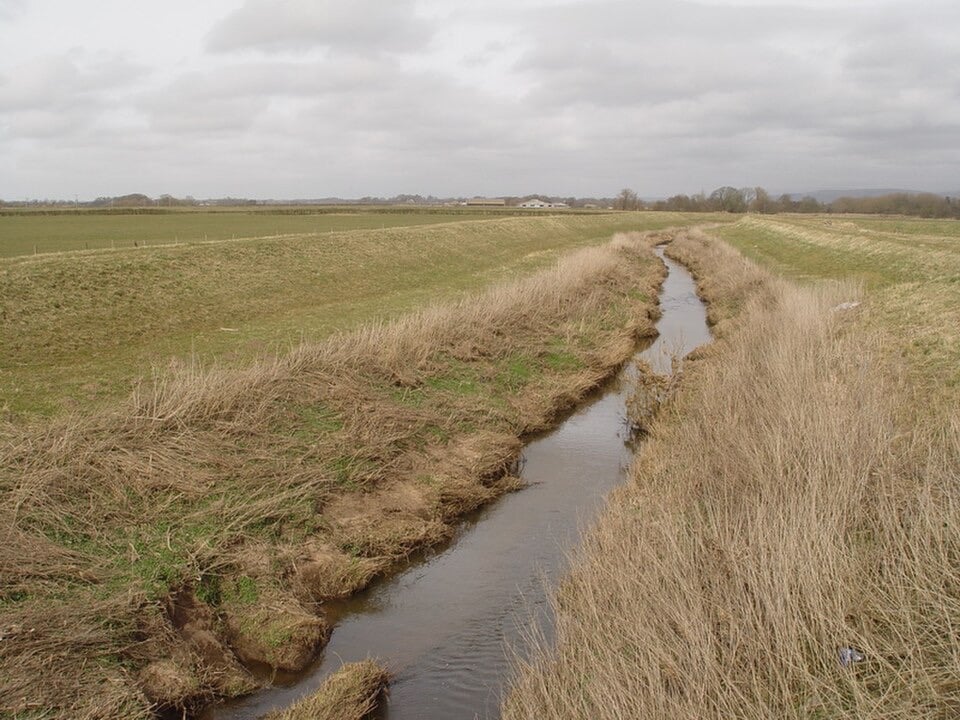
Parts of North Wales and the Upper Severn have officially entered drought status, the first areas in the UK to do so this year, as almost 40% of England’s population faces temporary water restrictions amid record dry conditions.
Drought has officially been declared in the UK for the first time this year, with six areas recording severely dry conditions. North Gwynedd, Ynys Môn (Anglesey), South Gwynedd, Dee, Clwyd and the Upper Severn entered drought status yesterday, having received less than two per cent of their expected rainfall this month, with the last significant rain falling on July 6. The declaration comes as eight British water providers currently enforce hosepipe bans, and further regions across England remain at risk of following North Wales into official drought status.
Areas moving toward drought conditions
Several parts of England have been reclassified this week by the Environment Agency, moving from the “normal” category to “prolonged dry weather” as soil moisture deficits reach record levels. The whole of southern England is now considered to be in prolonged dry weather, with the exception of north-west Kent, alongside East Anglia, Lincolnshire, Northamptonshire and the West Midlands. Soil moisture deficits have reached record levels for late July across parts of the north-east, central, south-east and south-west of England, adding further pressure on the agricultural sector.
Hosepipe bans affecting millions
To manage the worsening conditions, around 23 million people across the UK are now living under temporary hosepipe bans introduced by eight water companies. Thames Water, the UK’s largest provider, enforced a ban for all 10 million of its drinking water customers yesterday. The Environment Agency says almost 40% of England’s population is now subject to some form of temporary water-use restriction as dry conditions persist. Anyone found breaking hosepipe ban rules could face a fine of up to £1,000, unless they qualify for an approved exemption.
Water resources under strain
Reservoir storage across England has fallen to around 75% capacity, roughly 7% below the long-term average for this time of year. Around 84% of monitored river flows in England are currently below normal levels or lower, with some rivers recording exceptionally low flows. More than 1,300 abstraction licence restrictions are now in place as a result of these low river levels.
In response, the Environment Agency is considering a drought permit application from South West Water, while Southern Water may also seek a drought order should conditions continue to worsen. The National Drought Group is meeting regularly throughout the summer to coordinate the response between government agencies, water companies and environmental organisations.
Impact on agriculture
Farmers have reported earlier harvests, reduced crop yields and increased reliance on winter livestock feed as a result of the prolonged dry spell. The combination of low soil moisture and reduced river flows is placing significant strain on agricultural output across affected regions.
Weather outlook
Britain has experienced extended periods of hot, dry weather this summer, with temperatures reaching as high as 37.3C in Suffolk last month. Forecasters expect some rain over the coming weekend, particularly across western parts of the UK, though meteorologists have cautioned that this is unlikely to be sufficient to meaningfully ease drought conditions or replenish depleted water resources. No water company in England or Wales has yet confirmed when the current hosepipe bans will be lifted.
