



Manchester Pigeon Rehab has alleged that contractors working for Transport for London shot dead more than 650 pigeons across the network since March 2024, with images showing injured birds and questions raised over whether the culls broke wildlife protection law.
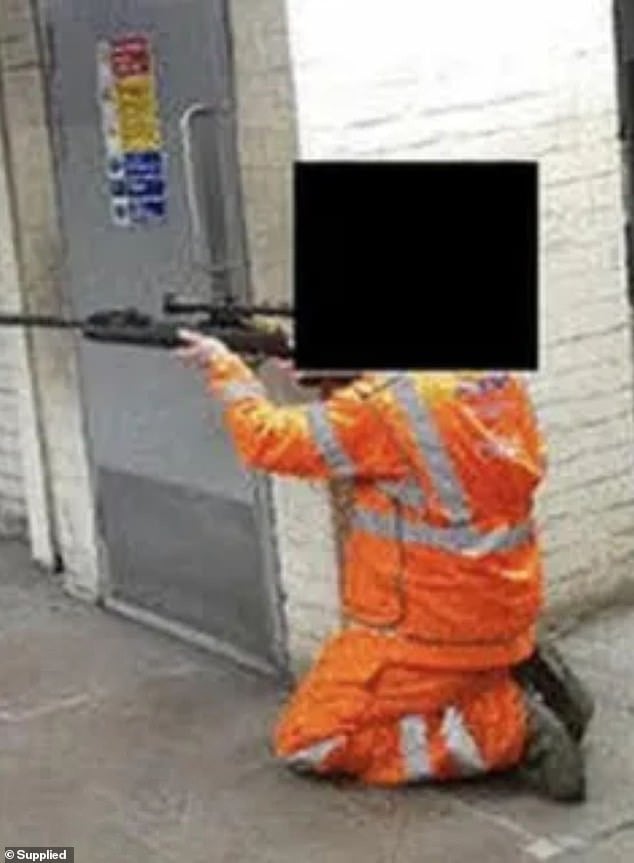
Transport for London has been accused of overseeing a mass cull in which contracted workers are said to have shot dead more than 650 pigeons at stations across the network. According to data compiled by Manchester Pigeon Rehab (MPR), at least 123 separate pigeon shoots took place between March 2024 and 2026, targeting birds nesting on station ledges or caught in protective netting. MPR has also released images it says show staff in hi-vis clothing aiming air rifles at birds inside underground stations, alongside further allegations that some culls were carried out during the birds’ breeding season.
The scale of the alleged cull
MPR’s figures put the number of pigeons shot and killed at 655, with at least seven chicks also killed or removed and 17 active nests cleared during the period covered by the data. The group says the shoots were intended to remove birds nesting on ledges or trapped in netting installed at stations to deter them.
Images and allegations of suffering
Among the material released by MPR are photographs said to show workers in hi-vis clothing taking aim at pigeons with air rifles inside underground stations, along with one image reportedly showing a worker standing with their boot on an injured, bleeding pigeon at Stanmore station. MPR has further alleged that some chicks and fledglings were left orphaned, while others had their necks broken using what were described as “humane bird dispatchers.” The group claims most of the killings took place overnight, generally between midnight and 5am, and alleges that in some cases birds were not killed instantly, with some fleeing the scene seriously injured.
Culls during the breeding season
MPR has also alleged that pigeon culls continued through breeding seasons, despite guidance from Natural England advising against lethal control during this period. According to the group, birds found trapped in station netting were frequently shot rather than freed. Campaigners have since questioned whether this complied with wildlife protection law, since active nests, eggs and dependent chicks are typically afforded additional legal protection during the nesting season.
Transport for London’s position
TfL classifies pigeons as a public health and infrastructure concern, citing risks including slip hazards caused by droppings, damage to station buildings from acidic waste, and interference with equipment. According to reports, the culls were carried out by licensed pest control contractors using high-powered air rifles during overnight engineering hours, when stations were closed to passengers. TfL has previously said it employs a range of bird control measures, including netting, spikes, proofing work and habitat management, and that lethal control is used only when these other options are considered ineffective. The organisation has also maintained that any lethal bird control on its estate must comply with animal welfare legislation and pest control best practice, with contractors required to minimise unnecessary suffering.
Calls for non-lethal alternatives
MPR and other animal welfare groups have argued that TfL failed to sufficiently explore non-lethal alternatives before resorting to shooting, and say birds found trapped in protective netting should be rescued rather than killed, arguing that better-maintained bird-proofing systems could prevent many such incidents from arising in the first place. Wildlife charities have separately called for greater use of humane deterrents, including contraceptive feed, improved waste management around stations and stronger exclusion measures, rather than lethal control.
Critics have also raised concerns about the risk of inaccurate shots leaving pigeons wounded rather than killed outright, potentially causing prolonged suffering before the birds are eventually captured or die from their injuries. Experts note that urban pigeon populations can grow quickly, since the birds are capable of multiple breeding cycles each year, making long-term population control difficult unless nesting sites and food sources are also addressed.
Renewed calls for transparency
The allegations have prompted campaigners to call for greater transparency from TfL over how frequently lethal bird control is authorised across the transport network, and what non-lethal alternatives are considered before such measures are approved.
