



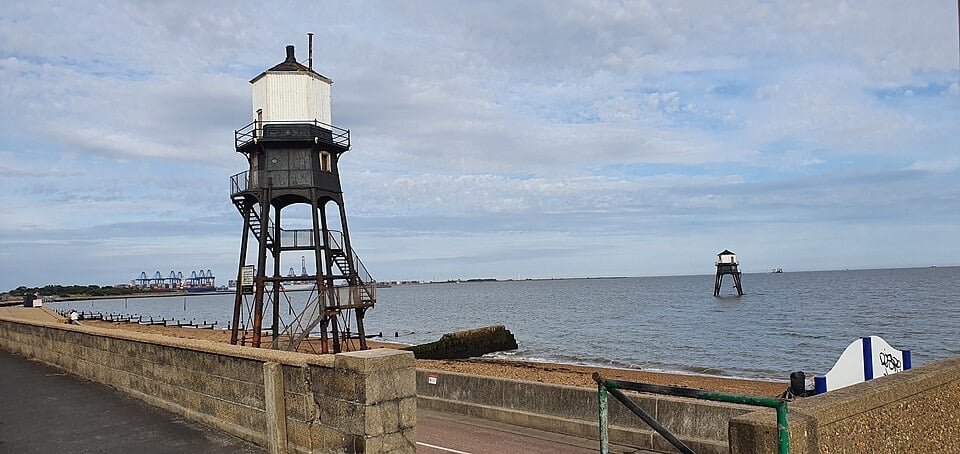
Residents of Shoeburyness in Southend have been closing their windows each evening to escape a persistent “rotten egg” smell, which the council and local experts believe is being caused by decaying seaweed on exposed mudflats during the recent heatwave.
Residents in a UK seaside town have been forced to shut their windows because of a foul odour likened to rotten eggs, which has been lingering in the air over recent evenings. People living in Shoeburyness, part of the city of Southend, Essex, have reported the smell particularly along the seafront, prompting speculation over its cause. Southend-on-Sea City Council has said it has received reports of the odour, but has found no evidence of a pollution incident, with naturally decaying seaweed considered the most likely explanation.
Residents describe the smell
Complaints have been mounting on the Your Southend Facebook group in recent days. One resident wrote: “It’s been every evening. The smell is absolutely vile. I have to close my windows and doors because the smell is coming into the property.” Another agreed, saying: “Shoebury has smelt like rotten eggs for 3 days!”
Local resident Donna Young pointed to unusually large amounts of seaweed washed up along the shoreline as a possible cause, saying: “There is loads of seaweed by the seawall near to The Garrison. I don’t think I’ve ever seen so much.” Southend, recently named Essex’s fourth best seaside town in a Which? survey, has seen residents put forward various theories to explain the smell.
What’s behind the odour
According to the admin of the Your Southend Facebook group, the smell is likely the result of a combination of the recent hot weather, low tides and rotting seaweed. As the tide recedes, large areas of mudflats are exposed along the Thames Estuary, and bacteria within these mudflats break down decaying seaweed, releasing hydrogen sulphide, a gas well known for its distinctive rotten egg smell. The recent run of consecutive heatwaves is thought to have accelerated this natural process.
Southend-on-Sea City Council said the smell tends to be most noticeable during low tide combined with light evening winds, conditions under which hydrogen sulphide released from the exposed mudflats is more likely to accumulate near the shoreline. The Environment Agency has not reported any sewage discharge or chemical spill linked to the recent odours in the area.
Hydrogen sulphide is commonly produced in salt marshes, estuaries and coastal mudflats, where naturally occurring bacteria break down organic matter in low-oxygen conditions. Experts note that the smell typically clears once tides return or stronger winds help disperse the gas, meaning the problem tends to be temporary rather than ongoing.
Expert and health guidance
A Florida-based researcher who has studied seaweed blooms similar to those seen along the Essex coastline since 1973 told the Guardian that odours caused by hydrogen sulphide are a “real issue,” adding that “people need to take precautions if they’re living in an area with those odours.” UK Government guidance states that prolonged exposure can cause “notable discomfort” for the average person, while larger concentrations of the gas can trigger headaches, bronchial constriction, fatigue and dizziness.
Experts have said that while concentrations in cases like this are generally too low to pose a serious health risk, people with asthma or other respiratory conditions may be more sensitive to the smell and any associated irritation.
A recurring seasonal issue
Residents posting on the Facebook group have noted that the smell tends to occur annually, with one describing it as “one of the downsides of living in a coastal area.” Similar seasonal odours have previously been reported in other communities along the Thames Estuary during extended periods of hot, dry weather combined with very low tides.
