



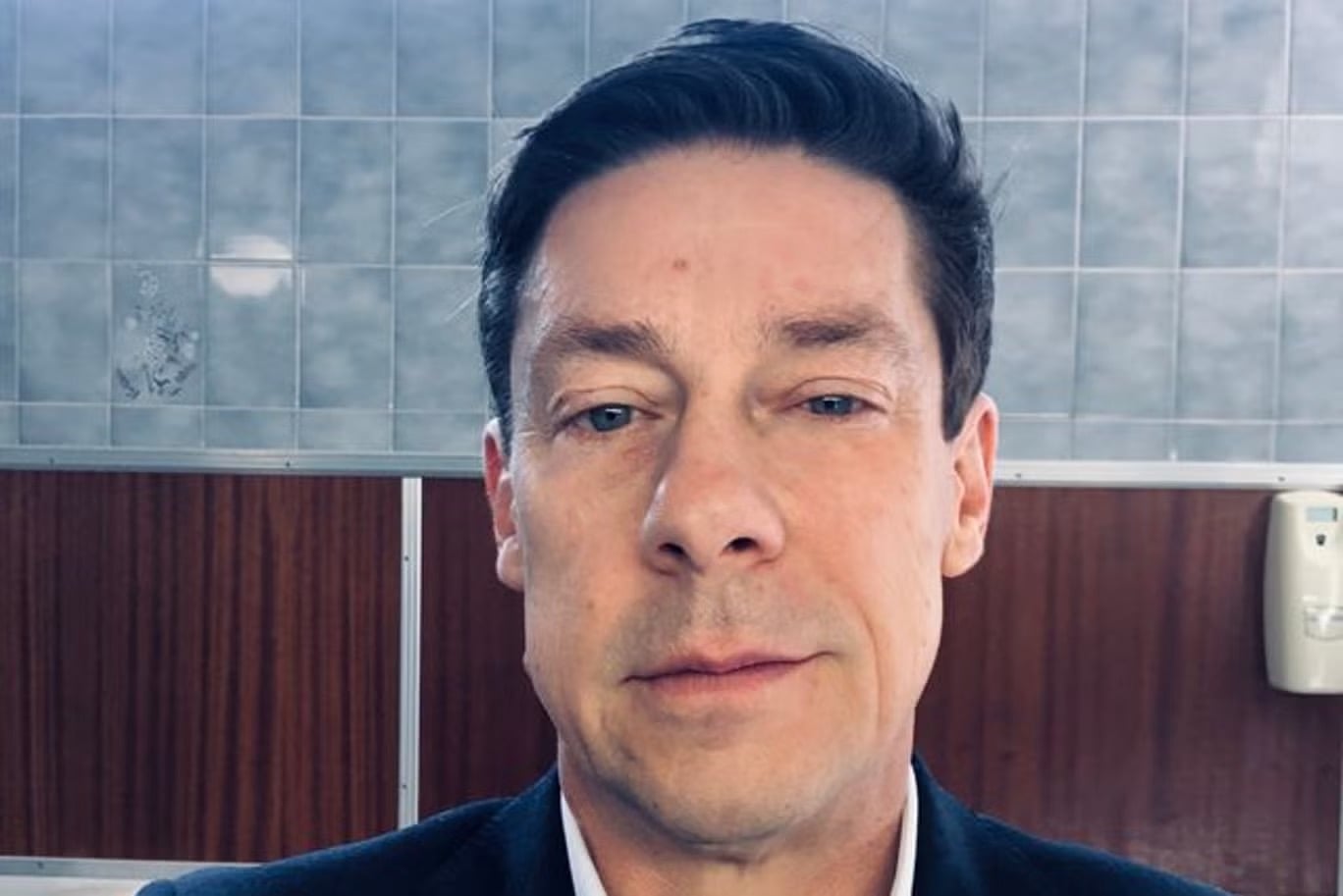
Hertfordshire Constabulary has been told to reopen its investigation into claims of homophobic bias following the death of Scott Gough, after the police watchdog found the force made “several errors” and failed to properly examine whether his sexuality influenced key decisions in the case.
Police have been ordered to reexamine allegations of homophobia after the Independent Office for Police Conduct found Hertfordshire Constabulary made “several errors” in its handling of the death of Scott Gough, a man allegedly targeted through the dating app Grindr. Mr Gough was found dead at his home in Chandler’s Cross, Hertfordshire, two years ago by his partner of 14 years, Cameron Tewson, just one day after a group of men had turned up demanding his car keys and left a threatening note. His death was recorded as a suicide rather than investigated as a potential blackmail case, despite police records showing the phone number used by the group had been linked to at least four similar incidents in the local area.
What happened before Mr Gough’s death
On 28 March 2024, six men knocked on the door of Mr Gough’s home, demanding to speak to the “owner of the white Range Rover.” The group left behind a note reading: “I think it’s in your best interest to give me a call. Call this number.” Mr Gough told his partner he did not recognise the men, and after the police were called, the call handler assessed there was no danger or threat to life. Returning home from visiting family the following day, Mr Tewson found Mr Gough dead upstairs, with a note left on the dining table.
Mr Gough had previously used Grindr, and Mr Tewson raised this with police during the investigation, but said he felt officers “had a homophobic assumption of a promiscuous lifestyle.” He also said key evidence, including CCTV footage, Mr Gough’s laptop, and DNA samples, was not properly collected or was subsequently lost. Within seven weeks, the investigation had been closed, with Mr Gough’s death recorded as a suicide due to “insufficient evidence.”
The complaint and IOPC findings
In July 2024, Mr Tewson lodged a complaint with Hertfordshire Constabulary’s Professional Standards Department, accusing the force of discrimination and potential homophobic bias in its handling of the case. During questioning by the department, one officer reportedly claimed Mr Tewson had a “personal vendetta” against them.
The IOPC has since concluded that the force’s handling of the complaint was “not reasonable and proportionate,” finding that officers had failed to properly examine whether Mr Gough’s sexuality influenced key investigative decisions, despite this being a central issue raised by Mr Tewson. The watchdog has directed Hertfordshire Constabulary to reinvestigate the complaint as a result.
Links to other blackmail cases
Police records showed that the phone number left on the handwritten note had been connected to other suspected Grindr blackmail incidents in the area, including reports made within ten days of Mr Gough’s death. In those cases, victims said they had arranged to meet someone through Grindr before being confronted by groups of men demanding money.
According to police documents, the group later claimed to be “paedophile hunters,” though investigators found no intelligence or evidence to support that claim. The IOPC report found that police had treated members of the suspected group as individuals requiring safeguarding, rather than investigating them as potential suspects in what may have been an organised blackmail operation. Officers had previously identified suspects linked to the phone number and visited them to offer “stern words of advice,” rather than pursuing the matter as a criminal investigation.
Ongoing inquest
An inquest into the full circumstances surrounding Scott Gough’s death remains open, despite the original police investigation concluding it was a suicide.
Before his death, Mr Gough was described as an outgoing, fun-loving and adventurous person, with an interest in cars and cooking, who shared a dog, Otis, with Mr Tewson.
This story involves discussion of suicide. If you or someone you know is struggling, Samaritans offers free, confidential support 24 hours a day on 116 123.
