



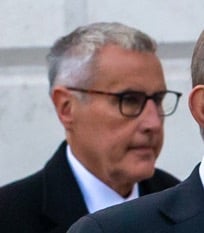
Veteran broadcaster Dermot Murnaghan, whose journalism career spanned five decades across the BBC, ITV, Channel 4 and Sky News, has died aged 68 following an illness with prostate cancer.
Dermot Murnaghan, one of Britain’s most recognisable television news presenters, has died at the age of 68. His family confirmed he passed away peacefully at his home in north London on Saturday after living with prostate cancer. Over a career lasting more than 50 years, Murnaghan became a familiar and trusted figure on British television, covering many of the nation’s defining moments while working for the BBC, ITV, Channel 4 and Sky News.
In a statement, his family said he died with his loved ones by his side following a period of illness.
Murnaghan spent 15 years as one of Sky News’ leading anchors before leaving the broadcaster in 2023. Throughout his career, he reported on major political events, conflicts, general elections and constitutional milestones, earning a reputation for measured and authoritative broadcasting.
He was among the presenters who guided viewers through some of the UK’s most significant news stories, including the announcement of Queen Elizabeth II’s death in 2022. Away from rolling news, he also became widely known to television audiences as host of the popular BBC quiz programme Eggheads.
Career across Britain’s biggest broadcasters
After beginning his career in local newspapers, Murnaghan moved into television journalism with ITN, where he appeared on Channel 4 News and News at Ten. He later joined BBC News, becoming a familiar face on Breakfastalongside Natasha Kaplinsky during the early 2000s.
His move to Sky News marked the longest chapter of his broadcasting career, where he fronted daily news coverage as well as a long-running Sunday morning political programme. Former Sky News executive John Ryley described him as “absolutely the heart of Sky’s ability to break news.”
Campaign to raise awareness of prostate cancer
In the final months of his life, Murnaghan publicly discussed his diagnosis with prostate cancer, using his platform to encourage men to be tested and to raise awareness of the disease.
Former Prime Minister David Cameron, who has also undergone treatment for prostate cancer, said Murnaghan’s decision to speak openly about his illness “will have saved lives.”
His willingness to share his experience brought renewed attention to the importance of early detection, adding another dimension to a career built on informing the public.
Murnaghan is remembered as one of British broadcasting’s most respected journalists, whose calm presence became synonymous with coverage of the country’s biggest stories over more than five decades.
