



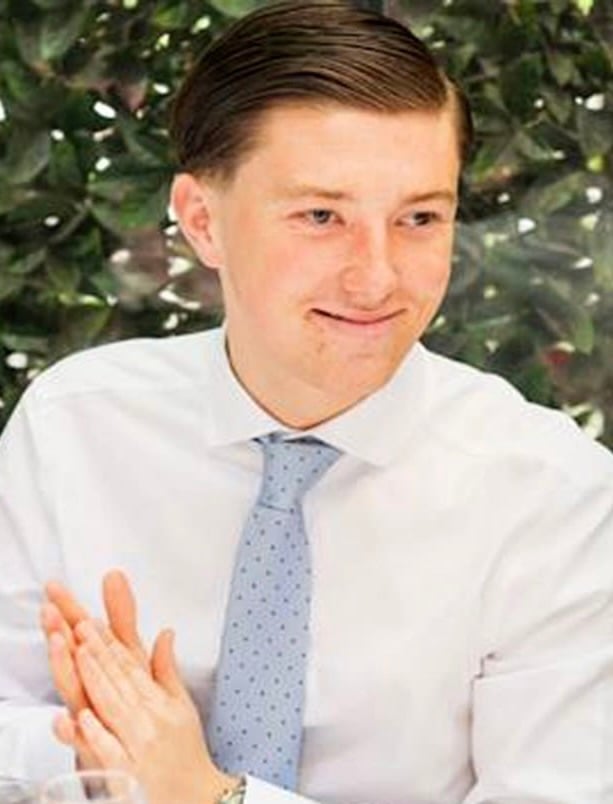
A coroner has ruled that a full jury inquest will examine whether Hampshire Police officers caused or contributed to the death of Henry Nowak — the 18-year-old student stabbed to death in Southampton after his killer used a false racism allegation to ensure Henry was handcuffed by officers as he lay dying.
Hampshire’s area coroner Jason Pegg told Winchester Coroner’s Court on Thursday that because Henry was under arrest and in police custody when he died, Article 2 of the European Convention on Human Rights — the right to life — had been engaged, requiring a public investigation into the broader circumstances surrounding his death. “The issue in this case is likely to be whether any act or omission by a police officer or any delay in the treatment Henry Nowak received caused or contributed to death,” Mr Pegg said, adding that existing investigations had not fully discharged the obligations that Article 2 imposes.
The inquest will be heard before a jury and has been adjourned to 20 September 2027, a date the coroner acknowledged was “some time away” and which he expressed hope might be brought forward. Henry’s post-mortem gave his cause of death as a stab wound to the chest.
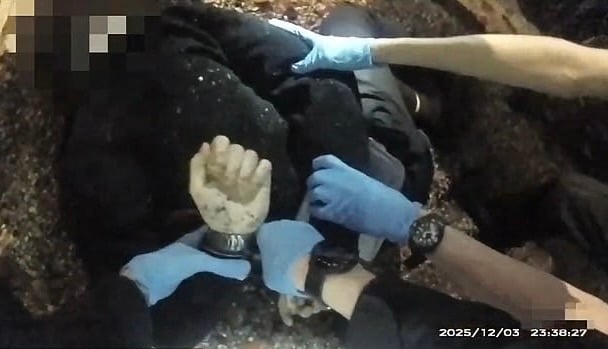
The ruling marks a significant legal escalation in a case that has already generated one of the most intense policing controversies in recent British history. Vickrum Digwa, 23, was jailed for life on Monday with a minimum term of 21 years for the murder. His mother Kiran Kaur is awaiting sentencing for removing the murder weapon. Digwa had stabbed Henry six times before falsely telling responding officers that Henry had racially abused him and knocked off his turban — a lie the prosecution described as a “wicked” manipulation of police that resulted in officers handcuffing the mortally wounded teenager, ignoring his pleas that he had been stabbed and could not breathe. Hampshire Police chief constable Alexis Boon apologised publicly to Henry’s family on Wednesday. The Independent Office for Police Conduct is separately investigating the officers’ conduct.
The case has thrown a spotlight on the culture within the force. A University of Reading report, commissioned by Hampshire and Isle of Wight Constabulary following its compulsory “Inclusion Matters” diversity training programme, found that one in seven of the more than 6,000 officers and staff surveyed had felt “controlled and pressured” to adopt certain ideas during the course. A further 14 per cent believed mistakes would have been held against them and one in five feared being “rejected for saying the wrong thing.” The majority responded positively — 84 per cent said they had not felt pressured and 86 per cent said they did not fear their mistakes being used against them — but the minority responses have become central to the political debate about whether diversity training influenced how officers responded to Digwa’s false allegation.
The political reaction has been fierce and divisive. Shadow Home Secretary Chris Philp has called for a full misconduct probe into the officers who arrested Henry. Reform UK leader Nigel Farage said the public should feel “pure, cold rage” and warned policing culture must change or division would get “far worse.” Prime Minister Sir Keir Starmer branded Farage’s remarks “unforgiveable” in the Commons, pointing to Henry’s family’s own plea that their son’s death not be used to inflame division. Conservative leader Kemi Badenoch has drawn comparisons with the Stephen Lawrence case and the subsequent MacPherson Inquiry that found institutional racism in the Metropolitan Police.
The case also triggered rioting in Southampton following the conclusion of Digwa’s trial, in which 11 police officers and a police dog were injured. Matt Styler, 50, has been charged with assaulting a police officer, and Daniel Frost, 44, with violent disorder and possession of an offensive weapon. Both appeared at Southampton Magistrates’ Court.
Andy George, president of the National Black Police Association and an officer with the Police Service of Northern Ireland, told BBC Radio 4’s Today programme that genuine lessons needed to be drawn from the case. “There’s definitely lessons to be learned from the Henry Nowak case,” he said, while warning of a potential “auto-correction” in policing as a result of the public anger surrounding it.
