



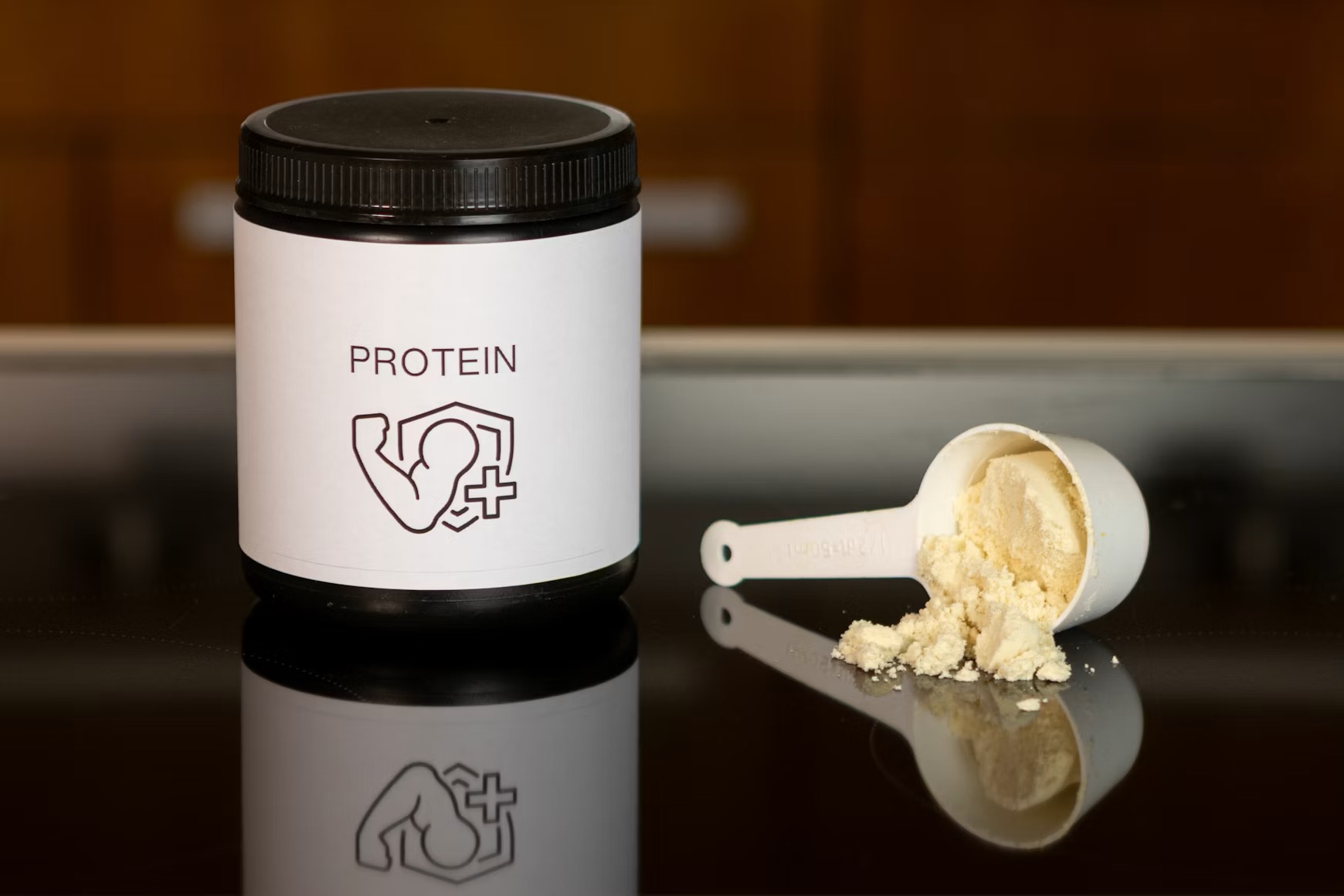
The social media-driven obsession with high-protein eating has collided with a fundamental limit of the dairy industry, triggering a global shortage of whey protein that is forcing food manufacturers to reformulate their products, pause production lines and warn consumers of price rises ahead.
Whey protein — once associated almost exclusively with gym shake bottles — has been incorporated at pace into everyday food products including waffles, pancake mixes, iced lattes, cookie dough and protein bars, as the so-called “protein maxxing” trend drives demand far beyond what the supply chain was designed to handle. The consequences are now becoming apparent. According to Bloomberg, some whey suppliers are already sold out for the remainder of 2026, while prices for high-protein whey concentrate have surged more than 40 per cent in just the past two months.
The bottleneck is structural and, crucially, not easily solved. Unlike plant-based proteins that can be grown and harvested seasonally, whey is a byproduct of cheese making — the liquid left over when milk is separated into curds. It must then be pasteurised and dried to become protein powder. Manufacturers cannot simply produce more whey without producing more cheese, a complex, time-intensive process that cannot be rapidly scaled to meet a spike in consumer demand.
“You start to think of yourself as a protein company, not a cheese company,” Bryan Weller, vice president at dairy cooperative Agri-Mark — which manufactures cheese under its Cabot Creamery brand — told Bloomberg. “That’s just how crazy it’s gotten.” The company has sold its entire available supply of whey protein and continues to field daily requests from buyers seeking immediate purchases.
The pressure on smaller producers is particularly acute. Majic Protein, a UK-based company that makes high-protein cookie dough desserts, told Bloomberg that the price of whey protein rose 30 per cent over three months before its wholesale supplier warned it would run out of stock entirely by September. Co-founder Ben Ayres said the company responded by purchasing every remaining unit of whey protein concentrate its supplier had available — a stockpile he expects will last two months at most.
US supplement company Vitalura Labs has stopped selling its whey protein isolate altogether after costs rose by more than 300 per cent since 2023. The product had previously accounted for half of its sales. Other manufacturers have paused whey-based lines or begun reformulating recipes to use alternatives such as milk protein concentrate, pea protein, or blends of rice and pumpkin seed protein.
Those substitutes, however, come with complications. One baking mix company told Bloomberg that switching to a new protein supplement left its pancakes tasting “like sawdust.” Plant-based blends can achieve a complete amino acid profile when combined correctly, but carry a different fibre content and may cause bloating in those with sensitive stomachs. Milk protein concentrate digests more slowly than whey, making it less suited to post-exercise nutrition — a key reason whey became the industry’s gold standard in the first place.
George Saker, vice president of supply chain at protein bar company David, said buyers now needed pre-existing relationships with whey manufacturers just to secure supply — a reversal of the dynamic that existed even recently, when producers would approach food companies to offload their whey. Registered dietitians have stressed that while alternative proteins are not dangerous, they are not nutritionally identical to whey.
Consumers may not notice any change on shelves immediately. But market research firm Spins predicts that within twelve to eighteen months, shoppers will see noticeable price increases on protein bars, fortified snacks and shakes. Some products will be discontinued. Those wanting to sidestep the shortage entirely can turn to whole-food protein sources unaffected by the supply crisis — eggs, chicken, fish, lean beef, beans, lentils and Greek yogurt among them.
