



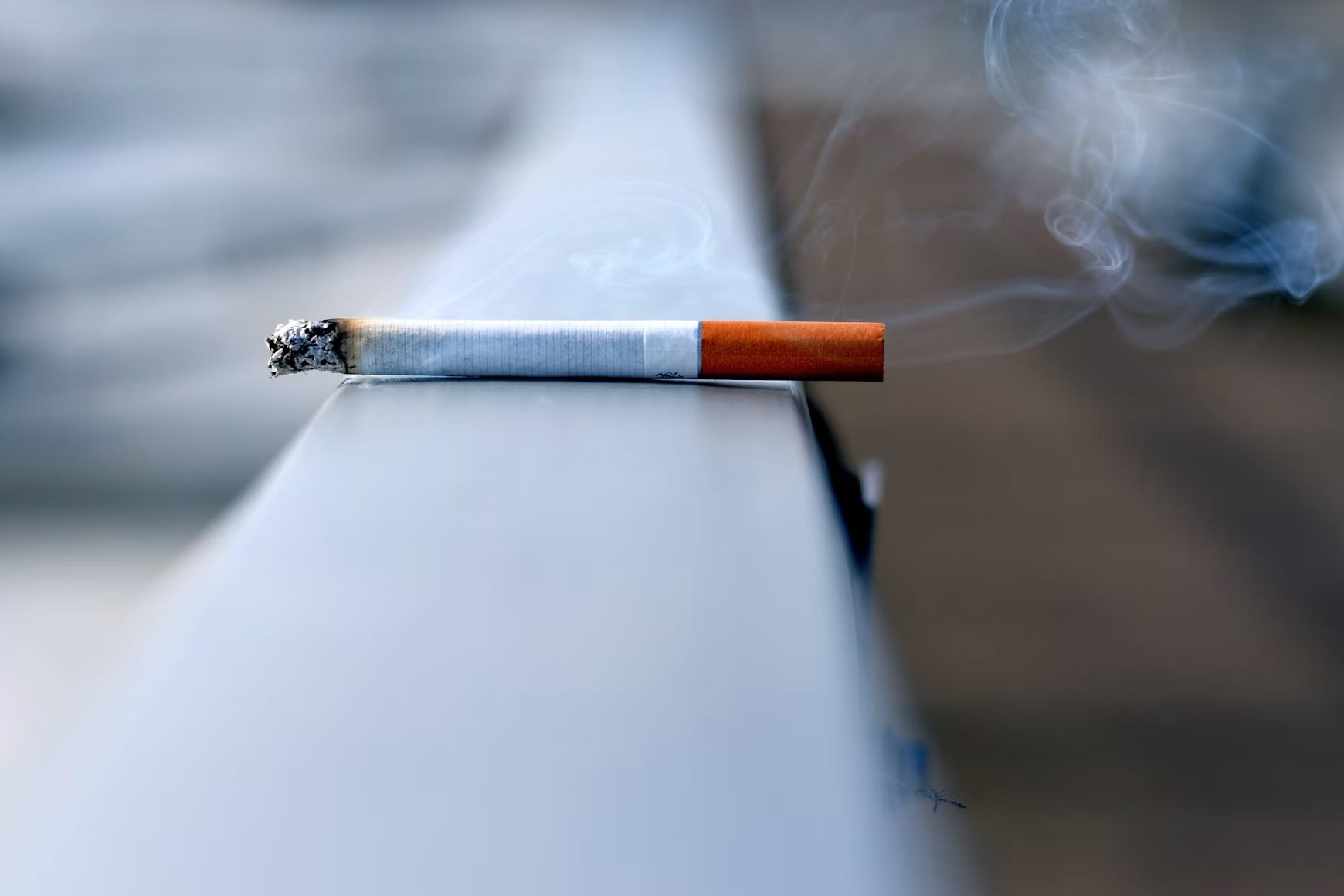
People regularly exposed to secondhand smoke carry significantly higher levels of cadmium — a toxic metal linked to kidney, lung and prostate cancers — in their blood than those who live in smoke-free environments, a new study has found, adding fresh evidence to the case for reducing passive smoke exposure.
The research, published in the journal Biological Trace Element Research, found that adults with heavy passive smoke exposure had around 1.5 times more cadmium in their blood than those with no exposure, though the study did not assess whether this directly translated into higher cancer rates. Active smokers carried more than three times the amount. High or prolonged cadmium exposure has previously been linked to kidney failure, brittle bones and chronic breathing conditions including bronchitis and asthma.
Researchers assessed cadmium levels in the blood and urine of 1,380 children and teenagers and 3,686 adults using national health data from 2015 to 2020, categorising participants by their level of tobacco smoke exposure, from none through to light, heavy and active smoking. Both blood and urine samples were used because while blood reflects recent exposure effectively, the kidneys retain cadmium for up to 30 years, making urine a more accurate indicator of long-term accumulation.
Lead author Nandita Sarker said the study filled an important gap in existing knowledge. “We knew that cigarette smoke exposes people to cadmium but until now, we didn’t know about the association with secondhand smoke. This is important information because cadmium builds up in the body over time and is a factor in kidney, lung and prostate cancers.”
The study found that across all age groups, women consistently showed higher cadmium levels than men, which researchers attributed to the female digestive tract naturally absorbing cadmium more efficiently. This effect is amplified during major hormonal changes such as menstruation, pregnancy and menopause. The research also found that people from racial minority backgrounds or those with lower incomes or less education faced significantly higher cadmium exposure, which the authors said could not be explained by smoking habits alone. “This disparity… likely is the result of broader social, environmental and financial inequalities,” said Sarker, noting that in such cases cadmium often enters the body through crowded shared housing with inadequate ventilation, diet, soil contamination or traffic exhaust.
Supervising researcher Taehyun Roh, of the Department of Epidemiology and Biostatistics, said the findings had implications beyond respiratory health. “These results highlight the importance of protecting people from tobacco smoke exposure not only for respiratory health but also for reducing exposure to harmful environmental contaminants that can accumulate in the body over time.”
The study has limitations. Because it is observational, it cannot prove that secondhand smoke directly causes cadmium buildup. It also relies on measuring cotinine, the primary breakdown product of nicotine, which remains in the body for only around 15 to 20 hours, making it impossible for a single test to distinguish between brief incidental exposure and longer-term passive smoking, or to track dietary cadmium accumulation over decades.
Secondhand smoke is known to contain more than 4,000 irritants, toxins and carcinogenic substances, and previous research has found that those regularly exposed face a meaningfully higher risk of developing many of the same diseases as smokers, albeit generally at lower rates. Passive smoking is estimated to contribute to tens of thousands of child deaths globally each year.
The findings come as the UK prepares to extend restrictions on smoking in public spaces. The Tobacco and Vapes Bill, due to come into force on 1 January 2027, will make it illegal to smoke or vape in cars carrying children, in playgrounds and outside schools. Smoking will also be banned outside hospitals and GP surgeries, though vaping will remain permitted there to support those attempting to quit. Outdoor spaces including pub gardens, beaches and private gardens will be exempt from the restrictions.
