



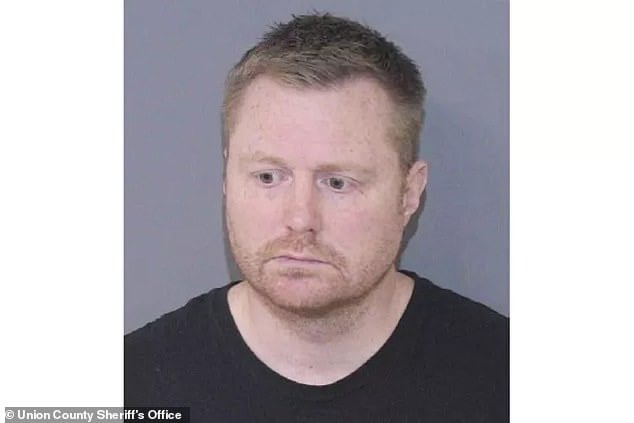
A North Carolina wedding venue owner has pleaded guilty to federal wire fraud after admitting to stealing more than $1million from couples, vendors and investors over a two-year period. Jason Lottman, 43, the former operator of Champagne Manor in Monroe, entered his plea on 6 July, according to the US Attorney’s Office for the Western District of North Carolina.
Officials said Lottman ran the scheme between 2023 and 2025, targeting both couples planning their weddings and investors who had put money into the venue. According to the US Attorney’s Office, Lottman solicited investments in Champagne Manor by promising ownership interests and guaranteed returns, while making false statements to secure that money. US Attorney Russ Ferguson said the case reflected a broader commitment to protecting people during one of life’s most significant financial outlays. “In North Carolina, we don’t mess with brides,” Ferguson said. “Weddings are once-in-a-lifetime events where individuals spend significant savings, and we will be vigilant to ensure they are not defrauded while they plan their special day.”
How couples lost money on wedding packages
Beyond the investment scheme, officials said Lottman also marketed all-inclusive wedding packages that required customers to pay upfront for services such as catering and photography. He promised to either pay those vendors directly or reimburse couples who opted to arrange their own vendors, but according to the US Attorney’s Office, those payments were never made, leaving customers to cover costs a second time for services they had already paid for through Lottman.
Financial trouble concealed from customers
Prosecutors said Champagne Manor entered foreclosure proceedings in mid-2024 after defaulting on its mortgage. Despite knowing the venue was in serious financial distress and would ultimately close, the US Attorney’s Office said Lottman continued to take payments from both customers and investors while hiding the true state of the business. Among the false claims prosecutors say he made was a supposed glass ballroom project, which was meant to serve as collateral for certain investment programmes but was never actually purchased. Officials also said Lottman offered investment-style programmes and promotional discounts promising future repayments or refunds that he knew he had no ability to deliver, often making excuses for delays when investors weren’t paid as promised.
How the scheme was funded
According to court documents, Lottman admitted to using money from new customers and investors to cover existing financial obligations, all while continuing to actively market the venue despite being aware of its precarious financial position. The FBI, which led the investigation, said the case reflected a sustained pattern of deceptive financial practices that affected a large number of victims, many of whom lost significant portions of their life savings after paying deposits or investing in the business based on promises that were never honoured.
What happens next
Lottman faces a statutory maximum penalty of 20 years in prison for the wire fraud charge, though a sentencing date has not yet been set. Federal prosecutors have said they will seek a sentence in line with the US Sentencing Guidelines. As part of his guilty plea, Lottman has agreed to pay restitution to his victims, with the final amount to be determined by the court at sentencing.
