



Iran has demanded the United States release $24 billion in frozen funds as the price for ending hostilities, even as American forces launched fresh strikes on Iranian territory and the two sides traded accusations of ceasefire violations in a rapidly escalating confrontation.
Iranian negotiators made the demand during talks in Qatar on Monday, according to state media, with Speaker Mohammad Ghalibaf travelling to Doha to press for agreement on a mechanism to implement the payment. Tehran is insisting that at least half the sum be made available immediately upon the signing of a memorandum of understanding with Washington, with the remainder to follow within two months.
The brazen financial demand came on the same day the United States military launched a barrage of strikes on southern Iran, targeting regime missile launch sites and boats that US Central Command said were attempting to lay mines in the Strait of Hormuz — one of the world’s most critical shipping lanes. The Pentagon described the action as “self-defence strikes.”
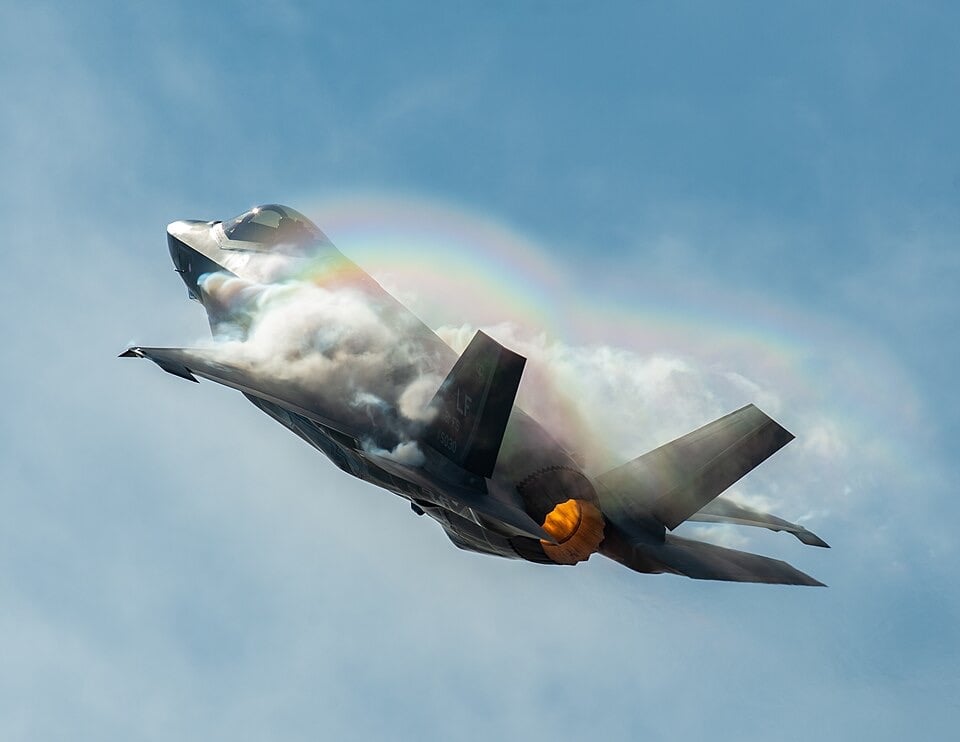
Iran’s response was immediate and defiant. The Iranian Revolutionary Guard Corps claimed it had shot down a US MQ-9 drone over the Persian Gulf and forced both a second advanced drone and an F-35 stealth fighter jet to flee Iranian airspace after coming under fire from the country’s air defences. The Daily Mail said it had contacted US Central Command and the Pentagon regarding the authenticity of those claims.
Tehran also accused Washington of a flagrant breach of an existing ceasefire agreement. Iran’s foreign ministry said the US had “committed a blatant violation of the ceasefire in the Hormozgan province over the past 48 hours,” warning that “the Islamic Republic of Iran will leave no act of aggression unanswered and will not hesitate in the slightest to defend Iran’s sovereignty.” The Revolutionary Guard separately warned that any further ceasefire violation by the US or its allies would result in “decisive” retaliation.
Despite the exchange of strikes and the sharply escalatory rhetoric, US Secretary of State Marco Rubio said a diplomatic deal remained within reach. President Trump has set out his own non-negotiable conditions, stating he would not sign any agreement unless Iran agreed to permanently abandon its pursuit of nuclear weapons and surrender its stockpile of highly enriched uranium — demands that remain far from the terms Tehran appears willing to accept.
The standoff represents one of the most dangerous flashpoints between Washington and Tehran in years, with both sides simultaneously engaged in negotiations and military action, and the strategic importance of the Strait of Hormuz — through which a significant proportion of the world’s oil supply passes — adding considerable global economic stakes to an already volatile confrontation.
