



A Nigerian man convicted of three attempted rapes and kidnapping has finally been deported from Britain after almost a decade of legal wrangling, following a Court of Appeal ruling that previous judgments blocking his removal had stretched human rights law too far and were based on speculation too remote to justify keeping him in the country.
The man, known only as OSB and granted anonymity by the immigration courts, had been fighting deportation since the Home Office issued a removal order in February 2017 — despite having had no legal right to be in Britain since his appeal rights were exhausted in January 2008. He had arrived in February 2000 using a forged passport.
OSB was convicted at Southwark Crown Court in September 2009 of three attempted rapes and kidnapping with intent to commit a sexual offence, carried out against lone women in the London area in March of that year. The sentencing judge described the attacks as “a terrifying affair” for the victims and said he would probably have imposed a life sentence had it not been for OSB’s mental illness. He was instead detained in hospital.
The attacks were carried out in rapid succession. In the first, a 16-year-old girl was dragged into an alleyway where OSB forced her to the ground and pulled down her clothing before a passer-by intervened. Two days later, he attacked a woman from behind on a street at night, attempting to pull down her clothing before she fought him off with a glass bottle. Just 20 minutes after that, he lifted a third woman off her feet and dragged her into an alleyway before she escaped screaming.
What followed his conviction was a prolonged legal battle involving multiple appeals, judicial reviews, fresh asylum claims and emergency legal interventions spanning nearly a decade. Lawyers for OSB argued that because of his diagnosis of chronic paranoid schizophrenia, deportation to Nigeria would risk inhuman or degrading treatment in breach of Article 3 of the European Convention on Human Rights — on the basis that he might stop taking medication, relapse, reoffend and end up imprisoned in Nigeria without access to psychiatric care. Both a first-tier immigration tribunal and an upper tribunal accepted that argument, with the first-tier judge ruling the scenario could lead to “a serious, rapid and irreversible decline” in OSB’s mental health.
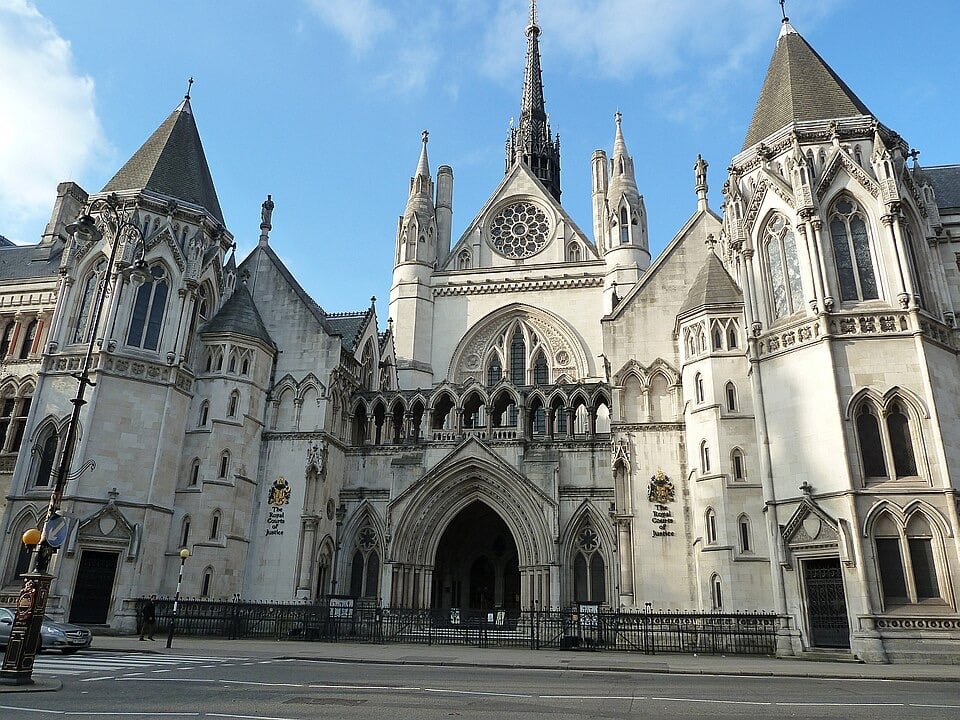
The Home Office appealed, arguing the reasoning was wildly speculative and stretched human rights law beyond acceptable limits. The Court of Appeal agreed. Lord Justice Bean, sitting with Lord Justice Singh and Lord Justice Baker, found the lower tribunals had built their judgments on “too many links in the chain” and had failed to properly apply Supreme Court guidelines on what constitutes “intense suffering” — a key legal threshold under Article 3. “This is in my view impermissibly speculative,” Lord Justice Bean said of the earlier ruling. “It is not a sequence of events for which the UK can sensibly be held responsible. The consequences which are said to breach Article 3 are too remote.”
In allowing the Home Secretary’s appeal, Lord Justice Bean was pointed in his conclusion: “Nearly ten years after that order was made, it is high time that it was put into effect.”
The case had continued despite mounting evidence of OSB’s ongoing danger to the public. Medical evidence showed he had repeatedly stopped taking medication, triggering dangerous relapses. In 2023, he was returned to secure hospital after allegedly producing a knife during an incident at supported accommodation. Mental health tribunals concluded he remained “a serious danger” to the public and was at risk of further violent offending.
A deportation attempt in 2019 had already failed when relatives physically prevented officers from taking him into custody, adding a further chapter to what the courts ultimately concluded was an impermissibly prolonged stay in a country OSB had entered illegally from the outset.
