



American inflation has surged to its highest level since early 2023, jumping to 4.2 per cent in May as the ongoing war with Iran continues to push energy costs higher and squeeze household budgets — with wage growth failing to keep pace and President Donald Trump’s latest threat against Tehran sending oil prices rising again on Wednesday.
The Bureau of Labor Statistics figures show inflation rising 0.5 percentage points from April to reach 4.2 per cent year-on-year in May — outstripping wage growth, which was tracking at just 3.4 per cent in the most recent jobs report, a pace that has slowed considerably since late last year when average hourly earnings were consistently growing at nearly 4 per cent. For millions of American workers, that gap means living standards are effectively falling in real terms.
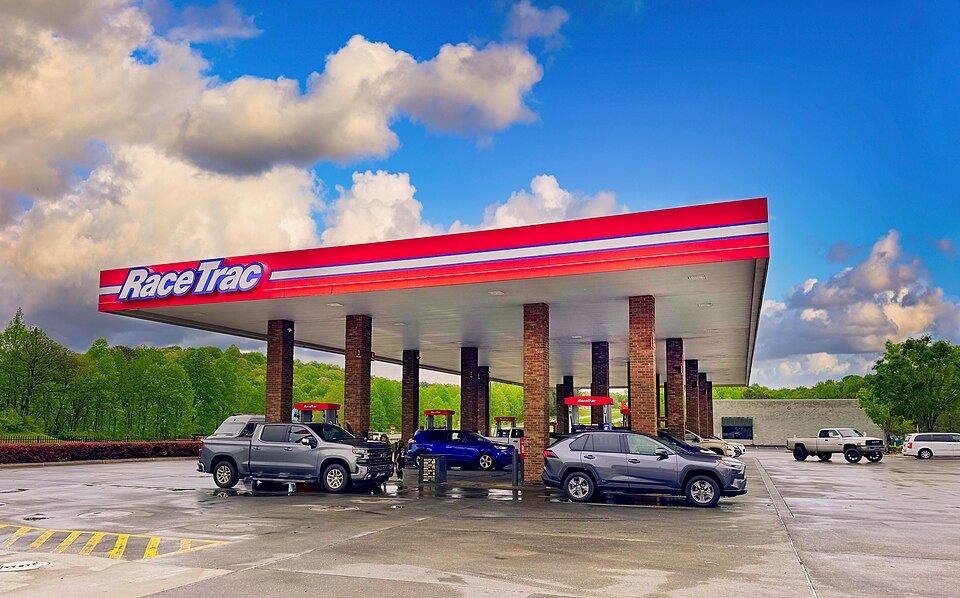
Energy is the dominant driver. The energy index rose 3.9 per cent in May, following a 3.8 per cent increase in April and a dramatic 10.9 per cent surge in March — the month after the United States and Israel launched strikes against Iran in late February. Since the war began, US crude oil prices have risen 35 per cent overall, with the benchmark briefly touching more than $115 per barrel in early April before pulling back. Retail petrol prices have fallen 41 cents from their peak, but Americans filling up at the pump are still paying approximately 40 per cent more on average than they did before the conflict began.
Core inflation — which strips out volatile food and energy prices and is closely watched by the Federal Reserve as a guide to underlying price pressures — came in at 2.9 per cent year-on-year, exactly in line with expectations, and rose just 0.2 per cent from the previous month. While that suggests underlying domestic inflation is more contained, the energy shock from the Iran war is proving stubborn and shows little sign of easing.
The prospect of further relief also dimmed sharply on Wednesday after Trump posted on social media that Iran had “not negotiated with him fast enough” and would now “pay the price” — a statement that sent oil prices jumping nearly 2 per cent, according to NBC News, as markets interpreted the remarks as a signal that the conflict could escalate further. Any renewed military action near the Strait of Hormuz — through which approximately 20 per cent of global oil trade passes — risks pushing energy prices back toward their April highs and adding further inflationary pressure in the months ahead.
