



The United States has doubled down on its hardline stance toward Iran’s World Cup squad, refusing to back down over strict visa conditions that bar Iranian officials from entering the country and require players to arrive and depart on the same day as their matches — amid an explosive diplomatic backdrop that saw Iran fire missiles at Israel on Sunday.
The US State Department denied entry to approximately 15 Iranian officials, including the head of the football federation, his deputy and a media director, while those permitted to enter for Iran’s three group stage matches face the extraordinary requirement of arriving and leaving American soil within a single day. In a statement, the State Department was blunt about its reasoning: “The visas necessary for Iran to compete in the World Cup, including for athletes and necessary support staff, have been issued. We will not allow the Iranian team to abuse this system to sneak terrorists into the United States under false pretences.”
The conditions have drawn widespread condemnation, with FIFA yet to comment despite multiple requests. Iran’s coach Amir Ghalenoei, speaking to reporters upon arriving at Tijuana airport in Mexico — where the team has been forced to relocate its training base following the outbreak of hostilities between the US and Iran — made no attempt to conceal his frustration. “We should have been here last week because a 12-hour time difference needs two weeks of adjusting,” he said. “Usually in these tournaments, before technical matters, ethical and human considerations must be respected — which I think for us it was not the case.” He added: “We are upset about this behaviour. It has certainly never happened before.”
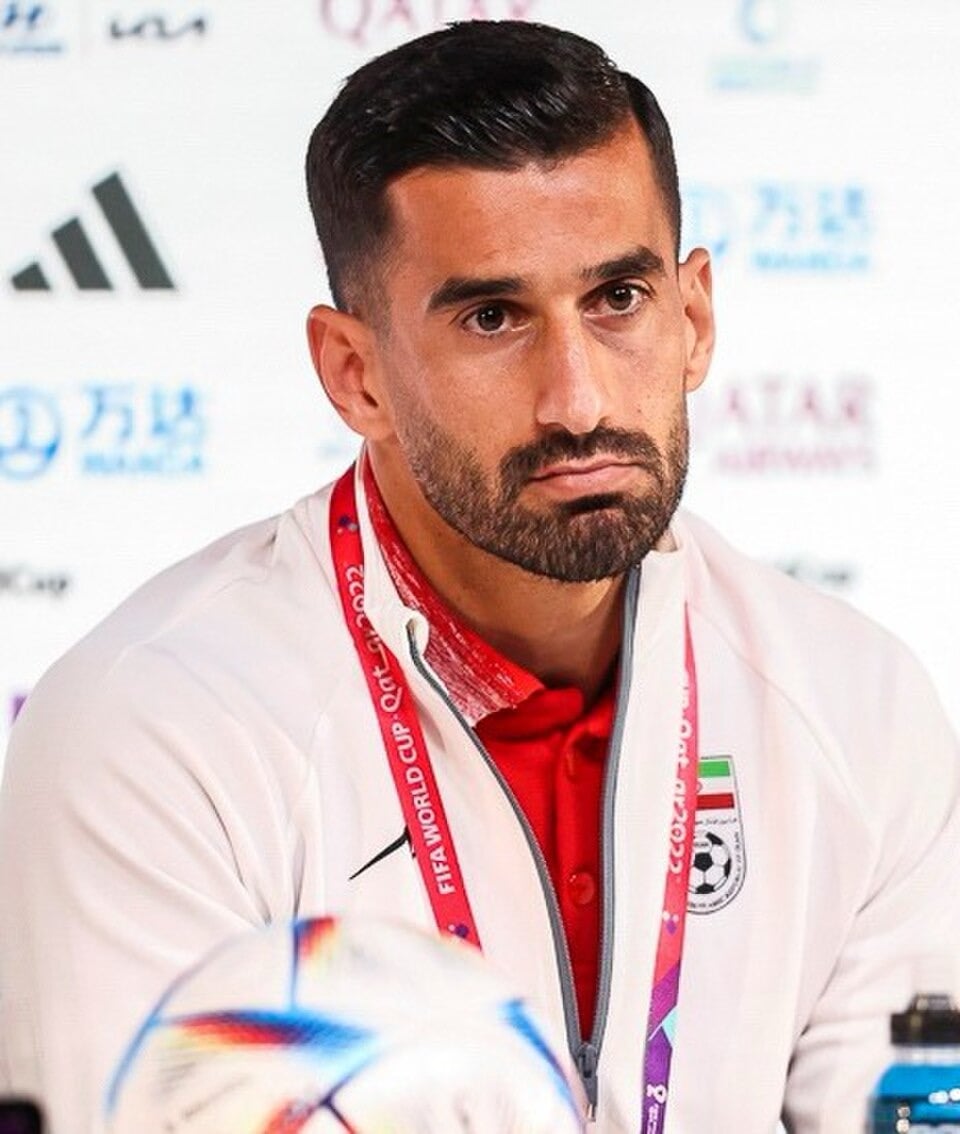
Iran captain Ehsan Hajsafi also demanded answers, questioning why visas had been issued so late. “Why so late? In the last year, we experienced two imposed wars in our country,” he said, adding that he intended to raise the matter directly with FIFA.
The practical consequences of the same-day travel requirement are significant. Iran are due to play twice in Los Angeles and once in Seattle, with their opening match against New Zealand on 15 June. Belgium and Egypt complete the group. The conditions would prevent the team from complying with FIFA’s own requirements, including the obligation to hold a press conference at the match venue the day before each game. The demand to travel in and out on match day also raises serious concerns about preparation, recovery and basic competitive fairness.
The situation is inseparable from the broader geopolitical crisis engulfing the region. Iran launched a barrage of missiles at Israel on Sunday in retaliation for Israeli strikes on Beirut, further inflaming tensions. President Trump called for calm, telling Fox News he was close to a peace deal that could be signed “Monday, Tuesday or Wednesday of this coming week.” He addressed Iran directly: “You’ve shot your missiles, that’s enough. Get back to the table and make a deal.”
Iran qualified for the World Cup in March 2025, close to a year before US and Israeli military operations against the country began. Should both Iran and the United States progress from their respective groups as runners-up, they could meet in the round of 32 — a prospect that would test every diplomatic nerve in the tournament’s host nation.
