



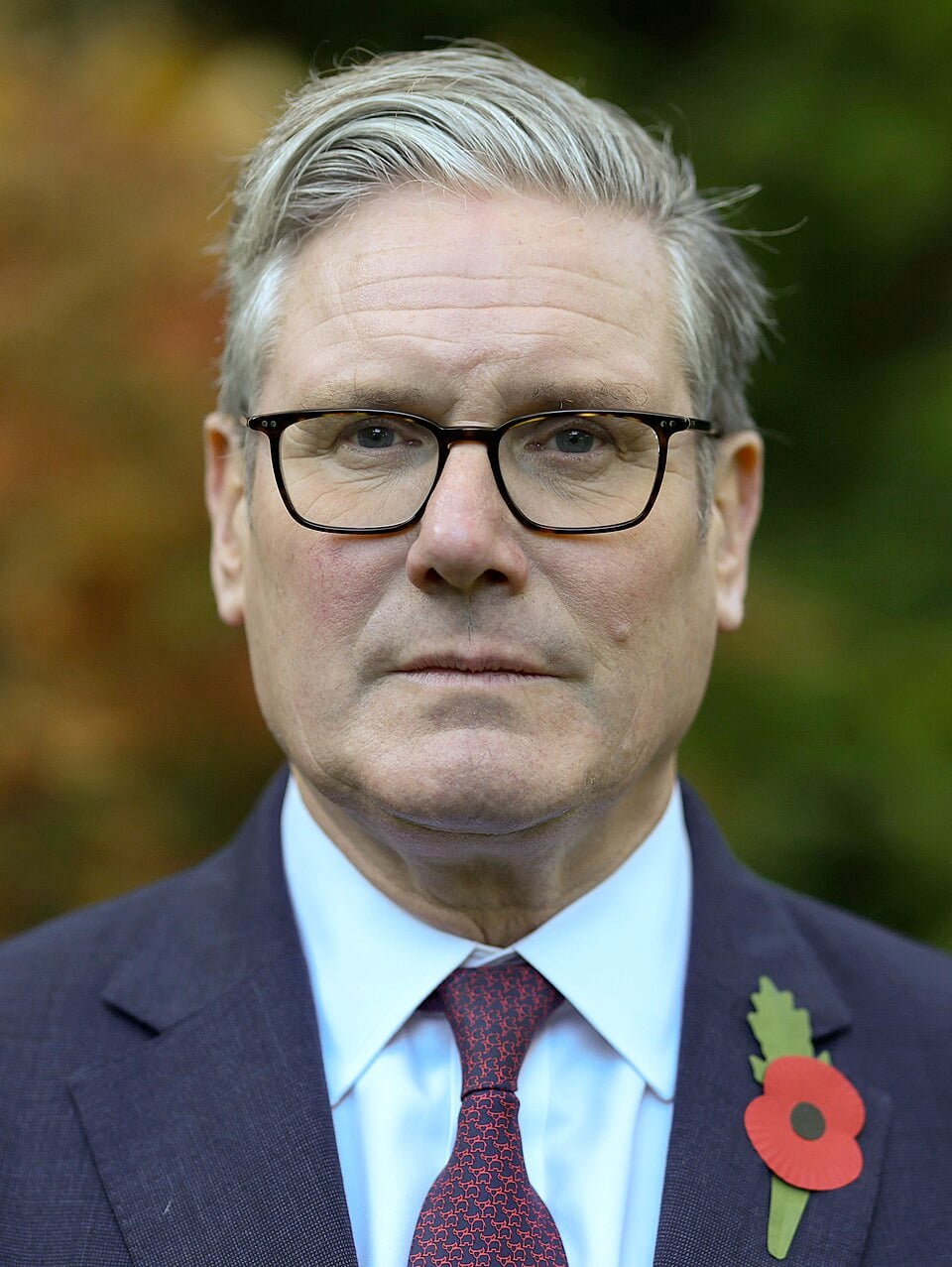
Sir Keir Starmer has defended Chancellor Rachel Reeves and the Treasury after John Healey’s unexpected resignation as Defence Secretary, with the Prime Minister insisting the government’s defence funding plan would deliver “the resources our military needs to keep us safe” amid a fierce row over whether enough money has been committed to protect Britain.
Healey quit the frontbench on Tuesday afternoon, hours ahead of the publication of the Defence Investment Plan, in a resignation letter that took direct aim at the Treasury. He wrote that “the excellent and extensive cross-government work that completed in January — overseen by you, me and the Chancellor — confirmed the scale of the challenge and the rising demands on defence,” before explicitly accusing the Treasury of failing to “commit the resources the nation needs to defend the country at this time of rising threats.”
Responding on Tuesday evening, Starmer said: “The increases in spending that underpin this plan will be sustainable and fair. They will mean significant reallocations of funding from across Government departments and the right choices to protect our nation. Strong public finances are part of what keeps us safe — irresponsible borrowing only puts that at risk.” He added that he was “sorry” to see the Labour veteran resign.
The Treasury hit back firmly at Healey’s criticism. A Treasury source told GB News: “The Chancellor will always do what is right and needed to keep this country safe. You can see that from her actions — a record uplift in defence spending at the spending review, and then working alongside the PM to deliver billions more to fund the Defence Investment Plan in full.”
Healey’s departure is a significant blow for Starmer, coming just over a week after Health Secretary Wes Streeting resigned and amid a wider crisis that has seen more than 95 Labour MPs call on the Prime Minister to resign or set out a departure timetable since early May, alongside the resignations of four junior ministers and four ministerial aides. Healey, the MP for Rawmarsh and Conisbrough, had served as Defence Secretary since July 2024 and was widely regarded as one of the most experienced and steady figures in Starmer’s Cabinet, having previously held the role in opposition from 2020.
The dispute centres on the Strategic Defence Review unveiled by the government on 2 June, which committed Britain to the largest increase in defence spending since the end of the Cold War, including the creation of up to 12 new attack submarines and £15 billion for the nuclear warhead programme, alongside a rise in defence spending to 2.5 per cent of GDP from April 2027. Healey told the Commons at the time that the review represented “the first of its kind,” incorporating thousands of submissions from experts and MPs, and that the UK was entering “a new era of threat, which demands a new era for UK defence.” His resignation suggests that, in his view, the funding ultimately allocated in the Defence Investment Plan has fallen short of what that review identified as necessary.
The row also lands amid renewed scrutiny of Reeves’s position. Starmer has previously faced questions in the Commons over whether the Chancellor would remain in post, after a difficult period in which the government was forced to reverse welfare spending plans and abandon changes to winter fuel payments following backbench rebellions — reversals that have placed additional strain on the public finances Reeves is responsible for managing.
With defence policy now at the centre of an open Cabinet rift, and Starmer’s authority already under sustained pressure from within his own party, the question of how the Defence Investment Plan is ultimately funded — and who takes responsibility if it falls short — looks set to dominate Westminster in the days ahead.
