



Cracks have emerged in the newly announced peace deal between the United States and Iran, after Israel declared it would not withdraw its forces from southern Lebanon, insisting the agreement “does not bind us in any way” — just a day after Washington announced the breakthrough aimed at ending more than three months of conflict.
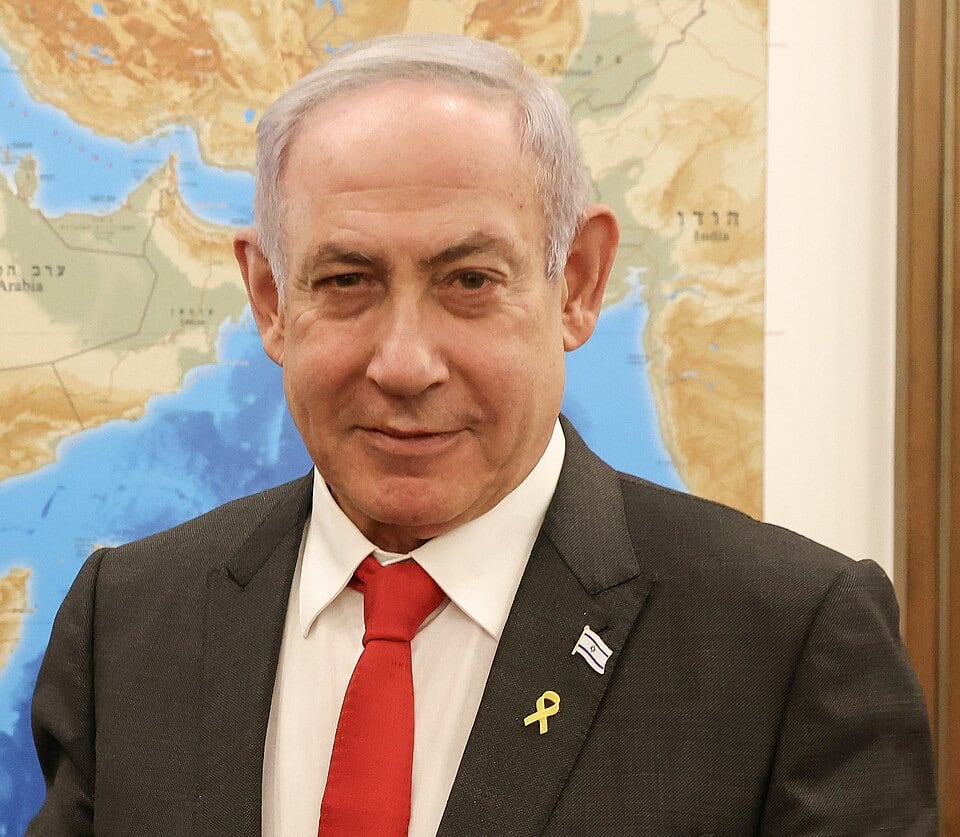
The dispute centres on two key issues: the status of Israeli troops in Lebanon, and the question of free passage through the Strait of Hormuz. Lebanon has remained one of the most contentious elements of the negotiations, with Israel and Iran-backed Hezbollah continuing to exchange fire despite US calls for a ceasefire. While Hezbollah welcomed the US-Iran memorandum of understanding, expected to be signed on Friday, Israeli Prime Minister Benjamin Netanyahu insisted his country’s troops would remain in Lebanon “as long as necessary.”
Speaking at a press conference, Netanyahu said Israel needed to retain freedom of action to prevent attacks originating from Lebanon. “We have created a buffer zone, a security zone,” he said. “We’ll remain there as long as necessary. I stood firm on this point. I was truly adamant about this and I think our American friends respected this.” A US official confirmed that Israel’s withdrawal from Lebanon had been excluded from the terms of the US-Iran deal, adding: “The deal is a ceasefire, and it will not be a one-way ceasefire, meaning if Iran is not able to control Hezbollah, and if they attack Israeli positions or towns, Israel will have the right to defend itself and respond.” Iran’s foreign minister, Abbas Araghchi, took a different position in a call with Lebanese President Joseph Aoun, stressing that Lebanon’s “sovereignty” must be respected.
Netanyahu also acknowledged tension with Washington, saying he did not always “see eye to eye” with President Trump, a day after reports emerged that Trump had reprimanded him during an expletive-laden phone call over Israeli strikes on Beirut. Despite this, Netanyahu credited the joint US-Israeli campaign against Iran with averting what he described as the danger of “nuclear destruction,” declaring that Iran would not obtain a nuclear weapon. “Our struggle has not yet ended,” he said.
Within Netanyahu’s own government, the deal has faced fierce criticism. National security minister Itamar Ben-Gvir dismissed the agreement entirely, saying it failed to guarantee Israel’s security and “does not bind us in any way.” He argued that Israel should accept nothing short of “the dismantling of Hezbollah” and called for continued military action against the group. Defence minister Israel Katz indicated that Israel would resist any pressure to withdraw from areas it currently holds in southern Lebanon.
Pakistan, which has acted as mediator throughout the talks, said the agreement included “the immediate and permanent termination of military operations on all fronts, including in Lebanon.”
The second major flashpoint concerns the Strait of Hormuz, a passage through which around a fifth of the world’s oil and gas supply travels, and which has been effectively closed since US-Israeli strikes on Iran in February sent shockwaves through global energy markets. Ships have reportedly begun passing through the strait again, after Trump said the route would reopen as part of the deal with Tehran. However, conflicting accounts have emerged over whether vessels will be required to pay to use the corridor. Iranian sources have suggested Tehran intends to introduce charges for ships using the strait, a move that would represent a significant concession on Trump’s part and directly contradicts his earlier claim that the route would be “permanently toll-free.” Vice-President JD Vance pushed back on this, insisting the US expected the strait to remain free of charges. “Our expectation is that the strait is going to be opened in a toll-free way for the long term,” he said, while acknowledging that “a lot” of details still needed to be resolved through further technical negotiations, and claiming the US held “all the cards” in the talks.
After initially saying the strait would reopen on Friday, Trump appeared to declare it open for business a day later, posting on social media that ships “many loaded up with oil” had begun passing through the strait’s southern shipping lane.
The agreement itself reportedly came together following last-minute concessions made to finalise the deal on Sunday, Trump’s 80th birthday. Those changes were said to have followed Israeli strikes on Beirut that morning, which breached an existing ceasefire and drew criticism from both Tehran and Washington.
