



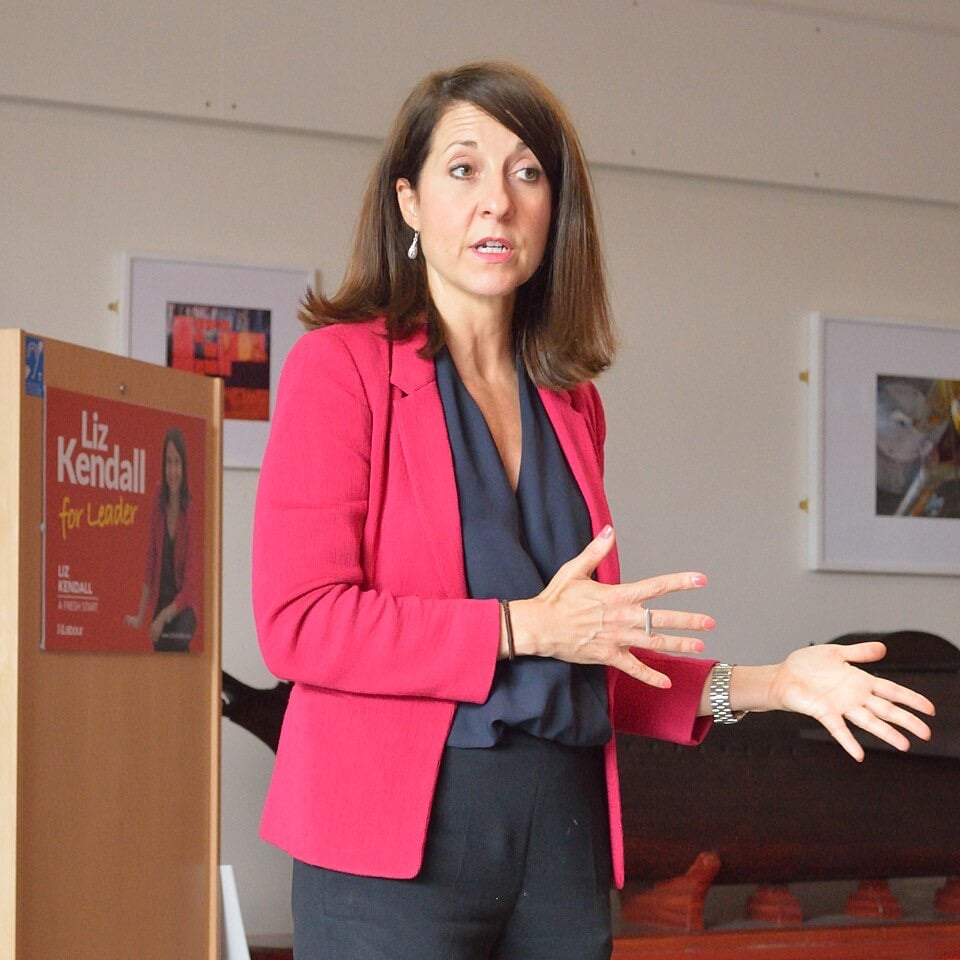
The Government is to introduce new powers requiring social media platforms to take down illegal content more rapidly during periods of civil unrest, Technology Secretary Liz Kendall has announced — with the Belfast riots serving as the immediate backdrop for legislation that critics warn could be used to suppress legitimate debate about immigration and policing.
Kendall announced via X that an update to the Online Safety Act will be laid before Parliament next week, compelling platforms to act faster in removing content that incites violence during “times of crisis.” Ofcom, which regulates the existing Act, has already issued warnings to platforms including X about compliance and crisis-response obligations. “Those who use social media to incite violence and disorder are breaking the law,” Kendall said. “Next week we will lay in Parliament an update to the Online Safety Act requiring services to take quicker action to remove illegal content circulating during times of crisis.”
The announcement was prompted directly by the disorder that swept Belfast following the stabbing of NHS radiographer Stephen Ogilvie, who lost his left eye in an alleged unprovoked attack by Sudanese asylum seeker Hadi Alodid on 8 June. The attack triggered two nights of serious rioting in which masked men set fire to homes, cars, a bus and a supermarket, with the violence spreading to Glasgow, Edinburgh and Southampton. Alodid has been charged with attempted murder and remanded in custody.
Supporters of the measure argue platforms have consistently been too slow to remove content that accelerates disorder during fast-moving crises, and that faster takedowns could prevent riots from escalating and prevent hatred from spreading unchecked. The Government has framed the update as a targeted and proportionate tweak to existing law rather than a sweeping new power.
Critics are less convinced. Responses to Kendall’s post and wider commentary have raised concerns that “illegal content” and “crisis” are definitions that will ultimately be set by the Government and Ofcom — raising the prospect that discussion of immigration policy, asylum system failures or specific incidents could be categorised as incitement. Many point out that the underlying anger driving the disorder stems from public concern about rapid asylum inflows, perceived two-tier policing and integration failures, and that accelerating the removal of online conversation about those issues treats a symptom while leaving the cause untouched. Past UK incidents have generated arrests for social media posts that were subsequently debated as examples of overreach, and civil liberties groups argue this update could have a chilling effect on journalism and legitimate public debate.
The proposal heads to Parliament next week. How the terms “illegal content” and “crisis” are interpreted in practice is likely to determine whether the powers are seen as a proportionate tool against incitement or as an instrument for managing politically inconvenient discourse.
