



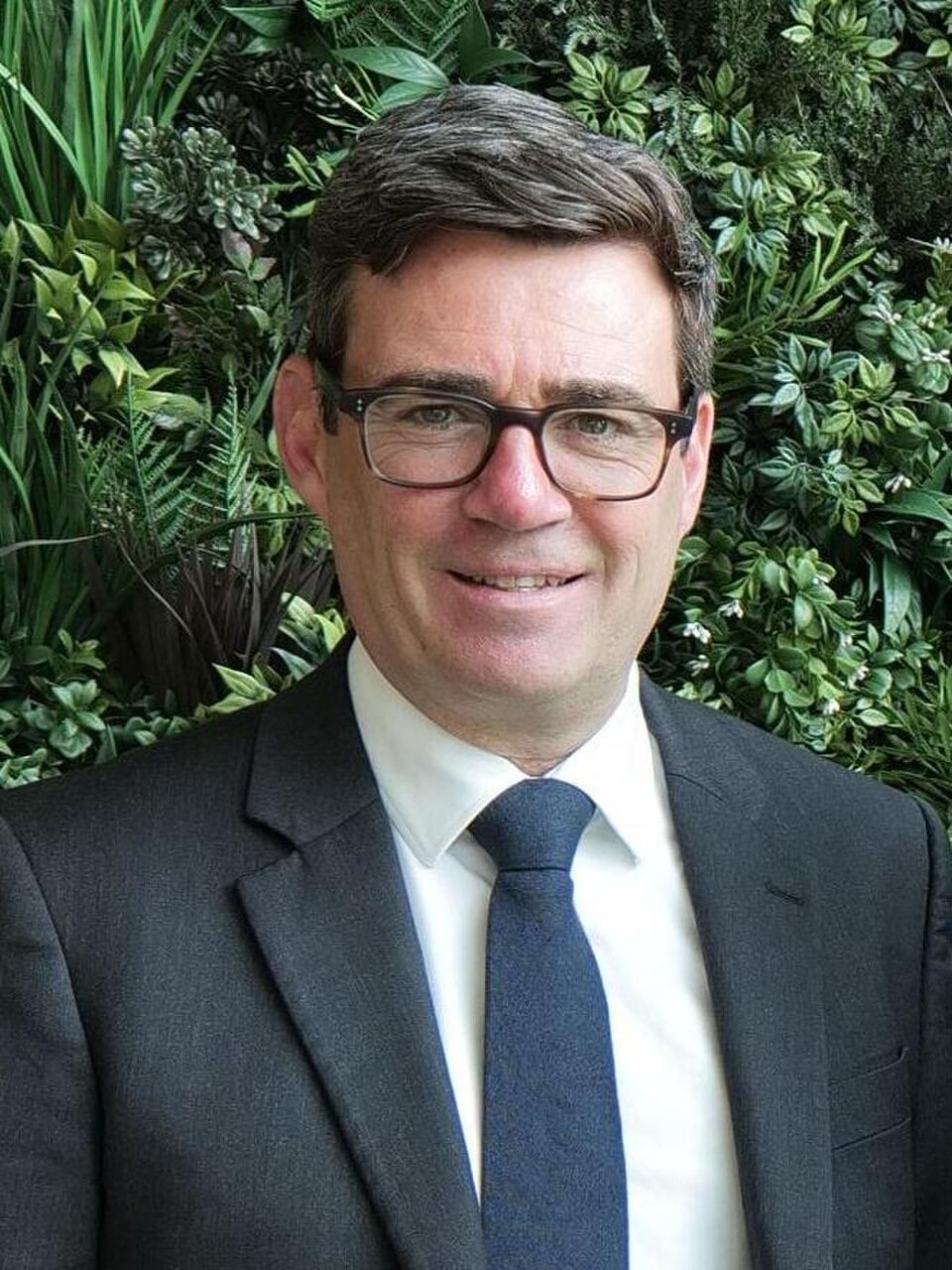
Andy Burnham is on course to become Britain’s next Prime Minister without a contest after Wes Streeting dramatically withdrew from the Labour leadership race and threw his full weight behind the former Greater Manchester mayor, hours after Sir Keir Starmer’s emotional resignation outside Downing Street.
Streeting, the former Health Secretary, said he had “spoken at length with Andy in recent days” and was convinced he “is committed to building an inclusive party that draws on the best of our political traditions and that he can win the fight of our lives against the force of nationalism.” Calling for a coronation rather than a summer-long contest, he added: “We could spend the summer exaggerating small differences, or we can roll up our sleeves and help him to deliver the change our party and our country needs. That is the choice that I am making and I hope that everyone else will back Andy too.” Streeting had previously claimed he could secure the 81 nominations from Labour MPs needed to force a full contest, but it is now far from clear any rival candidate will reach that threshold.
Burnham, who was heading to Westminster to be officially sworn in as an MP following his landslide victory in the Makerfield by-election last week, responded cautiously. “Keir has given huge service to our country and I want to thank him for his leadership and dedication during such a challenging period,” he said. “His decision marks the beginning of a transition and it is important that this process is conducted in an orderly and responsible way. I will put myself forward as part of this process. The country expects stability, seriousness and a continued focus on the issues that matter most and that is what it will get.”
He was less forthcoming when pressed on whether he would call a snap general election, despite having previously argued that Conservative Prime Ministers who replaced predecessors without going to the country should face an immediate public vote. Asked whether he would stand by that commitment, Burnham said only: “You’re jumping several hurdles ahead there.”
Starmer’s resignation, announced in an emotional speech outside the famous black door of Number 10, came after a weekend at Chequers spent in discussions with his wife Victoria and close aides. He spoke to the King, who was at his Highgrove residence, by telephone before stepping out to address the country. Victoria and the couple’s son were among those watching from the street alongside close colleagues as he made the announcement. Anti-Brexit protester Steve Bray could be heard playing the EU anthem Ode to Joy through speakers nearby.
In his speech, Starmer spoke at length about Labour’s achievements since winning power in a landslide two years ago, citing a growing economy outpacing its peers, wages rising faster than inflation, NHS waiting lists falling at their fastest rate in 17 years, the biggest improvement in workers’ and renters’ rights in a generation, a major uplift in defence spending and half a million children lifted out of poverty. His voice cracking with emotion, he paid particular tribute to his wife. “When I leave the biggest job in the country, I shall spend more time on the most important job, being the best husband I can to my fantastic wife, Vic, who has been a rock by my side through good times and bad, and being the best dad I can to my beautiful children, who are my pride and my joy.”
However, many of his claimed achievements drew scepticism in Westminster. Economic growth has been largely anaemic, inflation has remained higher than hoped, and taxes are rising to record levels. Defence Secretary John Healey quit earlier this month, accusing Starmer and Chancellor Rachel Reeves of failing to protect the country. Critics also noted that progress on small boat Channel crossings has been limited, while record high numbers of arrivals were recorded as recently as this week.
Starmer acknowledged the fundamental reason for his departure without dwelling on it. “I know the question being asked now is not who is best placed to change the Labour Party,” he said. “The question my party is asking now is whether I am best placed to lead us into the next general election. I accept that answer with good grace. That is why I will resign as leader of the Labour Party.”
Under the timetable announced, nominations for the leadership will open on 9 July and close on 16 July, before the summer parliamentary recess. If Burnham is the only candidate to secure sufficient nominations, a new leader could be in place by mid-July. If a contest is required, a new leader will be announced before Parliament returns in September. Starmer’s departure would make him Britain’s seventh Prime Minister in a decade.
Jockeying over the composition of a future Burnham Cabinet is already under way. Rachel Reeves remaining as Chancellor is reported to have been effectively ruled out despite lobbying on her behalf, with concern in Labour circles about Ed Miliband potentially getting the role, whose views some describe as “Soviet.” Yvette Cooper is seen as a candidate to be moved from the Foreign Office, while Angela Rayner is tipped for a senior post and former Cabinet minister Louise Haigh, who helped run the Makerfield campaign, is expected to make a return. Nigel Farage and a number of Labour MPs have already joined calls for a general election to accompany the change at the top.
