



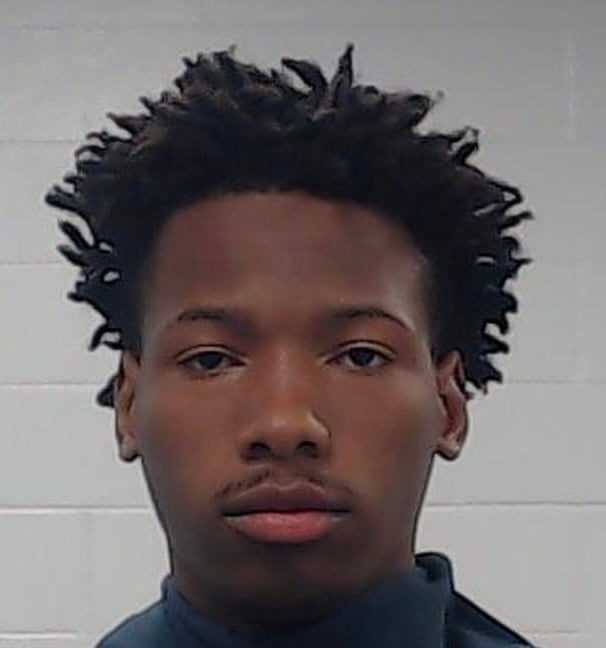
The murder trial of Karmelo Anthony, the 19-year-old accused of fatally stabbing a teenage football star at a Texas track meet, has begun with no black jurors on the panel — after defence attorneys raised a legal objection claiming the final three black prospective jurors were removed by prosecutors because of their race.
The 12-person jury and six alternates were selected from a pool of approximately 500 prospective jurors questioned over several days, with District Judge John Roach Jr ultimately siding with the prosecution when the defence challenged the removals. Prosecutors argued the three individuals were struck not because of race but because of their occupation — all three were educators. Under US law, prosecutors are required to provide race-neutral reasons for removing a potential juror, and it falls to the judge to rule on whether the removal is lawful. Judge Roach accepted the prosecution’s explanation and allowed the strikes to stand.
The jury composition is likely to add further fuel to a case that has already drawn intense national attention over questions of race and privilege. Earlier in the selection process, one potential juror identified as black by the prosecution told the court he would “have a hard time putting a brother in jail” — a statement that contributed to the charged atmosphere surrounding jury selection.
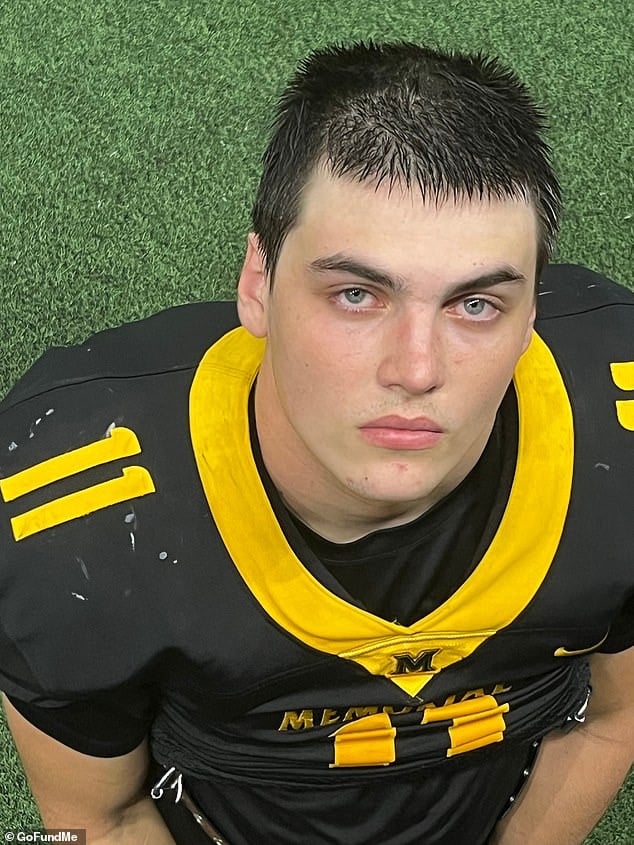
Anthony, then 18, stabbed 17-year-old Austin Metcalf with a pocket knife at a track and field meet at Centennial High School in Frisco, Texas, in April 2025, following a heated argument between the two student athletes over seating. Anthony has claimed he acted in self-defence. Metcalf, described as a promising football player, died shortly after being stabbed, with his twin brother Hunter holding him in his arms as he bled out — Hunter is expected to testify at the trial.
The case has become a flashpoint in American debates about race and the justice system, with significant numbers of supporters rallying behind Anthony and arguing he has been treated unfairly because of his race. The trial is expected to last around two weeks, with at least 35 witnesses set to testify, including student athletes, coaches and other witnesses to the events of that day.
Opening statements began on Thursday morning.
