



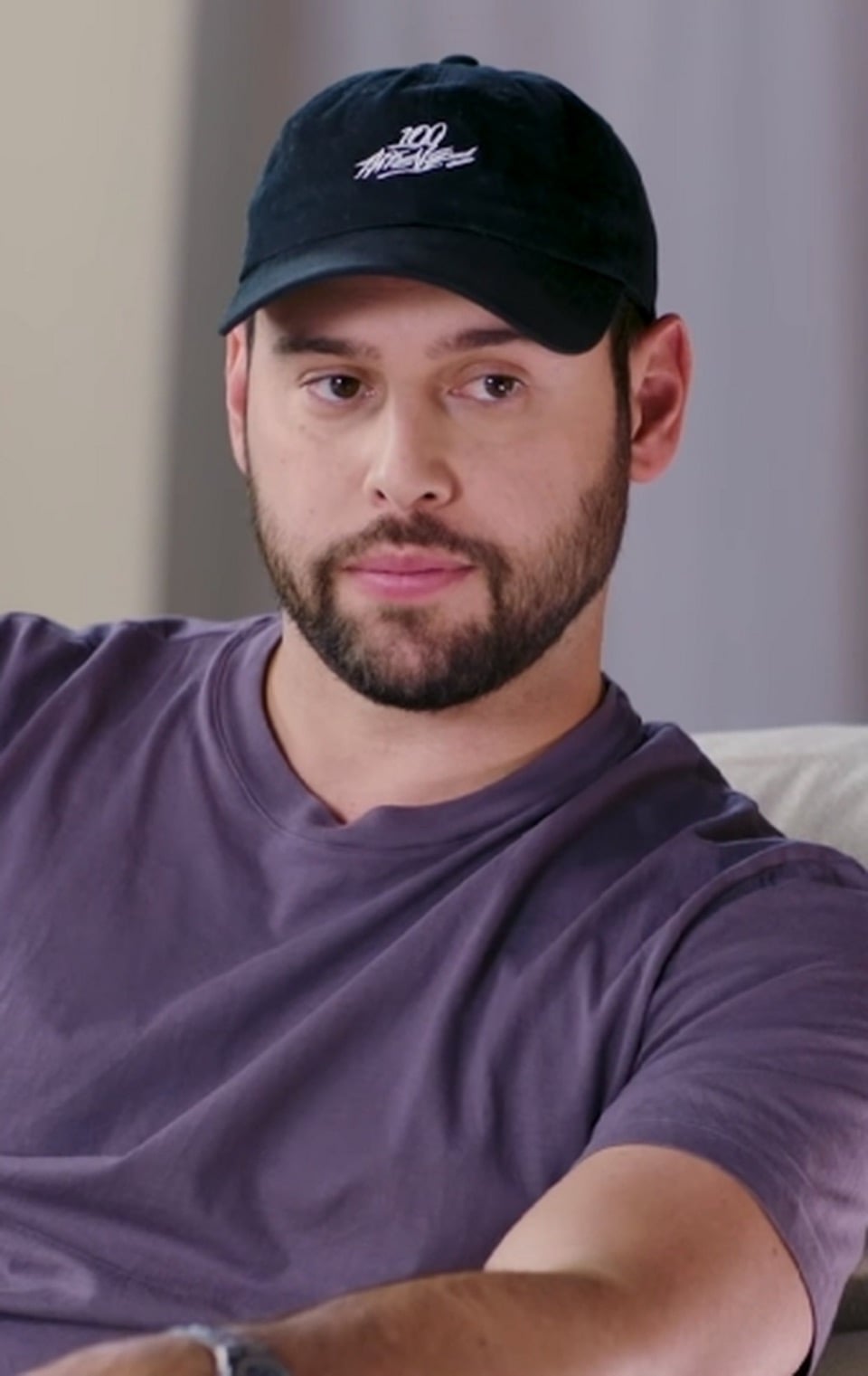
Scooter Braun has made a striking admission about his infamous dispute with Taylor Swift, revealing that he barely knew the singer and had only spoken to her once — despite the controversy over his purchase of her master recordings consuming both of their public images for years.
The 44-year-old music mogul addressed the saga during an appearance on the Second Thought With Suzy Weiss podcast on Thursday, saying he found it confusing to this day that the episode had become such a defining part of his public life. “There’s this big misconception that we knew each other and we had this feud and I managed her for years,” he said. “People are usually shocked to find out that I legitimately don’t know her and didn’t have many interactions with her and never really knew her.”
Braun said he believed he had met Swift three times in total, had never had a substantial conversation with her and had spoken to her directly only once, briefly. He recalled being invited to a party she hosted at which they both expressed “utmost respect” for each other. He added that in the three years before his company purchased Big Machine Records, the two had no contact whatsoever. “I will never truly understand that situation,” he said. “To this day, I wish her nothing but the best.”
The dispute originated in 2019 when Braun’s company acquired Big Machine Records — and with it the master recordings to Swift’s first six albums — for $300 million, a deal she said she had been given no warning of. Swift had previously attempted to buy her masters directly from Big Machine label head Scott Borchetta, but she claimed he would only sell them to her one album at a time, in exchange for recording a new album for the label — a condition she described as deliberately designed to keep her tied to Big Machine. When Braun completed the purchase, she called him a “bully” and described the acquisition as the product of “incessant, manipulative bullying,” linking him publicly to a separate dispute involving his then-clients Kanye West and Kim Kardashian.
Braun subsequently sold the masters to private equity firm Shamrock Capital in November 2020. Last May, Swift announced she had bought them back for approximately $360 million, funding the purchase from the extraordinary revenues generated by her Eras tour. In a handwritten letter published on her website, she wrote: “All I’ve ever wanted was the opportunity to work hard enough to be able to one day purchase my music outright with no strings attached, no partnership, with full autonomy.” She thanked Shamrock Capital for handling the deal in an “honest, fair and respectful” way, describing the recordings as “my memories and my sweat and my handwriting and my decades of dreams.”
Sources previously claimed Braun had played a role in facilitating the buyback deal in a bid to rehabilitate his reputation in the wake of the fallout. Sources close to the negotiations told the Daily Mail he played no part at all.
In the podcast, Braun acknowledged that whatever the circumstances, the controversy had left a lasting mark on the music industry itself. “What it did bring to light is that artists are going to start wanting to own their masters,” he said, describing the shift as a positive development. “You’re seeing artists more and more do that, and I think that’s great.”
Swift has been re-recording her first six albums since the dispute, having completed four of the so-called Taylor’s Versions. She confirmed in her open letter that she has also re-recorded her self-titled debut album in full, and teased that Reputation — the one record she had previously said she felt “couldn’t be improved upon” — may yet receive its own version, along with previously unreleased vault tracks.
