



A prominent Ukrainian economist has proposed bringing in up to 450,000 low-skilled migrant workers every year to plug a massive labour shortage that could cripple the country’s post-war reconstruction — as Ukraine grapples with one of the most severe demographic crises in modern European history.
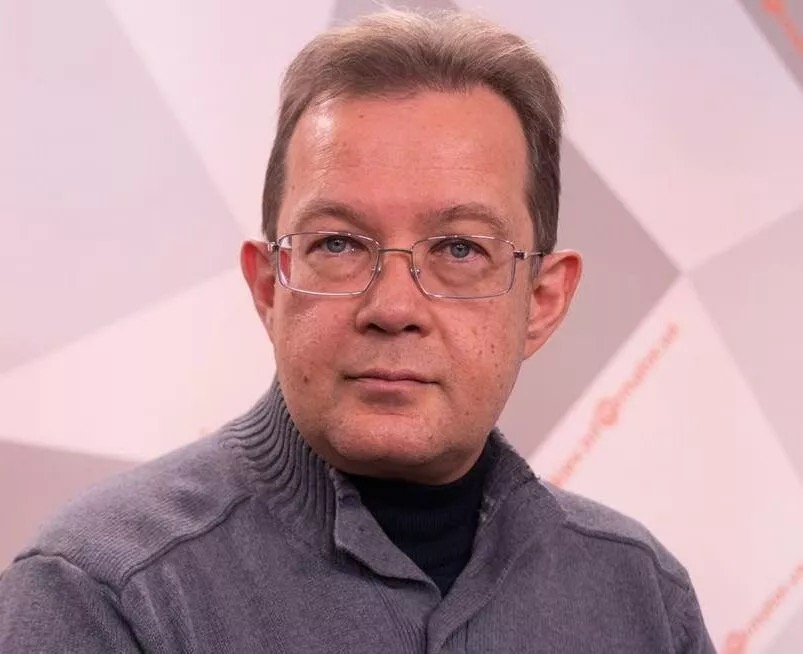
Oleg Pendzyn, executive director of Ukraine’s independent Economic Discussion Club and a regular media commentator on economic policy, has argued that the country faces a shortfall of 4.5 million workers needed to return the economy to pre-war levels. To address it, he has suggested attracting hundreds of thousands of migrant workers annually from Southeast Asia — including the Philippines, Vietnam and Bangladesh — as well as from the Middle East, focusing on sectors including construction, agriculture and industry.
The 4.5 million figure itself is not in dispute. Ukraine’s own Ministry of Economy has cited the same number as the additional workforce required over the next decade to sustain annual GDP growth of around 7 per cent and fund the country’s reconstruction. Some Ukrainian companies are already recruiting abroad on an ad hoc basis, with small numbers of Bangladeshi workers reported in the Zakarpattia woodworking sector.
However, the Ministry has made clear that mass migration is not its preferred solution. Its stated priorities remain encouraging the voluntary return of the more than six million Ukrainians who have fled abroad since 2022, retraining local workers, drawing more women and older workers into male-dominated sectors and reforming labour laws to make hiring more flexible. There is currently no announced government programme for large-scale annual migrant quotas.
The scale of the demographic crisis driving the debate is stark. More than 500,000 military and civilian deaths have been estimated since the Russian invasion in February 2022. Millions of working-age adults remain abroad. Conscription has pulled hundreds of thousands of men out of the civilian economy. Birth rates have halved. Even before the war, Ukraine faced serious challenges from an ageing population and low fertility — the invasion has dramatically accelerated every one of those trends.
The proposal has divided opinion inside Ukraine. Those who support it argue that without a sufficient workforce, reconstruction will stall, economic growth will remain suppressed and Ukraine’s ability to sustain its war effort will be undermined. Critics raise concerns about the pace of cultural change, integration challenges, security screening and the optics of importing foreign labour while Ukrainian men remain under military obligation.
Pendzyn’s suggestion remains an independent economic proposal rather than government policy, but it has sparked a live public debate about the kind of country Ukraine will be when — and if — the war ends.
