



A gang in Bhopal, India, allegedly murdered and mutilated a teenage market vendor after being misled by a social media video falsely claiming human testicles could be sold on the black market for huge sums, in a case police say has so far shown no evidence of an organised international organ-trafficking network.
A gang in Bhopal, India, allegedly stabbed a teenage market vendor to death and removed his testicles in a bid to sell them for around £192,465 on the black market, police have said. Rehan, reported by some sources to be 16 and by others as 17, was allegedly lured to a secluded area near Lower Lake before being ambushed and stabbed repeatedly. Police say the alleged plot was inspired by a social media video making false claims about the financial value of human reproductive organs, and investigators have found no evidence to date of an organised international network behind the killing.
How the attack allegedly unfolded
According to police, the plot began on 6 August, when two children approached Rehan at his market stall in Bhopal and offered him 77p to help with an alleged fight near Khatlapura, on the shore of Lower Lake. Once he had been lured to the secluded location, four suspects allegedly attacked him from behind and stabbed him repeatedly with a blade.
Ayush Gupta, deputy commissioner of police in Bhopal, said the group’s alleged ringleader, Zoheb Khan, guided the other suspects through the killing while remaining on a video call rather than being present at the scene himself. Following the attack, Rehan’s testicles were reportedly kept on ice for two days while the group attempted to find a buyer. When that effort failed, Khan allegedly instructed the group to dispose of the organs in separate lakes.
Rehan’s body was recovered from Lower Lake, near Dhobi Ghat, on 10 August. He was identified by a tattoo, after his mother had earlier reported him missing. A post-mortem examination confirmed fatal injuries and established that his testicles had been removed. Police have recovered the knife they believe was used in the killing and have deployed divers to search the surrounding waters for the missing organs.
Santosh Patel, Bhopal’s assistant commissioner of police, said the search for the remains would likely prove difficult, with officers relying on the suspects to give an accurate account of where the organs had been dumped. Investigators are also questioning individuals the gang is alleged to have approached as potential buyers, in an effort to establish whether any sale had genuinely been planned.
Who has been arrested
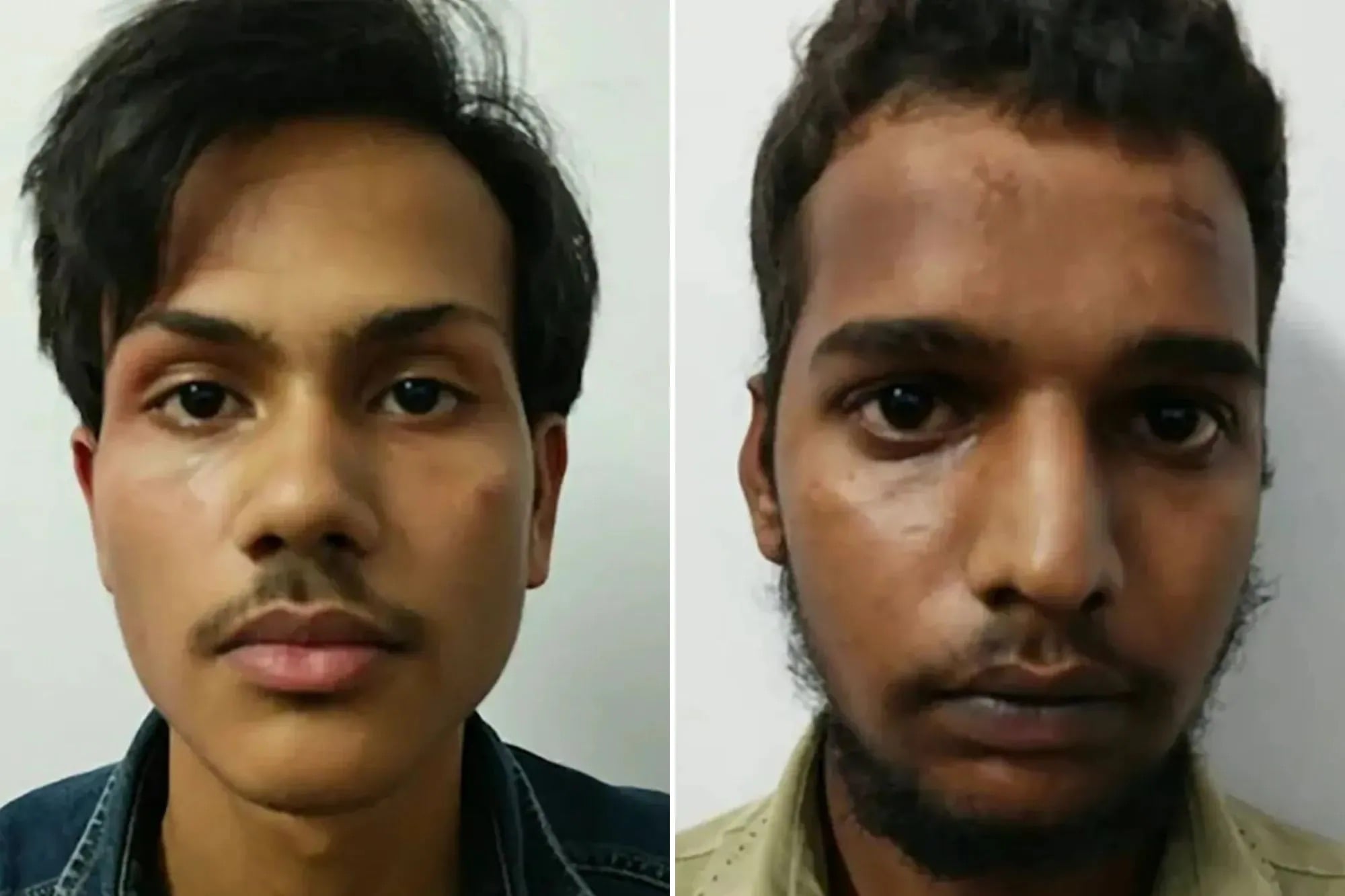
Police have arrested Zoheb Khan, a 20-year-old second-year business administration student, along with 18-year-old Aamir Qureshi, and have detained three further individuals who are minors. According to investigators, Khan recruited the group and convinced them that human testicles could be sold on the illicit market in the Gulf for substantial sums. To lend credibility to his claims, Khan reportedly posed as a doctor, buying a white apron, stethoscope and thermometer online, which he used while instructing the group, despite having no genuine medical training.
Because three of those detained are minors, they are being dealt with through India’s juvenile justice system rather than the standard adult criminal process.
No evidence of an organised network
A significant finding to emerge from the investigation is that police have so far found no evidence of an organised international organ-trafficking operation behind the alleged plot. Investigators are instead examining whether the suspects acted purely on the basis of false information encountered online, having been unable to establish that a genuine buyer for the organs ever existed. The substantial payment the group reportedly believed they would receive appears, at this stage, to have been based on misinformation rather than any verified black-market transaction.
Investigators reportedly consulted a medical expert during the inquiry, who found no scientific or medical basis for the social media claim that human testicles could be sold for the sums allegedly promised to the suspects. Police say the plot appears to have developed over the course of around a month, after the suspects watched a social media video making the false claims, and that the group may have originally intended to target boys aged around 15 or 16, in line with an age range reportedly referenced in the video itself.
A possible earlier attempt
Police believe the attack on Rehan may not have been the gang’s first attempt of this kind. Investigators have reportedly established that, three days before Rehan was killed, the group allegedly targeted a separate 15-year-old boy, taking him to an area near Shahjahan Park, where he was allegedly attacked, strangled and cut with a blade. That teenager reportedly regained consciousness and managed to escape, and a separate attempted murder case has since been registered in connection with the incident.
How the case was solved
Police have said the investigation began as what is described in India as a “blind murder case,” meaning officers initially had no immediate suspects. Rehan’s identification through his tattoo proved crucial in allowing investigators to establish his identity and reconstruct his movements in the hours before his death, tracing his path through several areas of Bhopal before he reached the isolated location where he was allegedly killed. The case was ultimately solved following an 11-day police investigation, which led officers to the two adult suspects and the three minors now in custody.
Police say they are continuing to investigate the origin of the social media video believed to have inspired the crime, including whether the suspects encountered an existing piece of content or whether other individuals were involved in spreading the false claims more widely. The case has also raised broader questions about whether social media platforms could do more to identify and remove content promoting false claims about the supposed black-market value of human organs or body parts.
A previous case involving organ trafficking claims
The case follows a separate, unrelated incident last year involving a Belarusian woman, Vera Kravtsova, 26, who was allegedly killed after being trafficked following what she believed was a modelling job offer. According to reports, she was later forced to live in Myanmar, where she was reportedly held by wealthy men, before her family was informed weeks later that she had died. Russian media outlet SHOT reported that “a little later, unknown individuals contacted her family, informing them that she had been sold for her organs and her body had been cremated.”
