



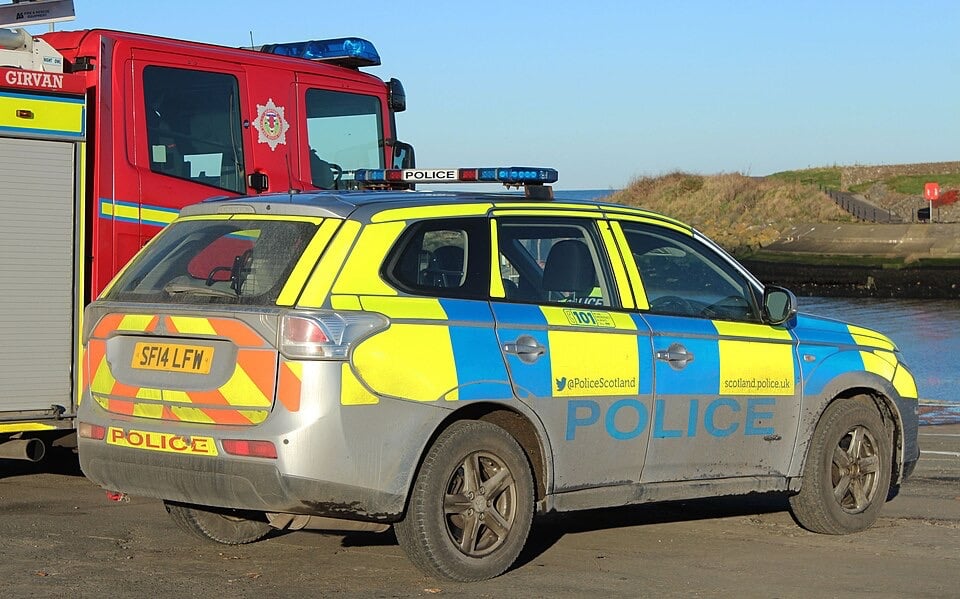
A body has been found during the search for a 13-year-old boy who got into difficulty while swimming off Hornsea, East Yorkshire, with Humberside Police saying they believe it to be the missing teenager, though formal identification has not yet taken place.
Police searching for a 13-year-old boy who got into difficulty while swimming in Humberside have found a body during their search. Formal identification has not yet taken place, but Humberside Police said they believe the body to be that of the missing teenage boy. Chief Superintendent Phil Booker of Humberside Police described the outcome as “an incredibly heartbreaking outcome,” adding that the force’s thoughts were with the boy’s family and friends at what he called a devastating time.
What happened
According to Humberside Police, emergency services were called to the South Promenade in Hornsea shortly after 6pm the previous evening, following a report expressing concern for the safety of a 13-year-old boy who had got into difficulty while swimming. This triggered an extensive search operation involving specialist Humberside search officers, including the force’s Marine Unit and drone pilots, working alongside HM Coastguard, Yorkshire Ambulance Service and Humberside Fire and Rescue Service. A body was recovered from the water at around 4.30am the following morning, Wednesday. Booker confirmed that the death “is not being treated as suspicious,” and that a file would now be prepared for the coroner.
Hornsea’s popular seafront
Hornsea is a well-known seaside resort on the East Yorkshire coast, and its beach draws large numbers of visitors during the summer months, making it a popular spot for swimming and other water-based activities.
How the search was carried out
HM Coastguard coordinates maritime search and rescue operations around the UK coastline, deploying resources such as lifeboats, rescue helicopters, drones and specialist search teams depending on the circumstances of each incident. Humberside Police’s Marine Unit is specifically trained to carry out searches across rivers, lakes and coastal waters, working alongside other emergency services when responding to water-related incidents. During searches of this scale, emergency services often rely on tools including thermal imaging drones, sonar equipment and coordinated searches along the shoreline to help locate missing people as quickly as possible.
What happens next
When a death is described as not being treated as suspicious, it generally means investigators have found no initial evidence of criminal involvement, though enquiries continue in order to establish the full circumstances. Cases involving unexpected deaths at sea or in inland waters in England are typically referred to the coroner, who may order a post-mortem examination and will ultimately decide whether a formal inquest is required.
A request for privacy
In his statement, Booker asked that the family be given space to grieve, saying, “we would ask that the family’s privacy is respected during this incredibly difficult time.” He also thanked all of the emergency services involved in the search, as well as members of the public for their support and cooperation throughout the operation, acknowledging the sadness and concern the incident is likely to cause within the wider community.
Staying safe in open water
Incidents like this serve as a reminder of how quickly conditions in open water can turn dangerous. Strong currents, sudden changes in water depth and cold-water shock can all make coastal swimming hazardous, even in warm weather and for otherwise confident swimmers. Cold-water shock in particular can trigger an involuntary gasp reflex and rapid, uncontrolled breathing, significantly increasing the risk of drowning within the first few minutes of entering cold water. The RNLI advises anyone who finds themselves in difficulty in the water to float on their back, focus on controlling their breathing, and raise an arm to signal for help, rather than attempting to swim immediately. Anyone who sees someone else in trouble in the sea is urged to call 999 and ask for the Coastguard, rather than attempting a rescue themselves unless it is clearly safe to do so.
