



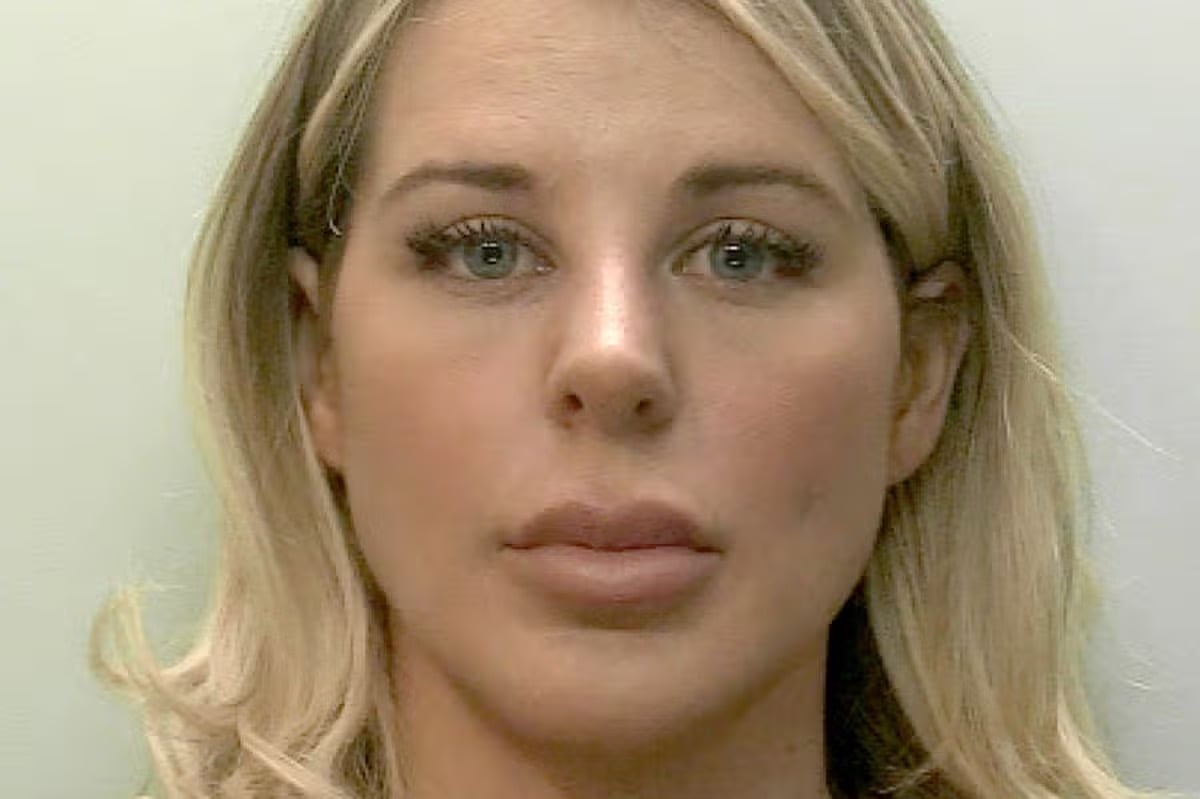
Paris Wilson, dubbed “Temu Barbie” online during the investigation, has been jailed for manslaughter after helping a drugs gang track down her former husband, Danny Cahalane, who died following a sulphuric acid attack linked to a £120,000 debt.
Four people have been jailed for a combined 80 years at Winchester Crown Court over the killing of Danny Cahalane, a 38-year-old father of two who died after acid was thrown at him outside his Plymouth home. His former partner, Paris Wilson, 35, was sentenced to nine years for manslaughter and for her role in a separate attempted kidnapping a month before the fatal attack. Two other men were convicted of murder and jailed for life, while a fourth was jailed for manslaughter.
The attack and its aftermath
Mr Cahalane was attacked with concentrated sulphuric acid in the early hours of 21 February 2025 at his home on Lipson Road, while his young daughter slept inside the property. Police described the use of acid in this way as an exceptionally rare and particularly brutal method of attack, and Mr Cahalane suffered catastrophic burns across much of his body. He was taken to hospital, where he spent ten weeks being treated before dying of his injuries on 3 May 2025.
Despite the severity of his injuries, detectives said Mr Cahalane remained conscious after the attack and was able to speak to officers from his hospital bed, giving them evidence that proved significant in identifying those responsible.
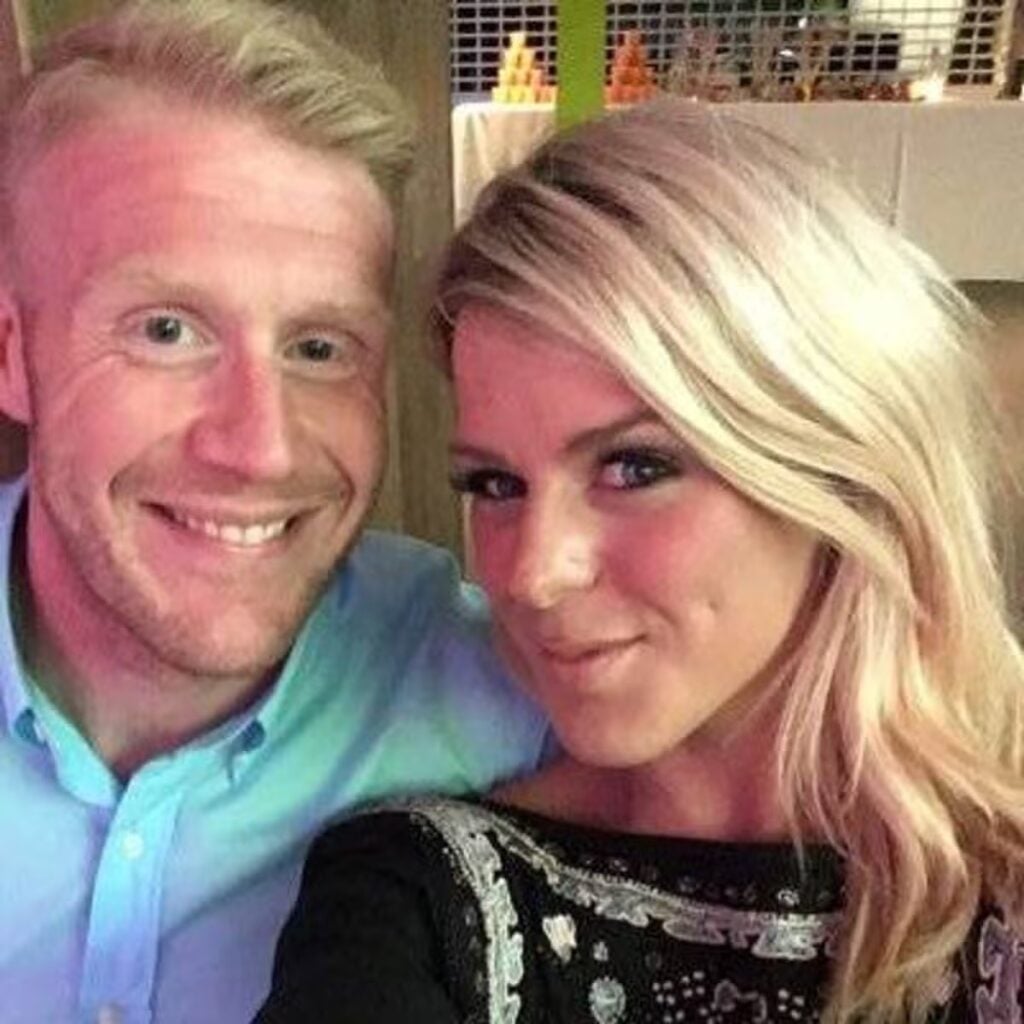
Sentencing at Winchester Crown Court
Alongside Wilson, Abdulrasheed Adedoja, 23, of Neasden, north London, and Israel Augustus, 27, of Tottenham, north London, were convicted of Mr Cahalane’s murder. Adedoja was jailed for life with a minimum term of 31 years, while Augustus received a minimum of 30 years and was sentenced separately for possessing a “zombie-style” knife and drugs offences. A fourth defendant, Ramarnee Bakas, 24, of London, was jailed for ten years for manslaughter.
Sentencing the group, Ms Justice Norton said Wilson had used her daughter “effectively as bait” during the earlier attempted kidnapping, calling it a particularly unpleasant aspect of the case. Addressing Wilson’s motives in the fatal attack directly, the judge told her that regardless of the reasoning behind her actions, in that moment “your main concern was yourself.”
The judge also dismissed a character reference submitted on Adedoja’s behalf by his sister, saying it appeared to have been generated with the help of artificial intelligence rather than written personally, and noted that such AI-assisted references were becoming increasingly common in court.
Wilson’s role in locating her ex-husband
Prosecutor Jo Martin KC told the court that although Wilson did not take part in the physical attack, the information she provided about Mr Cahalane’s movements was critical to the gang’s ability to locate and target him. Following an acrimonious split from her former husband, Wilson had become the gang’s main contact in Plymouth, feeding back details of his whereabouts in the belief, prosecutors said, that she would be financially rewarded for doing so.
Defending Wilson, Jennifer Knight KC disputed the characterisation of her as having used her daughter as bait, describing her client as “immensely hard-working, positive and pro-active,” and adding that she was deeply remorseful for Mr Cahalane’s death.
The debt behind the killing
The court heard that Mr Cahalane had been targeted over a debt of around £120,000 owed to a drug dealer known as Ryan “Frost” Kennedy, who operated between Thailand, Spain and Dubai and is believed to still be abroad. Ms Martin told jurors that Kennedy had exchanged messages referencing a 320kg cannabis shipment worth an estimated £960,000 wholesale, or as much as £3.2 million if sold in individual gram deals, and that he became “incensed” by Mr Cahalane’s failure to repay what he owed. Kennedy remains wanted by UK authorities.
Speaking to police before his death, Mr Cahalane explained that the debt had built up after a junior dealer working for him disappeared without paying, and that he had lost further sums through gambling.
Planning, surveillance and a large-scale investigation
Prosecutors said the attack was the culmination of months of planning that began with the failed kidnapping attempt in January 2025 before escalating to the fatal assault. The conspirators are said to have used encrypted messaging apps and disposable phones to coordinate, and members of the gang travelled from London to Plymouth specifically to carry out both attacks. Investigators also found evidence that Mr Cahalane had been placed under surveillance beforehand, with the gang monitoring his movements to find an opportunity to strike.
Devon and Cornwall Police described the case as one of the largest homicide investigations the force has handled in recent years, involving hundreds of witness statements, extensive forensic work and a significant amount of digital evidence gathered across multiple crime scenes in Plymouth.
Tributes to Danny Cahalane
In a victim impact statement, Mr Cahalane’s aunt, Jayne Keeper, told the court that his mother, Vivien Cahalane, who had previously been diagnosed with cancer, missed chemotherapy sessions while staying at her son’s bedside and died in hospital the day after he did. Ms Keeper said Mr Cahalane had “cared deeply for his mum” and had never let his own children go without, despite what she described as pressure from Wilson for money and gifts.
His stepfather, Tony Bleach, said Mr Cahalane was known within the family as “Big Dan,” someone committed to fitness and health who cared about those around him. He said his death had taken more than one life, adding that it had “took part of all our lives too.”
