



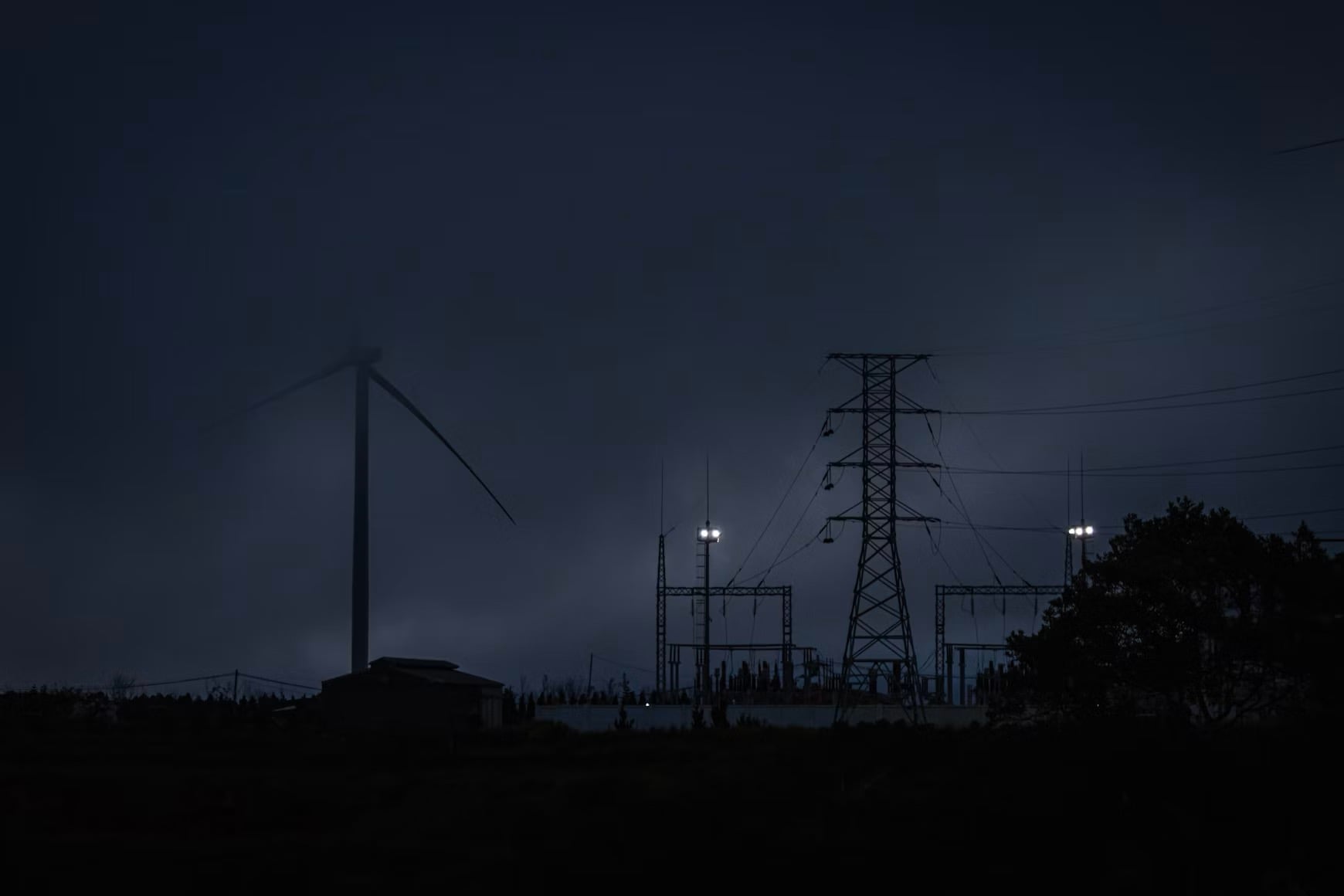
The US Department of Energy has authorised emergency measures to activate backup power sources across 17 states as extreme heat pushes the electricity grid to its limits, placing around 20 million Americans at risk of potential blackouts.
Around 20 million Americans across 17 states are facing the threat of potential blackouts as extreme heat continues to strain the region’s power grid. In response, the US Department of Energy has authorised the operator serving parts of the affected states to activate normally idle backup power sources. The order applies to the Southwest Power Pool (SPP), which manages the electric grid across all or parts of 14 states, though the affected region spans 17 states in total: Arizona, Arkansas, Colorado, Iowa, Kansas, Louisiana, Minnesota, Missouri, Montana, Nebraska, New Mexico, North Dakota, Oklahoma, South Dakota, Texas, Utah and Wyoming.
Why the order was issued
The emergency authorisation was issued under Section 202(c) of the Federal Power Act, which allows the Department of Energy to temporarily permit electricity generation beyond normal operating limits during emergencies. The order gives SPP, which serves an estimated 18 to 20 million people, the ability to bring backup generators online should the main grid become overwhelmed by demand.
The Department of Energy said the emergency authorisation will remain in effect only for as long as necessary to maintain grid reliability during the current heatwave. More than 35 gigawatts of unused backup generation capacity remain available nationwide, should further support be required as conditions continue.
How hot it’s getting
According to alerts issued by the National Weather Service on Monday, temperatures across the 17 affected states are expected to climb above 100°F. In parts of Louisiana, highs could reach as much as 115°F, while residents in Texas, Arkansas, Oklahoma, Kansas, Colorado and Nebraska can expect temperatures around 110°F. Meteorologists have also warned that overnight temperatures will remain unusually high across many of the affected states, limiting opportunities for homes and infrastructure to cool down and keeping electricity demand elevated around the clock.
The strain on the grid
Rising temperatures combined with high humidity have driven a surge in air conditioning use, placing significant pressure on the electricity supply. The North American Electric Reliability Corporation (NERC) has repeatedly warned that extreme heat poses one of the greatest threats to grid reliability, since demand for air conditioning can reach record levels at the same time as power plants and transmission lines become less efficient in high temperatures.
The current emergency order represents a step below a Level 3 Energy Emergency Alert, which could trigger rolling blackouts if the situation were to worsen further. Officials have stressed that the current measure is a precautionary step and does not mean blackouts are inevitable, but is instead intended to ensure additional generating capacity is available should demand outstrip normal supply.
What residents are being asked to do
Grid operators have urged consumers across the affected states to reduce electricity use during peak afternoon and evening hours, including delaying the use of large appliances and raising thermostat settings where possible, in an effort to ease pressure on the system.
Kerry Duggan, a former Department of Energy official, said extreme heat is becoming an increasingly serious challenge for the US energy system. “As we experience more frequent and longer-lasting heat waves, our ability to keep homes, businesses and critical facilities cool depends on having a reliable and resilient electric grid,” Duggan said.
Part of a wider pattern of extreme weather
The heatwave is not the only severe weather event Americans have faced in recent weeks. Last week, millions were warned of life-threatening conditions as Tropical Storm Bertha approached the US Gulf Coast. Experts had forecast up to eight inches of heavy rainfall, alongside high winds and flooding, particularly across the south-east of the country. The National Hurricane Center also warned of a “life-threatening storm surge,” with meteorologists predicting that Louisiana, Mississippi and Alabama would be among the worst affected states.
