



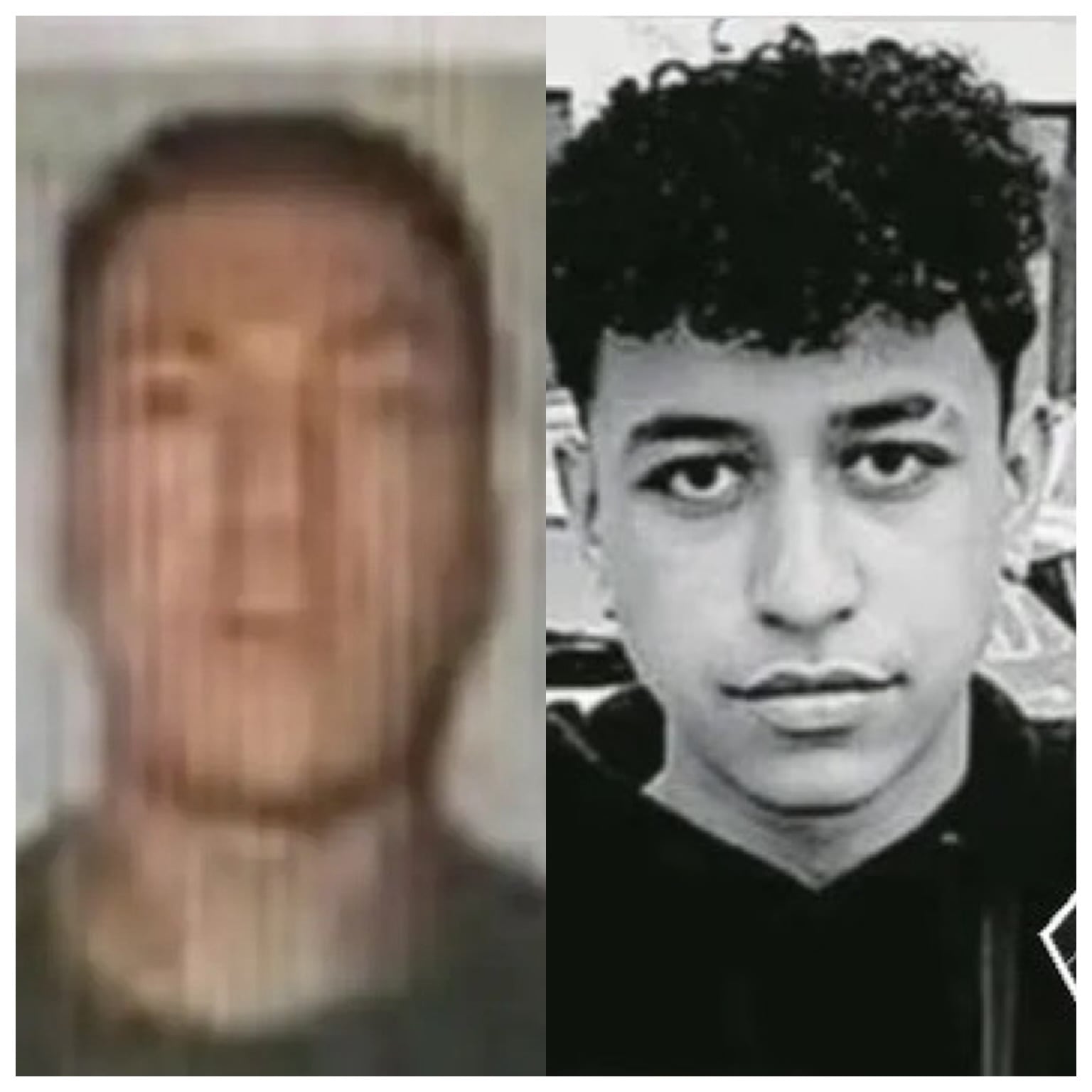
Daniel Dunbar, a 30-year-old Royal Bank of Canada employee from Kent, has been sentenced to 15 years in prison after a Lisbon court found he murdered 19-year-old Daniel Galhanas by stabbing him in the neck with a broken bottle, rejecting his claim of self-defence.
A British banking executive has been jailed in Portugal for murdering a local teenager with a broken bottle during a night out in Lisbon. Daniel Dunbar, 30, of Sidcup, Kent, was sentenced to 15 years in prison after a court found he thrust a jagged bottle into the neck of 19-year-old Daniel Galhanas in the city’s Bairro Alto district in October 2023. Galhanas collapsed and died a short time later from his injuries. Dunbar had claimed he acted in self-defence, but judges at Lisbon’s specialised Central Criminal Court dismissed his account, ruling he had acted with “reckless indifference” to his victim’s life.
What happened that night
Dunbar, who worked in the Investor Management Department at the Royal Bank of Canada, was on holiday in Lisbon with a group of friends when trouble broke out during a night out. The group had clashed with a gang of local men after witnessing them kicking and punching another man nearby. Galhanas, a police mechanic, was not part of that group, but Dunbar said he believed he had been involved in the earlier attack on his friends.
The court’s ruling found otherwise. Judges concluded that Galhanas had not been involved in the earlier altercation, finding no evidence he had attacked Dunbar or his friends before the fatal encounter. CCTV footage and witness evidence showed that Dunbar had smashed a glass bottle shortly before the attack, leaving him holding its jagged neck when he confronted Galhanas. He then swung at the teenager, delivering a blow that severed both his carotid artery and jugular vein, causing catastrophic blood loss that the court said left Galhanas with virtually no chance of survival. Video footage showed him collapsing to the ground in a pool of blood as Dunbar and his friends fled the scene.
Court’s findings
Lead judge Armandina Silva Lopes rejected Dunbar’s self-defence claim, ruling he had shown “no hesitation” in attacking Galhanas with the broken bottle concealed in his hand. “After delivering a violent blow to his neck and seeing the person he had injured was losing a lot of blood, he did nothing to help him and instead fled the scene,” she said. “His actions were not carried out in self-defence.”
Portuguese prosecutors had argued that Dunbar’s actions demonstrated what is known in Portuguese law as “eventual intent,” or dolo eventual, meaning he accepted the risk that striking someone in the neck with a broken bottle could prove fatal.
Dunbar had admitted assaulting Galhanas but denied murder, maintaining his actions were in self-defence and that he had not realised he was holding the bottle when he struck him. Addressing the court, he said: “I should have gone to the police instead of leaving the country but I was immature, I didn’t trust the police and I was afraid of being imprisoned.”
Arrest and extradition
Following the attack, Dunbar returned to the UK, where he was arrested in 2024 before being extradited to Portugal to face trial, which began in March. He remained in Portugal’s preventive detention following his extradition while awaiting the outcome of the trial and sentencing. The three-judge panel’s decision, contained in a 57-page written ruling, was made public on Friday following proceedings at Lisbon’s Central Criminal Court.
Compensation and sentencing
Alongside the 15-year prison sentence, the court ordered Dunbar to pay €250,000, around £215,000, in compensation to Galhanas’ family. Portugal’s maximum sentence for homicide is 25 years.
Family’s reaction
Galhanas’ family have strongly criticised the sentence as too lenient and have confirmed their intention to appeal, arguing that the circumstances of the case justify a longer prison term closer to the maximum available under Portuguese law. In an online petition demanding justice, the family described Galhanas as “an honest, responsible young man and a friend to everyone, who always acted in the name of peace,” adding: “Now there is a whole family torn apart, trying to survive an immeasurable grief.”
Family lawyer Joao Biscaia said: “We consider the sentence imposed far too lenient given the seriousness of the facts. The sentence is disproportionate and there is a firm intention to appeal.”
