



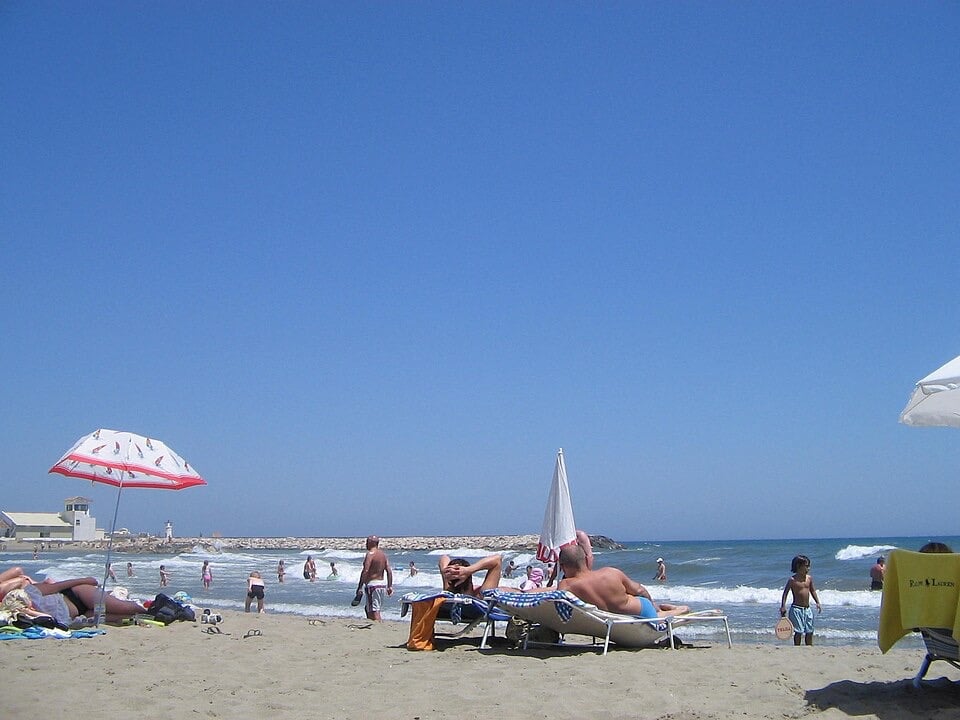
Spanish health authorities have declared red alerts in the popular tourist destinations of Fuengirola and Mijas after mosquitoes carrying West Nile virus were detected, as the number of confirmed human cases in the region rises to five this season.
A number of people in Spain have fallen ill with West Nile virus, prompting health authorities to place two seaside destinations popular with British holidaymakers, Fuengirola and Mijas, on red alert after infected mosquitoes were discovered in the area. Officials have stepped up checks on insects, animals and humans, launched community awareness campaigns and issued public warnings. The move follows confirmation from the Spanish health ministry of a new, mild case of West Nile fever, bringing the total number of confirmed human cases this season to five.
Latest confirmed case
According to the health ministry, a man living in Coria del Río, near Seville, first began showing symptoms on 17 July, with his case confirmed following tests on Friday. A health department spokesperson said: “The ministry has decided to extend until August 14 the period of alert area of this Sevillian municipality.” With the addition of Bollullos de la Mitación in Seville, along with Fuengirola and Las Lagunas in Malaga, there are now 15 municipalities across Andalusia currently under alert. The region has recorded at least ten deaths linked to the virus in previous years.
A growing seasonal concern
Spain recorded 18 human cases and two deaths from West Nile virus during the 2025 transmission season, prompting health authorities to expand mosquito surveillance ahead of this year. Spanish officials are now carrying out regular mosquito trapping and laboratory testing in high-risk municipalities to detect infected mosquito populations before further human cases emerge, alongside increased larvicide treatments and mosquito-control measures around wetlands, rivers and other areas of standing water where mosquitoes breed.
The virus is maintained in nature through a transmission cycle between mosquitoes and wild birds, with humans and horses considered “dead-end hosts,” meaning they generally do not pass the virus on further. In Europe, the majority of human infections occur between July and October, when mosquito activity peaks.
A wider European issue
Spain is not the only country affected. According to the European Centre for Disease Prevention and Control, as of 22 July, 35 areas across six countries had reported cases: Italy (20), Greece (six), Romania (four), North Macedonia (two), Spain (two) and France (one). In total, 81 locally acquired human cases have been reported across Europe this season, with more than half occurring in Italy.
The UK has not recorded any cases of mosquito-borne diseases contracted domestically. However, the UK Health Security Agency revealed last week that more than 750 cases of mosquito-borne illnesses had been reported among people in England, Wales and Northern Ireland since the start of 2026, all acquired while travelling abroad.
Health advice for travellers
As cases rise, the World Health Organisation has urged people in affected areas to focus on prevention. “Simple steps like covering up, using insect repellent and clearing stagnant water around the home can make a real difference,” said Hans Kluge, WHO Regional Director for Europe. Health officials are advising residents and tourists to wear long sleeves after dusk, use insect repellent containing DEET or icaridin, and ensure windows are fitted with insect screens.
There is currently no licensed vaccine for humans against West Nile virus, and treatment is limited to managing symptoms, with supportive hospital care available for severe cases.
Understanding the symptoms and risks
Most people infected with West Nile virus, around 70 to 80%, will not develop any symptoms at all. Those who do may experience fever, headache, fatigue, muscle aches, nausea or vomiting, and occasionally a rash or swollen lymph nodes. Symptoms can last from a few days to several weeks, with patients typically treated using fluids, rest and over-the-counter painkillers.
Of those who do develop symptoms, fewer than one per cent go on to develop a severe form of the illness known as West Nile neuroinvasive disease, which can be fatal. In these cases, the virus infects the brain, causing encephalitis, or inflammation of the brain, which can lead to seizures, disorientation, paralysis and coma. People over the age of 60, along with those with weakened immune systems, are considered to be at the highest risk of developing severe neurological complications. Kluge added: “Anyone who develops a high fever, rash or neck stiffness after a mosquito bite should see a doctor without delay.”
