



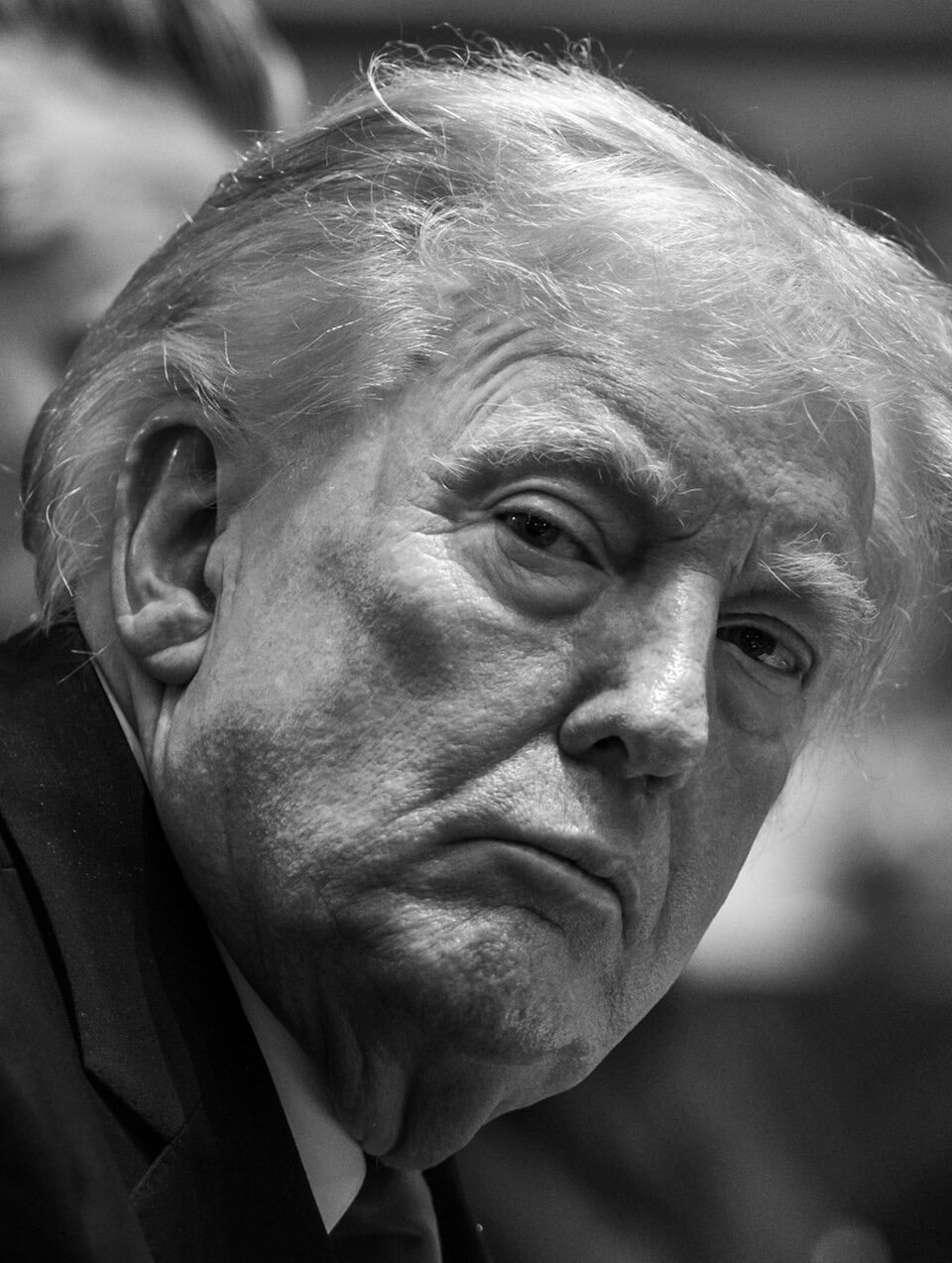
Donald Trump has said the US is close to authorising what he described as the biggest military operation of the conflict so far against Iran, as tensions continue to escalate following days of strikes aimed at protecting shipping in the Strait of Hormuz.
Donald Trump has claimed the United States is close to launching a major new offensive against Iran, describing it as potentially “the biggest of the war yet.” Speaking to Axios, the president said he was seriously weighing a return to large-scale combat operations, arguing that Tehran needed to feel further pressure before it would be willing to negotiate. “I am considering a massive attack. Bigger than ever before,” Trump said. “I am close to making a decision. We are all set for it.” The remarks come after 12 days of escalating US military action aimed at deterring Iran from targeting commercial shipping in the Strait of Hormuz.
Military options under consideration
According to reports, US military planners have prepared multiple strike options, ranging from limited precision attacks on military infrastructure to a broader campaign targeting Iran’s air defence and missile capabilities. Additional US naval assets and combat aircraft have reportedly been repositioned across the Middle East to give the president greater flexibility should he authorise action. American officials have stressed that no final decision has yet been made, with both diplomatic and military options said to still be under consideration.
Military analysts believe any large-scale operation would likely focus on missile launch sites, drone facilities, command-and-control centres and Revolutionary Guard infrastructure, rather than a full-scale ground invasion.
Israel’s potential role
Asked whether any US operation would be carried out alongside Israel, Trump said the country “would join in two minutes if I ask them to,” though he stopped short of saying American forces would require Israeli support. He also warned there would be “consequences” if Israel took part, suggesting Iran could seek retaliation against its regional rival. Iran, for its part, has warned that any new US attack would trigger a “strong and decisive” response, with senior officials threatening retaliation against American military assets across the region.
Despite the rhetoric, experts say a return to full-scale war remains unlikely, citing limited appetite within the US for another major conflict. Trump himself claimed Iran “wants to negotiate” but argued the country was not yet ready to strike a deal. “They haven’t received enough pain yet,” he said.
Strikes on shipping continue
Trump has previously vowed to destroy Iranian bridges and power plants in response to any attacks on vessels in the Strait of Hormuz. Despite these warnings, Houthi rebels claimed to have struck two oil tankers, the Encelia and Layla, in the Red Sea overnight. The Tehran-backed group’s claim came just days after it announced a blockade of the Bab al-Mandab Strait, a key naval trade route south of the Red Sea, targeting Saudi vessels. The Red Sea has become an increasingly important route for Saudi oil shipments due to the closure of the Strait of Hormuz.
Energy analysts have warned that any disruption to shipping through the Strait of Hormuz could trigger a sharp rise in global oil prices, given that around one-fifth of the world’s seaborne oil passes through the waterway. International shipping companies are already rerouting some vessels away from high-risk areas of the Red Sea and Gulf region because of the heightened security threat, while several Gulf states have quietly increased security around energy infrastructure and military facilities amid concerns the conflict could spread further.
UK involvement and response
Iran has also threatened the British Royal Family and declared a UK air base a “target,” after Prime Minister Andy Burnham allowed the US to launch strikes from British territory. The warning followed the deployment of a US B-1 bomber from RAF Fairford in Gloucestershire for what were described as “defensive strikes” on Tehran. The aircraft, capable of carrying 24 2,000lb bombs and travelling at the speed of sound, was used to hit Iranian military targets, according to sources cited by Axios.
In response, the UK’s Ministry of Defence said its armed forces remained ready to defend the country. “Our Armed Forces are ready to keep the United Kingdom safe from any kind of attacks, whether it’s on our soil or from abroad. The UK stands ready 24/7 to defend itself,” a government spokesperson said.
Amid the escalating tensions, the UK Foreign Office confirmed it had withdrawn all remaining staff from Iran. In a statement, the department said: “Updated information on regional tensions, and due to the security situation, UK staff have been temporarily withdrawn from Iran.” The UK had previously evacuated its ambassador and consular staff, and has since been conducting diplomatic operations from outside the country. The US has separately continued to urge American citizens to avoid travel to Iran, warning US nationals across the wider Middle East to remain vigilant given the increased regional tensions.
Iran’s position
Mohammad Bagher Ghalibaf, head of Iran’s negotiating team, struck a defiant tone, saying: “The equation of this war is clear, all or nothing. In a region where we do not sell oil, no one will sell oil. If our security is not guaranteed, no infrastructure will be safe, and the key to the security of the strait lies in the absence of American forces.”
