



High-caffeine energy drinks will be illegal to sell to anyone under 16 across England from April next year, the government has confirmed, in a move aimed at closing a gap left by voluntary restrictions already adopted by many major supermarkets. The ban will apply to drinks containing more than 150mg of caffeine per litre, sold through any channel including shops, online retailers, restaurants, cafés and vending machines.
Public Health Minister Sharon Hodgson said the decision reflects growing concern over how these drinks affect children. “We know about the damage to young people: affecting their sleep, their concentration in class, their behaviour,” she said. The move follows a 12-week consultation launched after the government first confirmed its intention to introduce a ban last autumn, fulfilling a commitment made in Labour’s 2024 manifesto, which also pledged to restrict the advertising of junk food to children.
Which drinks are affected
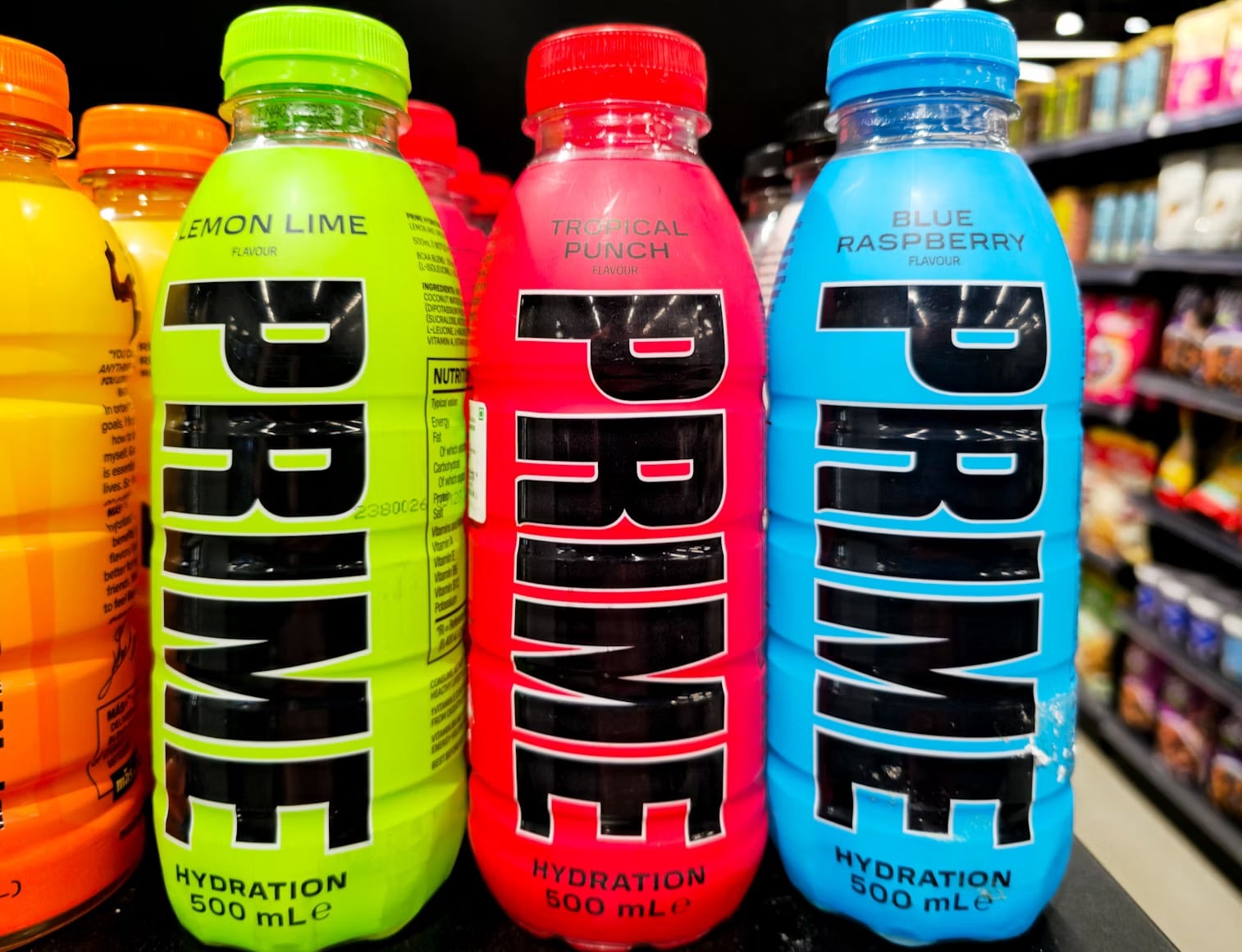
Under the new rules, drinks that currently exceed the 150mg-per-litre caffeine threshold, including Red Bull, Monster, Relentless and Prime, will fall within the scope of the ban and already carry warnings advising against consumption by children. Tea, coffee and lower-caffeine soft drinks such as Coca-Cola and Pepsi will not be affected, as they sit below the threshold set out in the legislation. To put the scale of caffeine content into perspective, a single energy drink can contain as much caffeine as two cups of coffee or four cans of cola.
Why the government is acting now
Officials estimate that around 100,000 children in England currently drink high-caffeine energy drinks, with government research suggesting that roughly one in three UK children consume at least one such drink every week, a figure that rises among boys in particular. Health officials have linked excessive caffeine intake in children to poor sleep, headaches, anxiety, hyperactivity and reduced concentration at school.
Some products have surged in popularity among younger consumers in recent years, most notably Prime, whose sales grew rapidly after being promoted by YouTubers KSI and Logan Paul. While major supermarkets have already voluntarily stopped selling energy drinks to young people, the Department of Health said research indicates that some smaller convenience stores continue to sell them to children, prompting ministers to pursue a legally binding national standard rather than relying on voluntary compliance.
How the ban will work in practice
Hodgson explained that the new law is designed to give adults clear backing to refuse sales that were previously permitted. “We’ve heard from so many parents and teachers across the country, they see the difference when the kids are ‘wired’ when they’re on these high caffeine energy drinks, but it was perfectly legal,” she said. “Well now we’re empowering parents and teachers and shopkeepers to say ‘no, you don’t have to sell these to children under 16 anymore, they’re banned’.”
The ban will be enforced by Trading Standards officers, and retailers will be expected to introduce age verification measures for both in-store and online sales. This isn’t the first time such a ban has been considered in England: Theresa May’s Conservative government ran a similar consultation in 2018, though a ban was never brought into force at the time.
Part of a wider health strategy
Ministers have framed the measure as one element of a broader effort to improve children’s health, sitting alongside restrictions on junk food advertising and wider efforts to tackle childhood obesity across England.
