



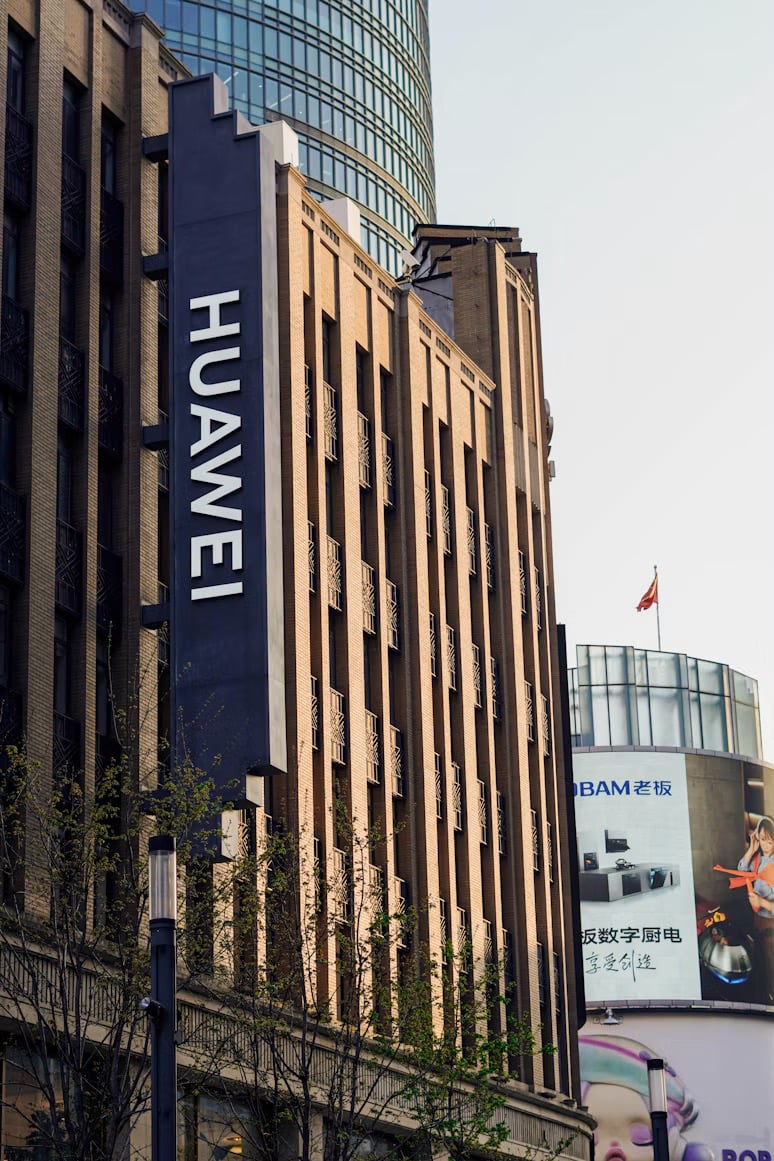
A US jury has convicted the technology group after a long-running criminal case over alleged sanctions evasion and theft of rivals’ information. Huawei’s lawyers say any wrongdoing was the work of individual employees, not a company-wide conspiracy.
A US jury has found Huawei guilty in a federal criminal case, while clearing it of racketeering conspiracy, according to reports of the verdict on 24 November. The jury also acquitted the company on one further charge. Prosecutors had accused Huawei of concealing business in sanctioned countries and of rewarding staff for obtaining competitors’ confidential information. They also alleged links to bank fraud, claims the company’s lawyers rejected. No sentencing date or financial penalty has been announced.
The verdict and what comes next
The jury began deliberating on 18 November, following closing arguments. Reports of the verdict confirm the acquittal on racketeering conspiracy but do not set out the full count-by-count outcome. The identity of the second charge on which Huawei was cleared has not been reported.
The size of any penalty is undecided. Reuters reported in September that prosecutors could seek forfeiture of proceeds attributable to illegal conduct. The final amount would depend on further proceedings, and no figure has been announced. It has not been reported whether Huawei intends to appeal.
Huawei’s own 2025 annual report said the company could not reliably estimate any financial obligation arising from its US legal proceedings, citing uncertainty over timing and outcome. The verdict changes the procedural position of the case but does not itself fix a penalty.
The Financial Times reported in September that a conviction could make international banks more cautious about serving Huawei, even though existing technology restrictions already limit its US business. That is a reported potential consequence, not confirmation that any bank has ended a relationship.
The trial overlapped with a summit in Shenzhen involving Donald Trump, Xi Jinping and Vladimir Putin, according to the Associated Press, which placed the proceedings in a sensitive period of international diplomacy.
The defence case
Defence lawyer Brian Heberlig told jurors that Huawei had disciplined employees involved in past misconduct, with those responsible reprimanded or dismissed. The argument was meant to separate individual staff behaviour from the alleged corporate conspiracy.
Mr Heberlig also said that 75% of the billions of dollars Huawei spent licensing technology went to American companies. He presented this as evidence that the company routinely paid for intellectual property rather than relying on stolen technology. The figure is a defence claim and has not been independently audited.
He also told the jury that Huawei recalled routers following a dispute over copied Cisco software and offered to replace affected products sold in the US with Cisco routers. The defence cited this as corrective action taken more than two decades ago.
What prosecutors alleged
On 17 November, prosecutors told the jury that Huawei had supplied surveillance technology used by Iranian authorities to monitor anti-government protesters. That is an allegation made in court, not a finding on any particular count of the verdict.
Earlier US Justice Department indictments and announcements set out a wider set of allegations. They are not separate findings by the jury.
- Code names: The February 2020 indictment alleged that company documents referred to Iran as “A2” and North Korea as “A9”. Prosecutors said the codes helped conceal dealings in sensitive markets.
- Bonus scheme: The department alleged an internal programme paid financial rewards to staff who supplied valuable confidential information belonging to other companies.
- Bank transactions: The department said a bank processed more than $100m in transactions linked to Huawei’s Iranian subsidiary between 2010 and 2014. It said the payments went through the US financial system after the bank received misleading information about Huawei’s relationship with Skycom.
- Skycom ownership: Prosecutors alleged that a purported 2007 sale of Skycom was structured to look independent, although the buyer remained under Huawei’s control.
- Witnesses and evidence: The department alleged that after Huawei learned of the federal investigation in 2017, it and its US subsidiary tried to move people with knowledge of its Iranian operations beyond the reach of American authorities. Prosecutors also alleged efforts to destroy or conceal evidence.
The original investigation involved four federal agencies: the FBI, Homeland Security Investigations, the Commerce Department’s Office of Export Enforcement and the Defense Criminal Investigative Service.
