



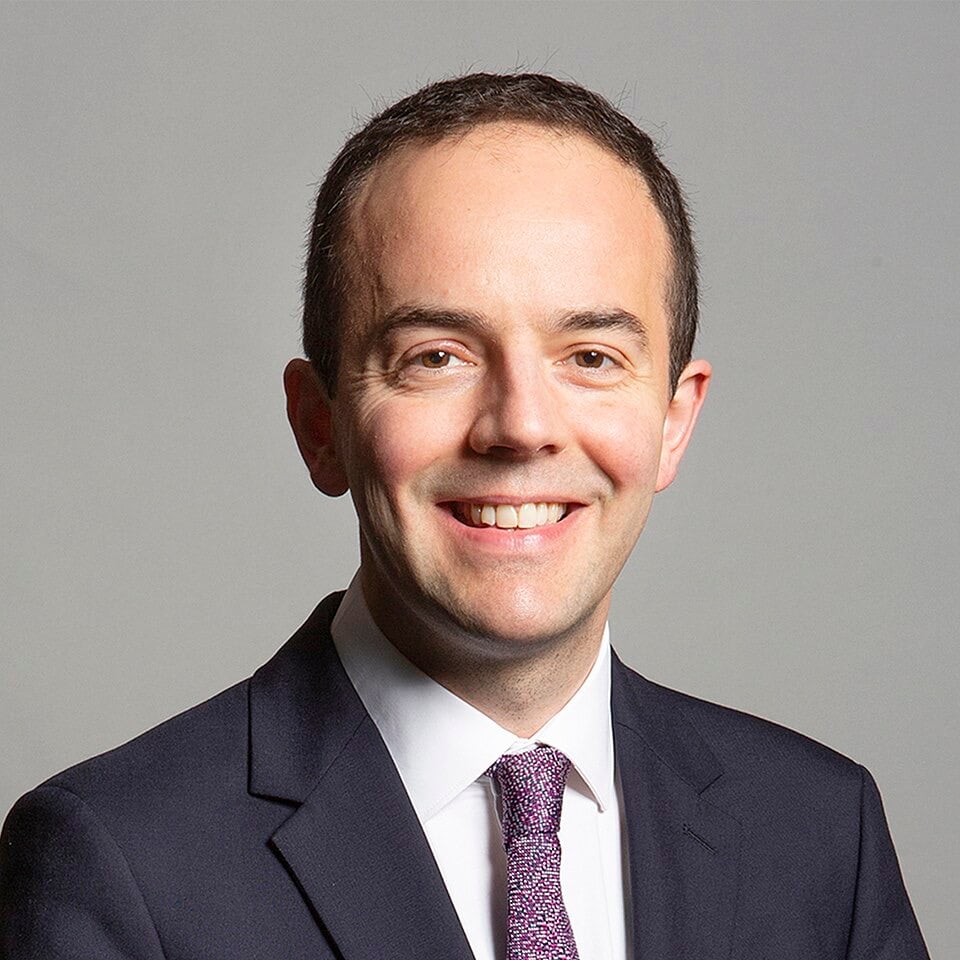
James Murray has defended plans to introduce AI-powered patient triage through the NHS App, insisting the technology will only ever be an alternative to phoning a GP, as officials confirm a phased rollout to more than 200,000 patients ahead of a national launch by April 2028.
Health Secretary James Murray has dismissed concerns over the use of artificial intelligence to triage NHS patients, insisting the technology could cut early morning GP telephone queues by almost a third. Speaking to the BBC, Murray said the AI triage tool would operate through the NHS App, initially reaching more than 200,000 patients over the next 12 months before a planned nationwide rollout to all NHS App users in England by April 2028. The system forms part of a wider £10 billion investment in NHS technology, and comes after a successful pilot at a GP practice in Sussex.
How the System Will Work
Under the plan, patients seeking a GP appointment will first answer a series of questions through the NHS App before being directed towards the most appropriate form of care. NHS officials have stressed the technology is designed to assess the urgency of a patient’s symptoms and point them towards the right service, rather than to diagnose medical conditions or replace a clinician’s judgement. Where a GP appointment is recommended, a clinician will still decide whether one is genuinely needed and how urgently the patient should be seen; in other cases, the tool may suggest alternatives such as a pharmacy, self-care, or emergency services.
During the trial phase, every recommendation made by the AI will be checked by clinicians, who will retain the ability to overturn its advice retrospectively and call patients back if they believe a GP appointment or more urgent care is required. The long-term goal, however, is to remove that clinical safeguard altogether if the trial demonstrates the technology can operate safely without it.
Murray was clear that patients would not lose the ability to speak to a human. “AI triage will operate through the NHS app, which means that rather than having to get on the phone at 8am and wait in a queue, it can give you some advice by a conversation with an AI device,” he said. Pressed on whether a digital “bot” would ultimately determine access to a GP, he replied: “No, it’s you who decides whether you call your doctor. When you have the app, when you have the AI triage, you can still pick up the phone and talk to your doctor. But this is an alternative.”
Results From the Sussex Pilot
Murray pointed to early results from the trial at a GP practice in Sussex as evidence the approach works. “This has been trialed at a GP practice in Sussex,” he said. “And what they found is that the queues for the 8am phone call dropped by almost a third as a result of this, because the AI app gave some directions to people around, ‘go towards your pharmacy, have some self-care if that’s the right thing for you’, or direct you towards your GP or a clinician at your GP practice.” Dr Ragu Rajan, of Wealden Ridge Medical Partnership in Sussex, which ran the initial pilot, said: “Integrating AI triage into the NHS App means patients can tell us what they need, when they need it, and be directed to the right care first.”
AI Also Being Used to Cut Paperwork
Murray, who became Health Secretary in May following Wes Streeting’s resignation amid the collapse of Sir Keir Starmer’s premiership, said the NHS was separately expanding its use of AI for clinical note-taking on behalf of doctors and nurses. He said this could save individual clinicians as much as 47 minutes a day, potentially freeing up capacity for an additional 3.4 million consultations a year across the NHS as a whole.
The first phase of the national AI note-taking programme will begin at four London NHS trusts — St George’s, Epsom and St Helier, Croydon, and Kingston and Richmond — before being expanded to other parts of England. A trial led by Great Ormond Street Hospital across nine NHS sites found that clinicians using AI note-taking technology spent almost 25 per cent more of their time interacting directly with patients, rather than completing paperwork. NHS England chief executive Sir Jim Mackey has backed the wider programme, saying the technology will help ensure patients reach “the best service for their needs first time,” while allowing GPs to spend more time treating those who need appointments most.
Concerns Over Safety and Digital Exclusion
Not everyone has welcomed the changes. Shadow Health Secretary Stuart Andrew said: “New technology must be introduced with a fully funded plan that delivers value for taxpayers. Labour came into government without a credible plan for the NHS, and their first year saw one million fewer appointments delivered. Modernisation cannot be a sole substitute for reform.”
Dennis Reed, director of Silver Voices, a pressure group representing people aged 60 and over, raised concerns about both usability and safety. “There are multiple concerns here,” he said. “Many patients will struggle with this technology, and the greatest risk is to those trying to use it while in pain or confused, potentially describing the wrong symptoms when they need to see a GP. On top of all that there is the simple risk that the AI might be wrong, and we are talking here about a matter of life and death.”
The Royal College of Nursing has struck a more cautious but broadly supportive tone, saying AI could help reduce administrative workloads, but warning that patient safety must remain paramount and that qualified healthcare professionals should continue making key clinical decisions. Health policy experts have also warned that, while the technology could improve access for many, the NHS must ensure older people, vulnerable groups and those without smartphones or digital skills are not left behind as services become increasingly reliant on digital tools.
