



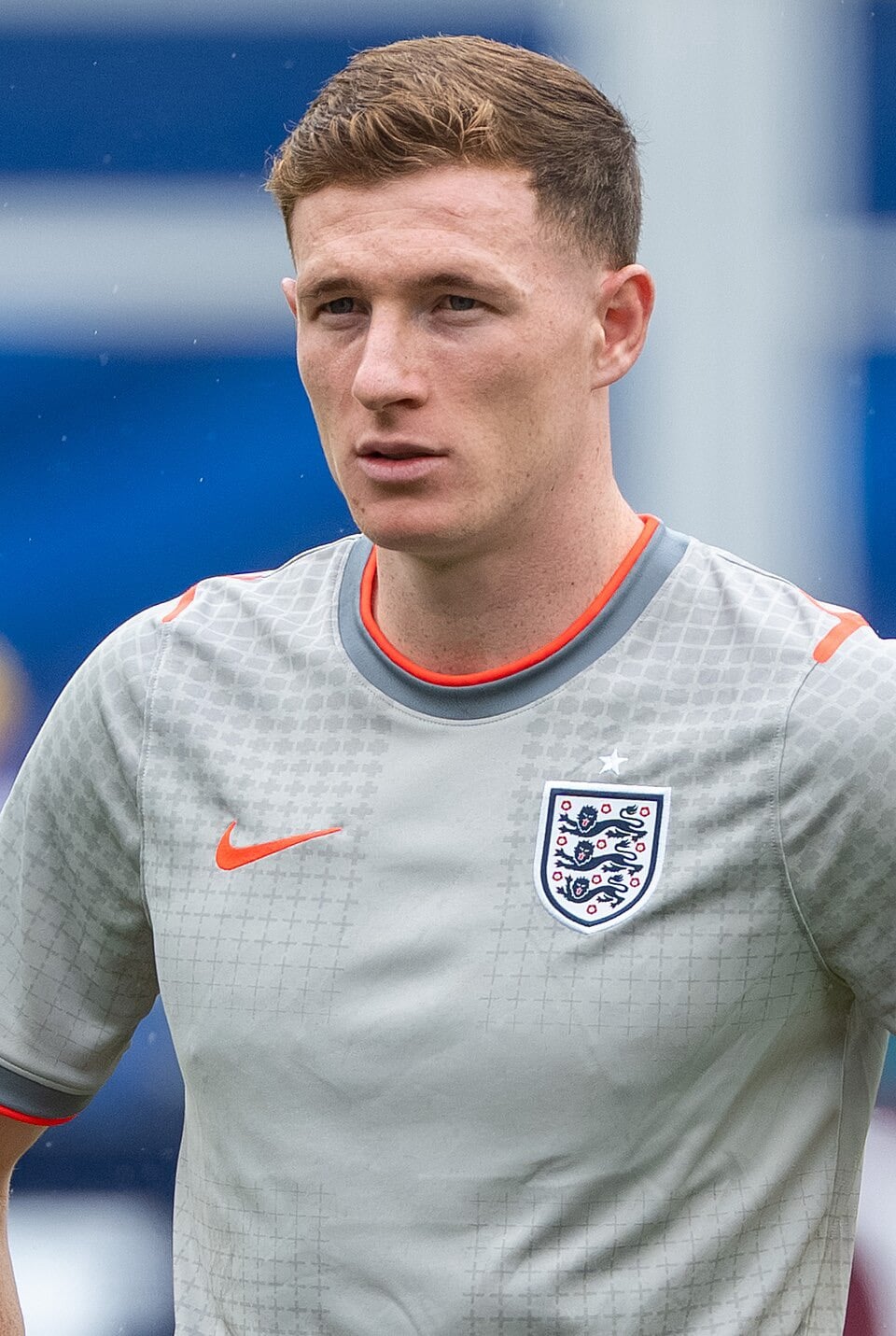
Manchester City’s record-breaking £116 million capture of England midfielder Elliot Anderson has thrown fresh attention on one of football’s most extraordinary ongoing sagas — the still-unresolved outcome of the Premier League’s 115 charges against the club, with no verdict in sight more than 19 months after the hearing concluded.
Anderson joins from Nottingham Forest in a deal that makes him one of the most expensive midfielders in Premier League history. That City are willing to spend at this level in the first transfer window since Pep Guardiola’s departure is itself significant — it signals that the club’s ambitions and their ability to attract top talent remain undiminished despite the end of the most decorated managerial reign in English football.
The Anderson signing is a statement of intent on multiple fronts. The 23-year-old had no shortage of suitors — Manchester United would have taken him had he been willing, according to the Daily Mail — and his decision to choose the Etihad over Old Trafford speaks to his belief that City, even post-Guardiola, remain a stronger proposition than their neighbours. United’s financial constraints under Sir Jim Ratcliffe have seen the club working to reduce a wage bill that includes Marcus Rashford’s reported £325,000-a-week package. City, by contrast, remain willing to spend big and pay accordingly.
The fee itself raises eyebrows in the context of the current market. Anderson was part of a Forest side that spent much of last season fighting relegation. Defensive midfielders are commanding extraordinary sums across the board — Sandro Tonali, after a difficult season at an underperforming Newcastle side, is joining Spurs for a fee that could reach £100 million, while West Ham have received £85 million for Matheus Fernandes, a player who has been relegated with two different clubs in consecutive seasons and was not selected for Portugal’s World Cup squad.
But the Anderson deal does more than raise questions about transfer valuations. It shines yet another spotlight on the prolonged absence of any verdict in the Premier League’s case against City. The 115 charges, laid in February 2023, cover alleged breaches of financial rules over a 14-year period. The independent commission’s 12-week hearing concluded in early December 2024. More than half a year later, there is still no indication of when a decision will come.
In the meantime, City have spent well over £500 million on new players since the hearing ended. Anderson is the latest in a procession of high-profile arrivals that also includes a contract extension for Erling Haaland running to 2034 and the appointment of Enzo Maresca as manager. Each of those parties would almost certainly have sought clarity on the charges before committing, and the fact that they proceeded suggests a collective confidence — shared by the club itself — that any outcome will not bring serious consequences.
City have consistently and emphatically denied any wrongdoing, expressing full confidence that they will be exonerated. On that basis, it makes complete sense that they continue to operate as normal. But as the Daily Mail notes, the longer the wait for a verdict extends, the more each major piece of business — every trophy, every blockbuster signing — throws the delay into ever sharper relief.
