



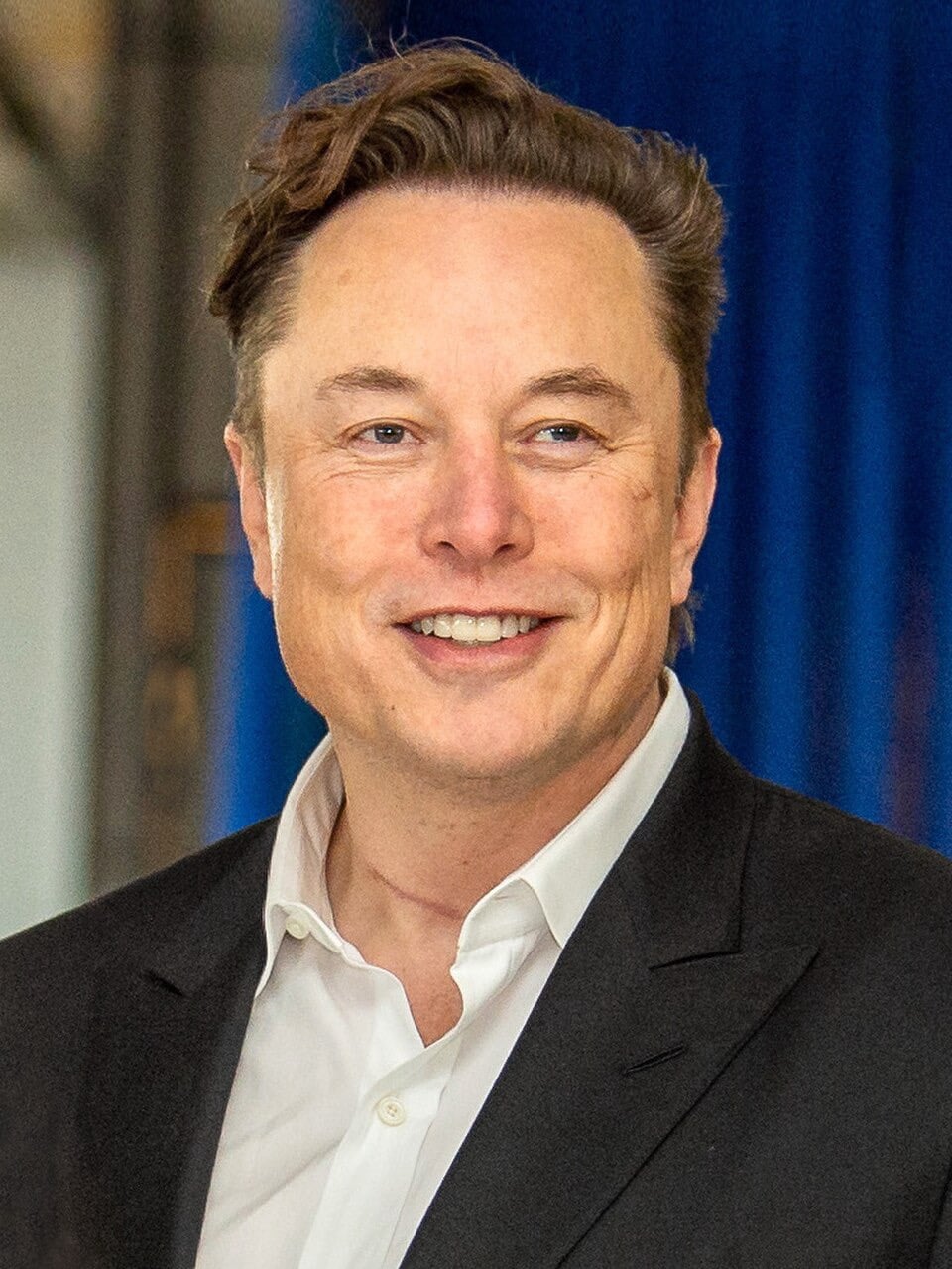
Elon Musk became the world’s first trillionaire after shares in his rocket company SpaceX surged by more than 20 per cent on their New York stock market debut, lifting the company’s valuation from $1.8 trillion to more than $2 trillion in what was the world’s biggest initial public offering.
Musk, who joined a ceremonial bell-ringing at Nasdaq remotely from SpaceX’s Starbase headquarters in Texas, used the occasion to declare his ambition was “to make life multi-planetary.” He told viewers: “Whoever you are watching this, SpaceX wants to be able to take you to the moon, take you to Mars and ultimately beyond,” adding that his vision extended to “not just a few astronauts, I mean literally you.” He admitted that at one point he had given SpaceX “a 10 per cent chance of succeeding at all.”
Shares in the aerospace firm surged past $160, delivering an immediate profit to investors who had bought in at the $135 offering price — including UK buyers who snapped up £270 million worth of stock. The increased valuation of Musk’s stake in the company was enough to push his personal wealth, already the largest in the world via his electric car business Tesla, beyond the trillion-dollar mark for the first time. The frenzy came despite SpaceX remaining heavily loss-making, to the tune of billions of dollars a year.
SpaceX’s 200,000-word prospectus, published ahead of the listing, sets out an extraordinary scale of ambition for the company. It describes a mission to help build “a space-faring civilisation,” stating: “By moving beyond the only home we have ever known, we ensure… that the light of consciousness will not be tied to a single planet subject to the inevitable hazards of a harsh and vast universe. We do not want humans to have the same fate as dinosaurs.” The company says its goal is “to build the systems and technologies necessary to make life multi-planetary, to understand the true nature of the universe, and to extend the light of consciousness to the stars.”
Among the specific targets laid out in the prospectus are the establishment of vast space-based data centres for artificial intelligence processing, a long-term company valuation target of $7.5 trillion, and the creation of “a permanent human colony on Mars with at least one million inhabitants.” The document also frames the company’s mission in terms of safeguarding humanity against “existential threats that are unpredictable and uncontrollable on a planetary scale.”
Founded in 2002, SpaceX has come to dominate the satellite-launch sector through its reusable rocket technology, earning billions of dollars annually from contracts with NASA and the US military. The company also operates Starlink, its satellite internet network that provides connectivity to remote locations worldwide.
The listing marks another extraordinary chapter in Musk’s career. Already the world’s richest man through his stake in Tesla — the most valuable car manufacturer globally — he is now firmly established at the forefront of the space industry as well. Musk remains a deeply polarising figure, particularly among critics on the political left who object to his interventions on X, the social media platform he also owns, in support of populist right-wing causes that have often been described as extremist and divisive. Yet investor enthusiasm has shown no sign of waning, with Musk’s ventures continuing to command what has been described as a “Musk premium” — a belief among investors that he will ultimately succeed even in his most outlandish ambitions.
