



Pakistan declared on Friday that a final, agreed text of a peace deal between the United States and Iran “has been reached” and that “peace has never been this close as it is now” — only for a leaked Iranian account of the document’s contents to spark a furious dispute that exposed how far apart the two sides remain on key terms.
Pakistani Prime Minister Shehbaz Sharif, who has played a central mediating role throughout the negotiations, wrote on X that “a final, agreed upon text of the peace deal has been reached” and that Pakistan was “now working closely with both sides to finalise the next steps.” He also condemned what he described as an “incessant misinformation campaign” by people seeking to sabotage the agreement, without specifying who he believed was responsible.
Sharif’s optimism was echoed by Iran’s foreign minister, Abbas Araghchi, who said an agreement to formally end the war was close. But the goodwill was undercut almost immediately when Iranian state-affiliated outlets IRNA and Mehr published what they described as a 14-point draft of the so-called “Islamabad Agreement” — details that, according to OAN, made it appear as though Washington had made sweeping concessions. The Iranian account claimed the US would immediately unfreeze $24 billion in Iranian assets, with a further $300 billion in war reparations for damage caused by months of US airstrikes, while Iran would retain the right to enrich uranium and maintain control over shipping through the Strait of Hormuz.
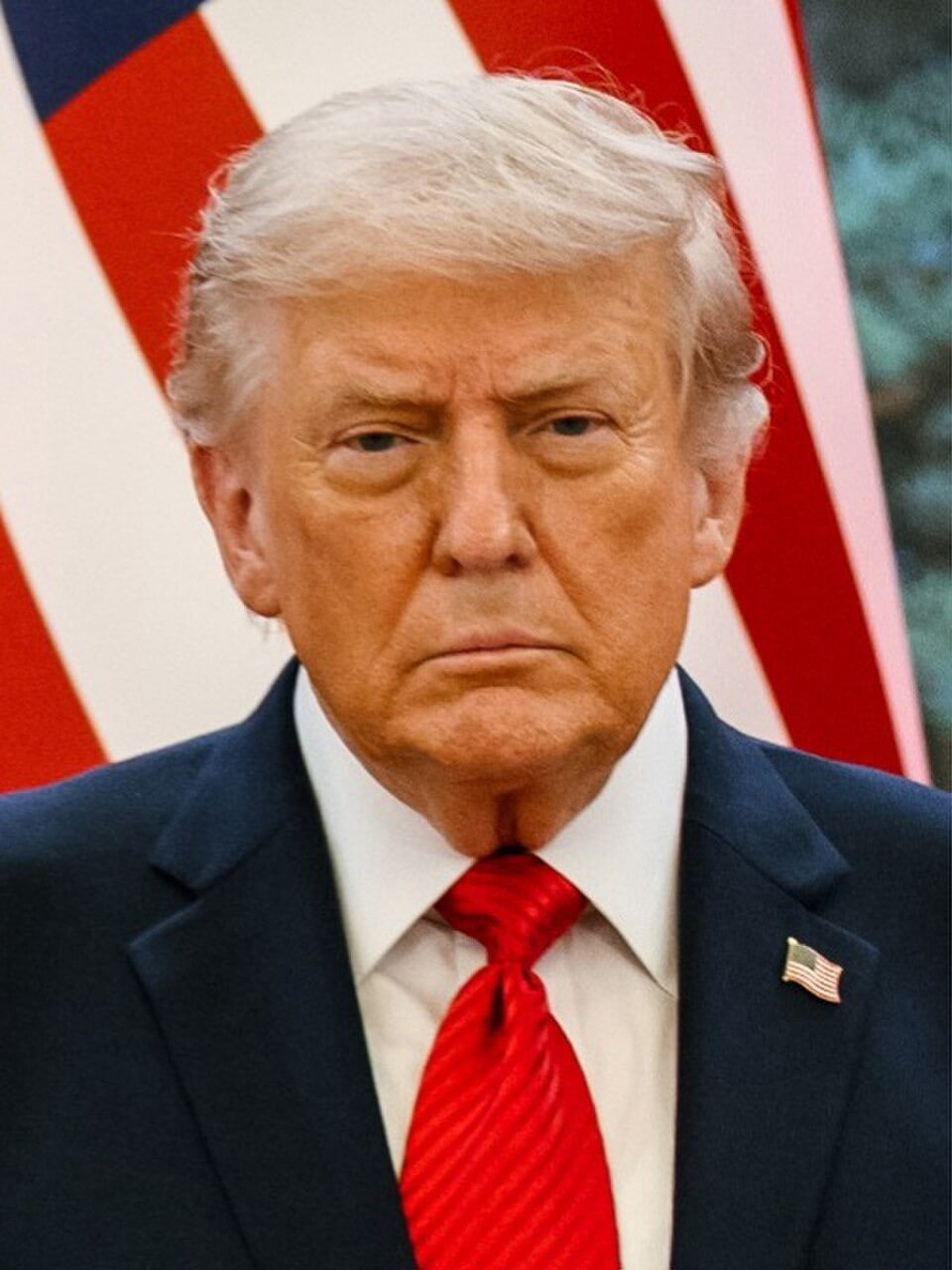
President Donald Trump rejected the Iranian account outright. “The terms that Iran leaked out to the Fake News have NOTHING to do with the terms that were agreed to, in writing,” he wrote on social media. “What they said, including their weak and pathetic statement on having a deal, bears no relation to the truth. Very dishonorable people to deal with.”
Vice President JD Vance, who has been named as the likely US signatory for a proposed signing ceremony, moved to reassure sceptical Republicans that Washington had not capitulated. “I’m seeing a lot of fake information about a potential deal to reopen the Strait and end Iran’s nuclear weapons program,” he wrote on X. “First, the Iranians are not receiving any cash, and no funds are being released for simply signing a deal or attending a meeting. The deal is structured to ensure that the US and its allies’ concerns are prioritized, and that if the Islamic Republic of Iran meets its obligations, then economic benefits will flow to them and to the entire region.” He added that the agreement had “the potential to remake the region and lead to lasting peace.”
A senior Trump administration official offered CBS News a competing account of the deal’s substance, describing it as a “performance-based deal” under which no funds would be released until Iran honoured its commitments. Under that version, Iran has reportedly agreed to the removal and destruction of its nuclear material, the dismantling of its nuclear programme, the reopening of the Strait of Hormuz, and a halt to funding for terrorist groups — a sharply different picture from the one presented in Iranian media, which described a 60-day extension of the current ceasefire during which Iranian assets would begin to be released, with half of the $24 billion made available before further negotiations on the remaining terms.
Iran’s Foreign Ministry has cautioned that the deal still requires formal approval from the Iranian government and has not yet been finalised on Tehran’s side.
Despite the public discord, both Washington and Islamabad continue to point towards a signing ceremony in Geneva, with US officials naming Vance as the intended signatory for a ceremony floated as early as this weekend. The dispute comes after a period of renewed hostilities in the region, with US Central Command launching what it called “self-defense strikes” against Iran earlier in the week following the downing of a US Army helicopter over the Strait of Hormuz, and Iran retaliating with strikes on US bases across Jordan and several Gulf states. Oil prices fell sharply on Friday after Trump said he had called off plans for further overnight strikes, with US crude slipping to $83.85 a barrel and Brent crude falling to around $86.
