



A potentially historic “super” El Niño is now under way in the tropical Pacific, with US scientists warning it could rank among the strongest ever recorded and push 2027 into contention as the hottest year the planet has experienced.
The US National Oceanic and Atmospheric Administration confirmed in May that El Niño conditions had emerged, after sea surface temperatures in the central and tropical Pacific crossed the 0.5C-above-average threshold used to define the phenomenon, with NOAA’s Climate Prediction Center placing the chance of the event reaching strong or very strong intensity by October at around 65 per cent. Forecasters have also observed winds above the equatorial Pacific beginning to shift — a sign the atmosphere is now responding to the warmer ocean rather than the warming occurring in isolation.
What has caught researchers’ attention is how confident the latest computer models already are about the event’s strength. The European ECMWF model’s May update reached 100 per cent probability of a “super” El Niño — defined as sea surface temperature anomalies exceeding 2C above average — a rate of intensification faster than the build-up to either the 1997-98 or 2015-16 events, according to specialist outlet Severe Weather Europe. Some models now project peak anomalies of more than 3C, which would place this event ahead of the 2015-16 super El Niño, the strongest in the modern instrumental record at 2.6C, and within range of the 1877-78 event, which coincided with devastating global famines.
The concern among scientists is not simply the El Niño itself, but what it adds to an already warming planet. “We do need to worry about the impacts,” said Professor Adam Scaife, head of monthly to decadal prediction at the UK Met Office. “The current El Niño is riding on top of a substantial amount of global warming. This means that the actual temperatures in affected regions could well be unprecedented, as the warming from El Niño is being topped up by climate change.”
A very strong El Niño typically lifts global air temperatures by around 0.2C as heat stored in the ocean is released into the atmosphere. The 2024 record-breaking year was driven by an El Niño that was not even especially strong, while 2025 — despite the cooling effect of a La Niña — still ranked as the third warmest year on record. “At the end of this year and into 2027, we’re likely to see very high temperatures globally,” Professor Scaife said. “In 2027, we’re likely to see excess heat on top of the global warming we’ve already got, and that could easily lead to another year above 1.5 degrees of warming above late-19th-century levels.”
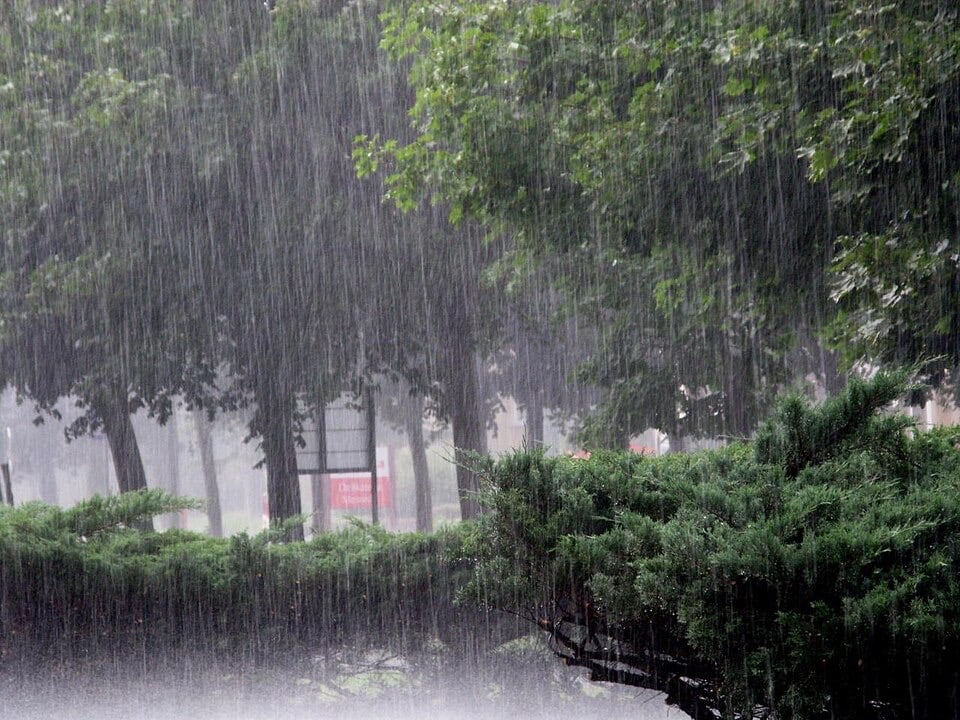
The disruption from El Niño is felt most acutely in the tropics. Flooding tends to increase in northern Peru, southern Ecuador, parts of East Africa, Central Asia and the southern United States, while the risk of drought and wildfire rises across Australia, Indonesia and northern South America, with knock-on effects for agriculture and global food supplies. NOAA’s seasonal outlook, published in late May, forecasts an Atlantic hurricane season with eight to 14 named storms and a 55 per cent chance of below-average activity, as El Niño’s wind shear suppresses storm formation.
Liz Stephens, professor of climate risk and resilience at the University of Reading, cautioned that a quieter hurricane season is not unambiguously good news everywhere. “While that sounds like a good thing, for Central America that leads to a lot less rainfall and potentially drought conditions,” she said.
Even Britain feels El Niño’s influence, albeit faintly — the pattern can tilt the odds towards a milder start and colder end to winter, though the link is loose and far from guaranteed.
For some, the forecast carries a much heavier weight. “An El Niño declaration is not just another weather forecast — for millions of people it is a deadly siren to be feared,” said Mohamed Adow, director of campaign group Power Shift Africa. “It means failed rains, dying crops, rising food prices, and families pushed to the edge yet again. In East Africa especially, this will land on communities already battered by droughts and floods in recent years.”
Japan’s Meteorological Agency has reached a similar conclusion to NOAA, judging El Niño conditions to be present and almost certain to persist into autumn. Australia’s Bureau of Meteorology, which applies a stricter 0.8C threshold, said this week the tropical Pacific was “approaching El Niño conditions” but stopped short of formally declaring the event had begun, while expecting it to develop later this year and potentially reach significant strength.
El Niño events occur naturally every two to seven years and typically last around twelve months. Scientists stress there is no conclusive evidence that climate change is making El Niño events themselves more frequent or intense — but in a warmer world, the effects of any given event are increasingly likely to be amplified.
