



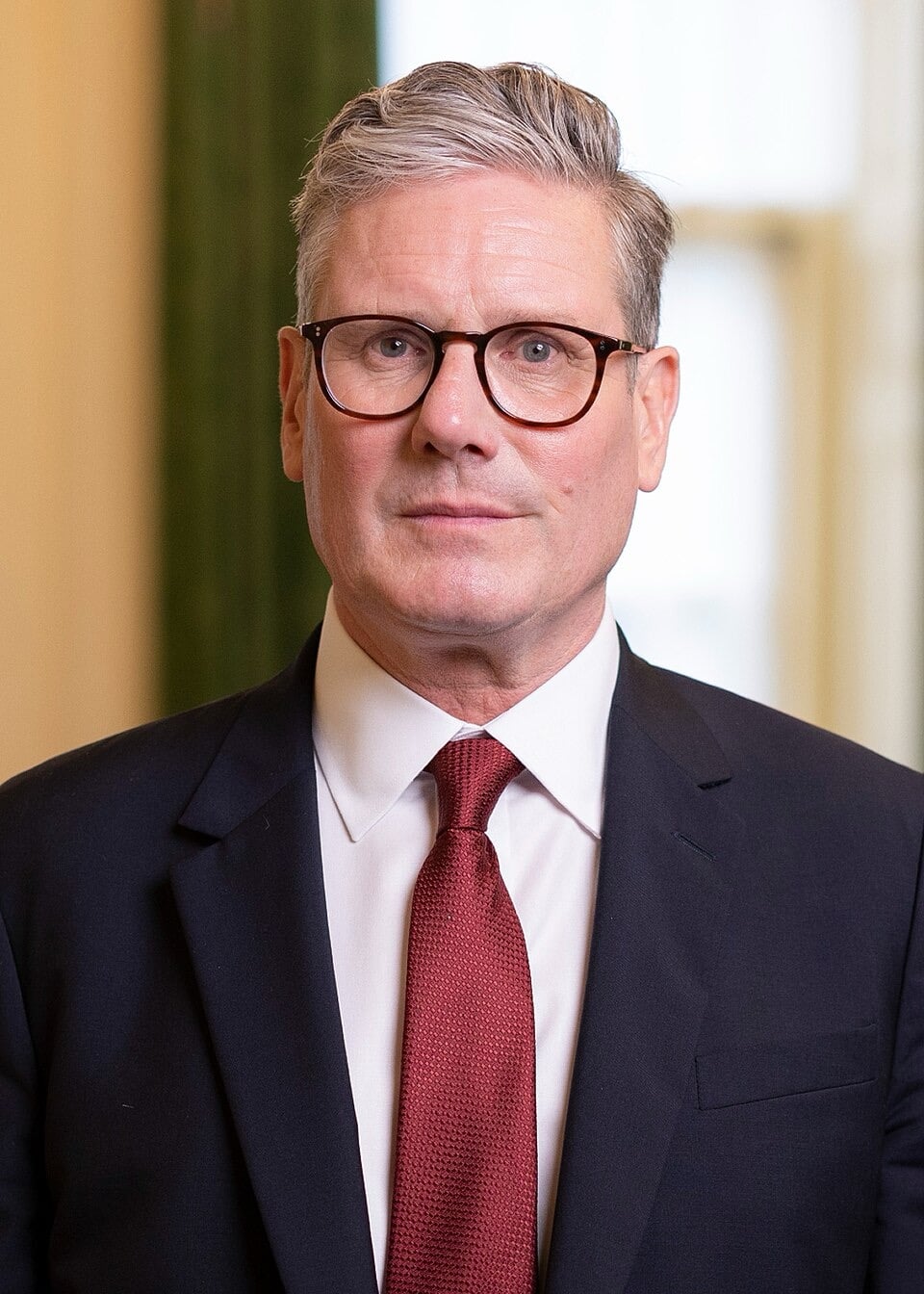
Sir Keir Starmer has issued a direct ultimatum to technology companies operating in the United Kingdom: introduce device controls to prevent children from sending and receiving sexually explicit images — or face new legislation forcing them to do so.
The Prime Minister made the warning in a speech focused on artificial intelligence and the digital economy, drawing a sharp line between the government’s enthusiasm for technological innovation and its willingness to act against companies that fail to protect children. “If they choose not to, then we will act, and we will change the law,” Starmer said. “Standing by is not an option.”
The threat came alongside a direct reference to X, Elon Musk’s social media platform, which Starmer accused of allowing its AI tool Grok to generate what he described as “disgusting” and explicit AI images earlier this year. “We took them on,” he said, warning that other tech companies operating in Britain should expect the same response if they fall short on child safety. “The pace of change cannot be an excuse for harm.”
Beyond the warnings, the speech was also the vehicle for a series of new government announcements aimed at harnessing artificial intelligence for public benefit. Starmer said AI tutors would be rolled out to 450,000 children on free school meals to help close the attainment gap — one of the most significant AI education initiatives announced by the government to date. He also unveiled a new AI job tool designed to help unemployed people find work, create CVs and navigate their route back into employment.
The Prime Minister framed the broader moment as one of historic significance, returning repeatedly to what he described as Britain’s unique opportunity to lead a technology revolution as the world’s third-largest technology economy. He pointed to Warrington as a symbol of what that transition could mean in practice — a long-running soap factory now being converted into an AI data centre, creating skilled jobs in a community that had previously been left behind by deindustrialisation. “Young people can look at that site and see not what their community used to be but what it can become,” he said.
Starmer said half of all European technology investment this year was flowing into the United Kingdom, and that the government had simplified regulations, created a global talent task force and unlocked investment to give technology companies the conditions they need to grow. He acknowledged that worries about jobs and child safety were legitimate, but argued they could not be used as reasons to slow the pace of change — only as reasons to shape it more carefully.
“We’re on the precipice of something truly extraordinary,” he said. “The question is what kind of country we want to be as it unfolds — whether we shape the change, or allow it to shape us.”
