



Politico’s survey found 38% would hold the president responsible for an increase. Prices have fallen sharply in recent weeks but remain above pre-war levels, and experts say relief at the pump could take months.
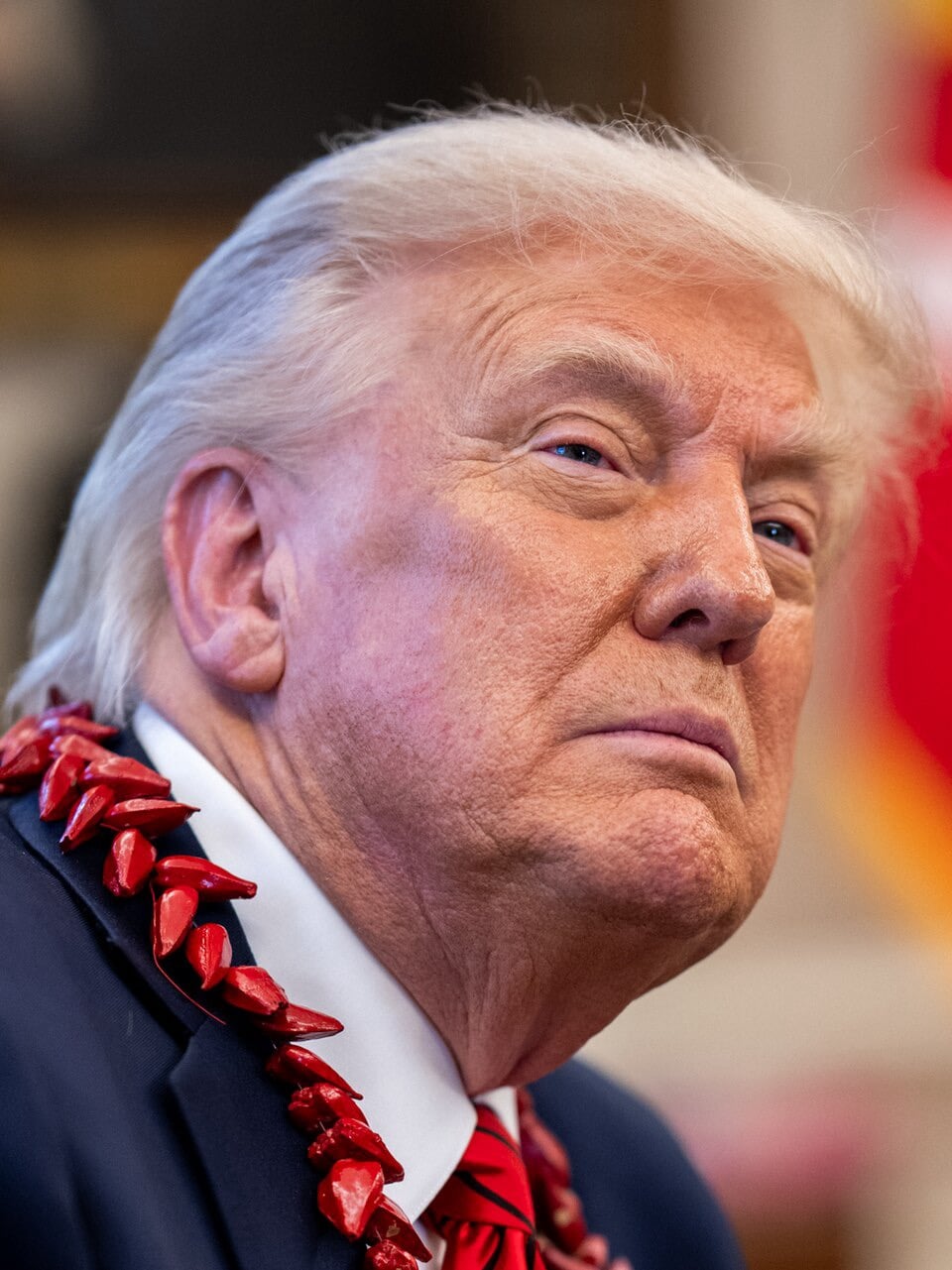
Americans would hold President Donald Trump responsible if petrol prices rise over the next six months, according to a new Politico poll, even as Democrats prepare to take control of both chambers of Congress in January. Some 38% said they would blame Mr Trump for an increase, against 20% who would blame the Democratic-controlled Congress and 24% who would blame both. If prices fall, 38% would credit Congress and 20% Mr Trump. The national average is $3.58 a gallon, up from $2.98 before the Iran war began.
What the poll found
The partisan divide was stark. Democrats were more likely to credit Congress for lower prices and blame Mr Trump for rises, and Republicans showed the opposite pattern. More than 60% of Democratic midterm voters said they would give Congress credit if prices fall. Overall, 57% of Americans expect the new Democratic-controlled Congress to accomplish a great deal or a fair amount over the next two years, rising to 76% among Democratic voters.
Democrats are poised to hold 56 Senate seats to Republicans’ 44, and 259 House seats to the party’s 173. Fuel costs and the cost of living more broadly were major concerns in the midterms, where Democrats won in a string of Republican-leaning states.
The poll measures who Americans expect to credit or blame. It does not show whether the president or Congress will actually influence future prices. The full questionnaire, sample size, fieldwork dates and margin of error have not been verified.
Where prices stand
Petrol prices surged after the Iran war broke out in February, driven largely by closures in the Strait of Hormuz, a vital shipping route for oil. The AAA motoring organisation said the national average on Wednesday was $3.58 a gallon, compared with $2.98 two days before the conflict began. The average has fallen by about 70 cents over the past month, and CNN calculated a 56-cent fall in the first 24 days of November, the largest November decline in AAA’s data.
AAA said every state recorded lower prices over the past week, but all remain more expensive than a year ago, with the national average about 55 cents higher. Ohio saw the biggest monthly fall, at $1.42 a gallon, and Hawaii the smallest, at seven cents. On 24 November, Hawaii averaged $5.59, California $5.44 and North Carolina $2.97, a gap of more than $2.60. The national diesel average was around $5.80, down from a September record of $6.53 but well above about $3.78 a year earlier.
How long relief could take
Industry experts have warned that prices could take time to ease even if the war ended immediately. Jaime Brito, of Dow Jones Energy, said that if traders were convinced the conflict was over, crude oil could fall by as much as $20 a barrel “in the next two, three days from the announcement”. Relief at the pump would be slower, he said, because diverted ships would have to return to their usual routes through the Strait of Hormuz, potentially creating backlogs, and the oil would then have to be refined and delivered. Jorge León, of Rystad Energy, said crude could take about six months to return to pre-war levels, with petrol and diesel following one or two months later, if the recovery goes smoothly.
JPMorgan has identified renewed military escalation involving Iran as its main post-midterm risk, warning in a note on 24 November that hostilities could resume as early as December and temporarily push oil higher. That is a risk scenario and not a forecast. US crude output was about 14.03 million barrels a day in the week to 13 November, at or near record levels, according to figures cited by AAA.
The cost to drivers
GasBuddy estimated Americans would spend about $980m more on petrol over the five-day Thanksgiving travel period than in 2025. AAA expects 72.9 million people to travel by car, down from 73.1 million last year, and partly attributed the fall of about 200,000 to high fuel prices in August, September and October.
Brown University’s Costs of War research estimates American consumers have spent an extra $165bn on petrol and diesel since the conflict began, around $1,300 per household. These are modelled estimates of extra spending, not payments to the government.
The White House said on Tuesday that Mr Trump had predicted prices would fall and that families were benefiting ahead of Thanksgiving.
Earlier polling
A Reuters/Ipsos survey in May found 75% of Americans attributed at least a fair amount of responsibility for rising petrol prices to the Trump administration, including 78% of independents. It also found 86% attributed responsibility to the Iran conflict and 73% to oil and gas companies. Respondents could name more than one party, so the figures are not competing choices. That poll asked about actual rises and not hypothetical ones.
A post-election survey of 1,778 people in competitive congressional districts, commissioned by the League of Conservation Voters and carried out by Hart Research between 26 October and 6 November, found 64% believed Mr Trump’s policies had worsened energy prices for consumers. Because it was commissioned by an advocacy group and surveyed a different population, it is not directly comparable with the Politico poll.
