



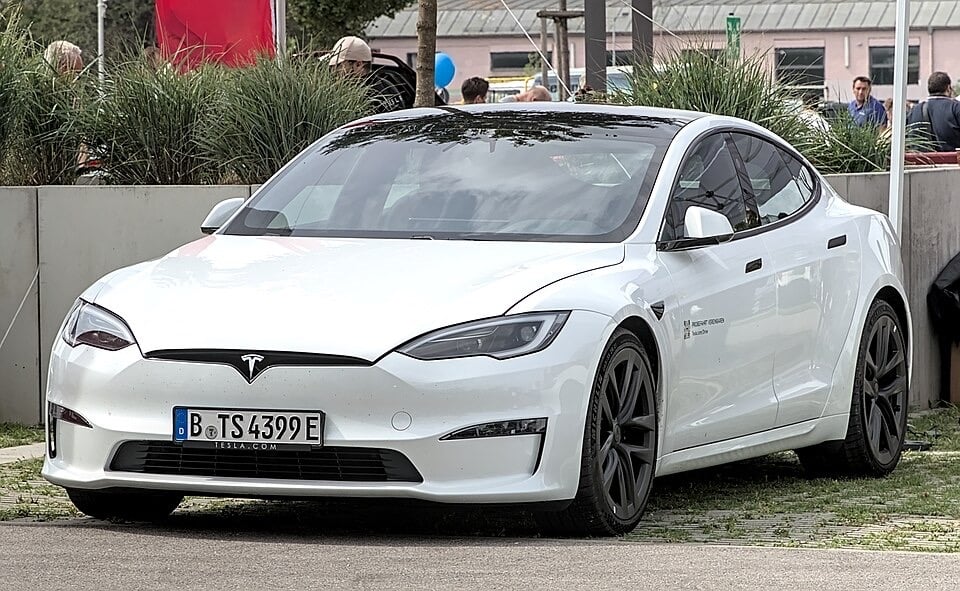
Older Tesla models are proving far more troublesome for owners than any other used electric vehicle on Britain’s roads, according to new data shared exclusively with the Daily Mail and This is Money. Figures from used warranty provider Warranty Solutions Group (WSG) show the Tesla Model S tops the list for repair claims, with more than a third of owners forced to make a claim within the space of a year.
According to WSG’s data, 34.8 per cent of Tesla Model S owners filed a warranty claim between May 2025 and April 2026, with the average repair costing £1,012. The saloon, which first arrived on UK roads in 2014, comfortably tops the list of least reliable used electric vehicles analysed in the report. Tesla’s larger SUV, the Model X, fared little better, ranking third overall with 29.2 per cent of owners making claims averaging £647 since the model launched in Britain in 2016.
Not just a Tesla problem
Tesla was not alone near the top of the list. Two Mercedes models also featured prominently, with the EQV people carrier recording a 33.3 per cent claim rate at an average cost of £697, and the EQB SUV posting a 25.7 per cent claim rate averaging £352 per repair. By contrast, the Renault Zoe, sold in the UK between 2012 and 2023, emerged as by far the most dependable used EV in the study, with just 1.5 per cent of owners making a claim, averaging only £130 each. That gap means owners of the pricier Model S were 23 times more likely to need their warranty than those driving a Zoe.
The battery isn’t to blame
Perhaps the most notable finding in WSG’s report is what’s actually going wrong with these vehicles. According to the data, mechanical and electrical components are responsible for the majority of repair claims on used EVs, rather than the high-voltage batteries that many buyers worry about most. Battery failures were found to be relatively uncommon, with the bulk of claims instead relating to issues such as suspension, steering, air conditioning, electrical systems and onboard electronics.
How the data was gathered
WSG’s findings are drawn from around 2,500 warranty claims involving electric vehicles, covering hundreds of thousands of used car owners with extended warranties across Britain. To ensure the comparisons were meaningful, the firm only included models with a minimum sample size of 50 claims recorded over the past year.
What it means for used EV buyers
For anyone shopping for a used electric car, the report suggests suspension, braking, steering and electronic systems deserve closer scrutiny than the battery itself, given how much more frequently these components tend to require repair. At the same time, the findings offer some reassurance to prospective buyers concerned about battery degradation, suggesting that outright battery failures remain far less common than many motorists assume, particularly in vehicles that have been well maintained.
