



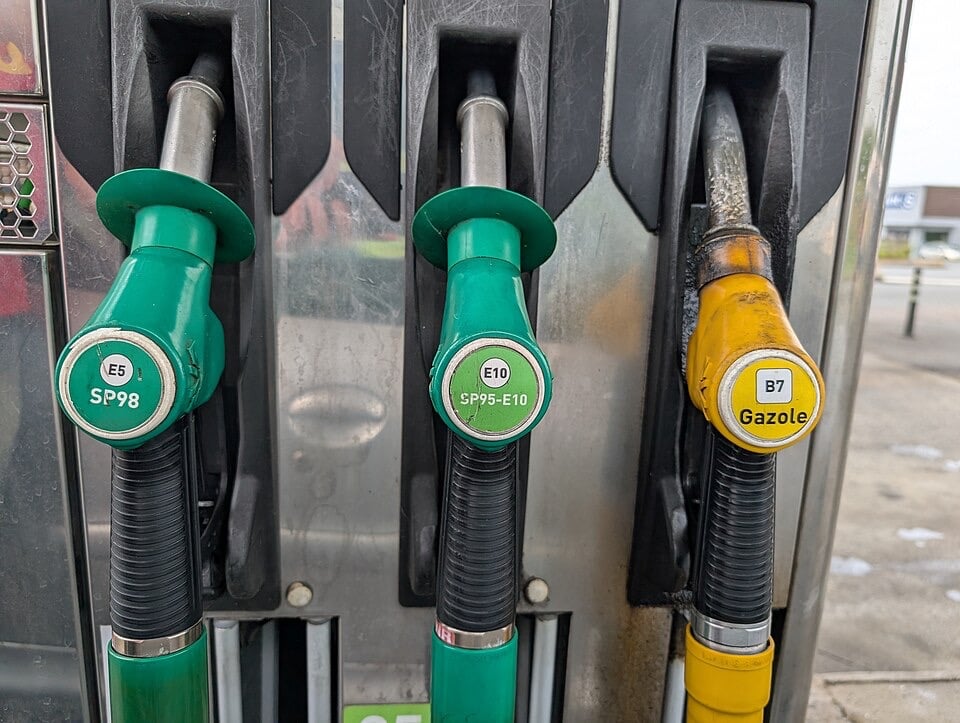
Motorists are being warned that petrol and diesel prices are on the way back up, just weeks after drivers enjoyed the biggest monthly fall in diesel costs on record. Fresh US strikes over the weekend, launched in response to an Iranian attack on a container ship in the Strait of Hormuz, look set to reverse the recent price relief at UK forecourts.
Fuel prices had fallen sharply through June, with drivers benefiting from lower oil prices as ceasefire talks in the Middle East raised hopes of easing tensions. Diesel alone dropped by 17p a litre last month, the largest single-month fall on record. That respite now looks short-lived, however, after renewed US-Iran conflict over the weekend triggered a fresh rise in wholesale costs, with petrol and diesel prices both expected to creep upward at the pumps in the coming days.
What drivers are paying now
Petrol averaged 151.0p a litre over the weekend, up from a six-week low of 150.7p the previous Monday, while diesel edged up more gradually, from 164.8p to 164.9p, remaining just below the 165p mark. Only Northern Ireland, the North East, and Yorkshire and the Humber currently have average petrol prices below 150p a litre. The increases stem from a rise of 3p to 4p a litre in wholesale petrol costs since the last week of June, while wholesale diesel costs have climbed by more than 6p a litre over the same period, with Russia’s ban on fuel exports adding further pressure to diesel prices specifically.
A volatile few months at the pumps
The renewed conflict between the US and Iran has driven significant swings in UK fuel prices since it began. Petrol and diesel both hit highs of 159.0p and 192.4p a litre respectively in April, before falling back as a ceasefire appeared possible. When those negotiations broke down, petrol climbed again to 159.7p in May. Prices then eased through June and into July, with petrol falling to 150.7p at the start of last week and diesel dropping from 184.4p in late May to its current level of 164.9p a litre.
Luke Bosdet, the AA’s spokesman on pump prices, said the latest increases were catching drivers off guard just as the summer holidays approach. “Despite more than a penny coming off the average price of petrol over the past fortnight, drivers across the UK now face new increases heading towards the start of the summer holidays,” he said. He also pointed out that prices would be even higher without government intervention. “It’s always in the back of people’s minds that current pump prices would be 6p a litre worse were it not for the fuel duty cut,” Bosdet added, noting that costs remain well above pre-Covid levels, when petrol and diesel stood at 142.5p and 147.9p respectively in April 2012, and that the volatility itself is a source of frustration for drivers.
Simon Williams, fuel price spokesman for the RAC, echoed the warning, saying the recent savings could evaporate quickly. “Drivers embarking on their summer getaways may well see slightly higher forecourt prices again, with both petrol and diesel likely to go up a couple of pence a litre more in the next week or so,” he said, adding that “the fate of pump prices here in the UK once again rests on whether there are further attacks between the US and Iran.”
Rising prices fuelling switch to electric
The unpredictability of petrol and diesel costs appears to be accelerating the shift towards electric vehicles, according to new government data. The Department for Energy Security and Net Zero has begun separating road vehicle electricity consumption from transport figures as a whole, revealing a 30.7 per cent rise in power use by road vehicles between 2024 and 2025, followed by a further 28.1 per cent increase in the first quarter of this year alone.
That trend is reflected in new car registrations. The Society of Motor Manufacturers and Traders (SMMT) reported 213,166 new car registrations last month, an 11.4 per cent rise on the same month last year and the strongest June since 2019. Pure battery electric vehicles accounted for 30 per cent of those sales, up from 24.8 per cent a year earlier, a figure the SMMT described as “significant”.
What it means for household budgets
Bosdet said the AA now estimates that filling a typical 55-litre family car costs around £83 with petrol and £91 with diesel, with both figures expected to rise further if wholesale costs keep climbing. The RAC has cautioned that motorists may not yet have felt the full effect of the latest wholesale increases, since changes typically take around two weeks to filter through to forecourt prices.
With the busiest summer travel weekend of the year approaching, as millions of drivers take to UK roads for the school holidays, the RAC is urging motorists to make use of fuel price comparison tools. The organisation has previously found price differences of as much as 27p a litre between filling stations only a short drive apart, suggesting shopping around could deliver meaningful savings even as prices rise more broadly.
