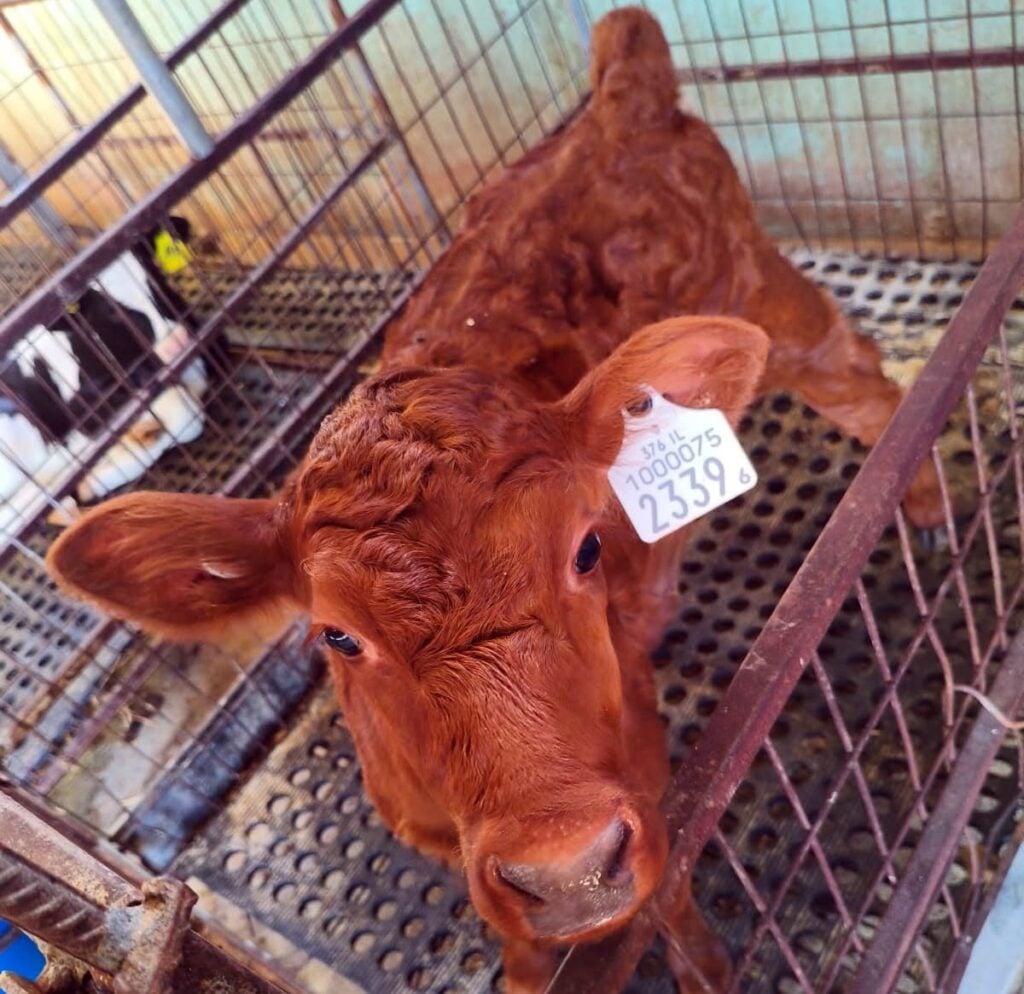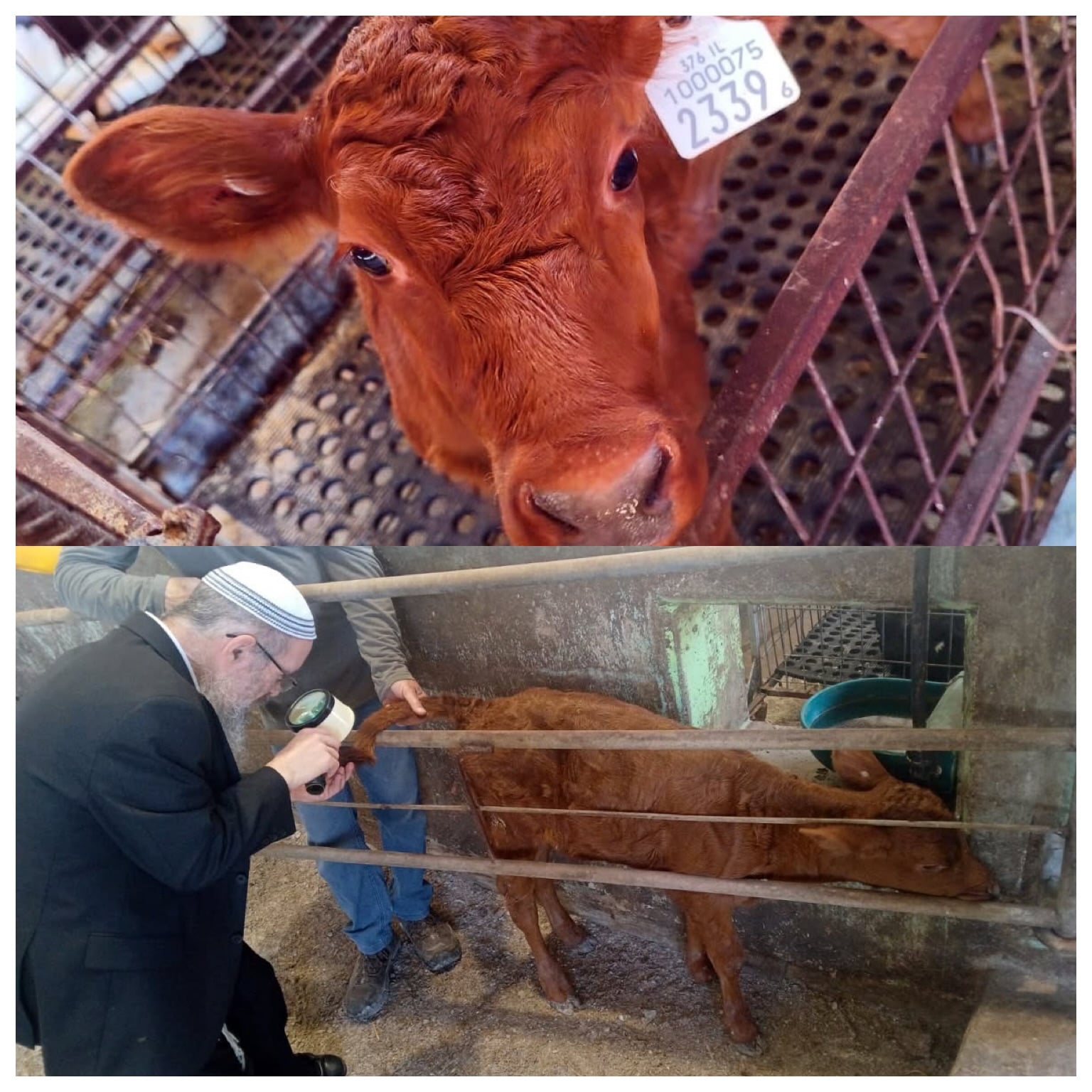
A red heifer calf born on a dairy farm in Israel’s Galilee Mountains is drawing international attention from rabbinical scholars and researchers focused on biblical Temple law, after examination found the animal unusually pure in coloration and free from the physical defects that would typically disqualify it.
The National Institute for Red Cow Research, in a report shared by the Temple Institute, announced the birth of the calf, named Tamima, describing the result as unusual given that crossings between dairy cattle and the Red Angus breed used in the insemination typically produce black or dark-coloured offspring. Rabbi Azaria Ariel, a member of the research team and a longstanding scholar of the red heifer commandment, examined the calf and found her “pure in her redness.” Researchers also noted that a minor ear deformity caused by an identification tag placed shortly after birth was healing, which they considered encouraging.
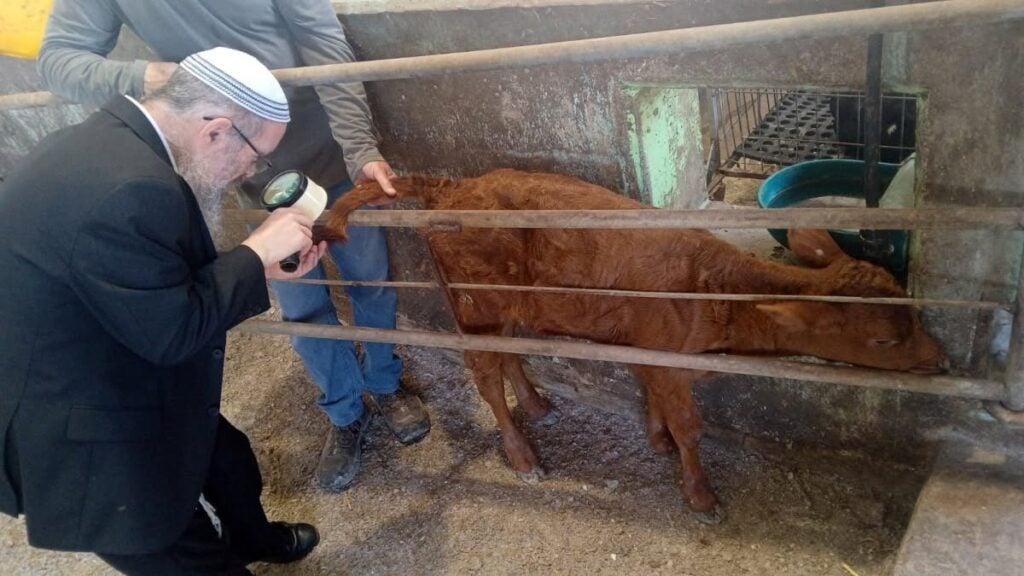
The religious significance attached to a qualified red heifer stems from the biblical book of Numbers, chapter 19, which prescribes the use of a red heifer’s ashes in a purification ritual considered necessary for certain forms of Temple worship. The Temple Institute and associated organisations have for years been preparing what they describe as the groundwork for a future Third Temple in Jerusalem, including the recreation of Temple vessels and the training of priests in ancient rites. The red heifer has long been identified by these groups as one of the most significant remaining requirements for the restoration of those practices.
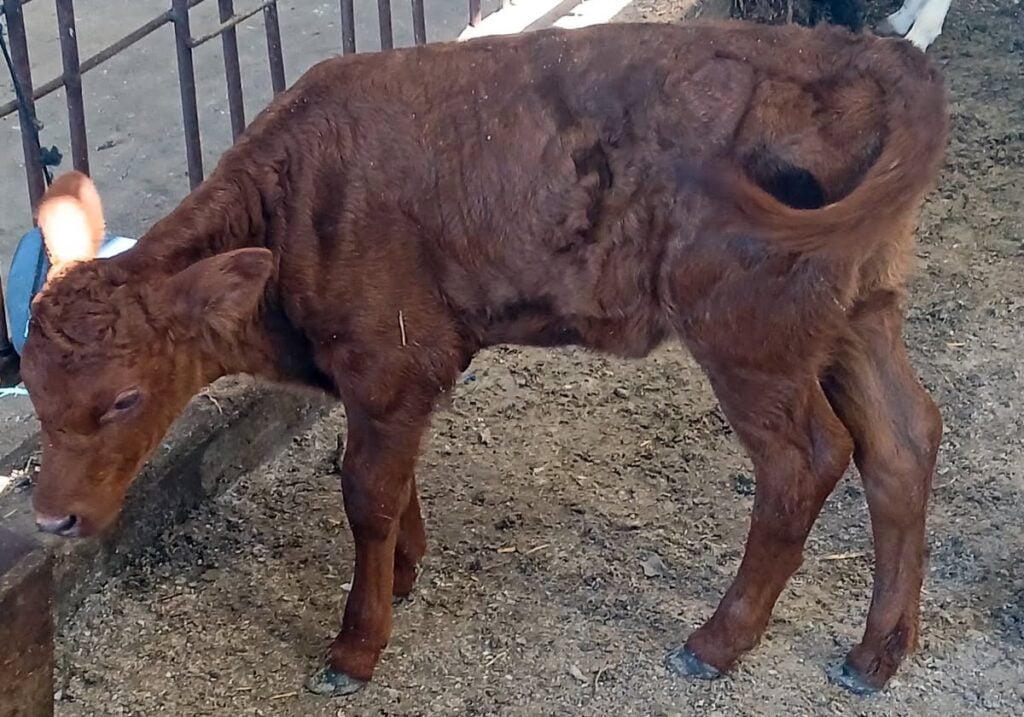
The rarity of a qualifying animal makes any credible candidate newsworthy within these communities. Completely red calves are uncommon, but researchers note that the greater challenge is raising a heifer to maturity without developing disqualifying white hairs or physical defects. Tamima’s status will remain subject to ongoing rabbinic examination as she matures, with particular attention to her ear where the tag was placed and later removed.
The institute also addressed the absence of a Sanhedrin, the ancient Jewish governing body that historically oversaw Temple matters, noting that scholars within the research team believe broad public and rabbinic support should still be pursued in its absence. The researchers framed the red heifer’s emergence in symbolic terms in the context of Israel’s recent conflicts, writing that “perhaps today the red cow commandment is able to herald a national transformation from a period of pain and loss of a difficult war to a period of national prosperity.”