



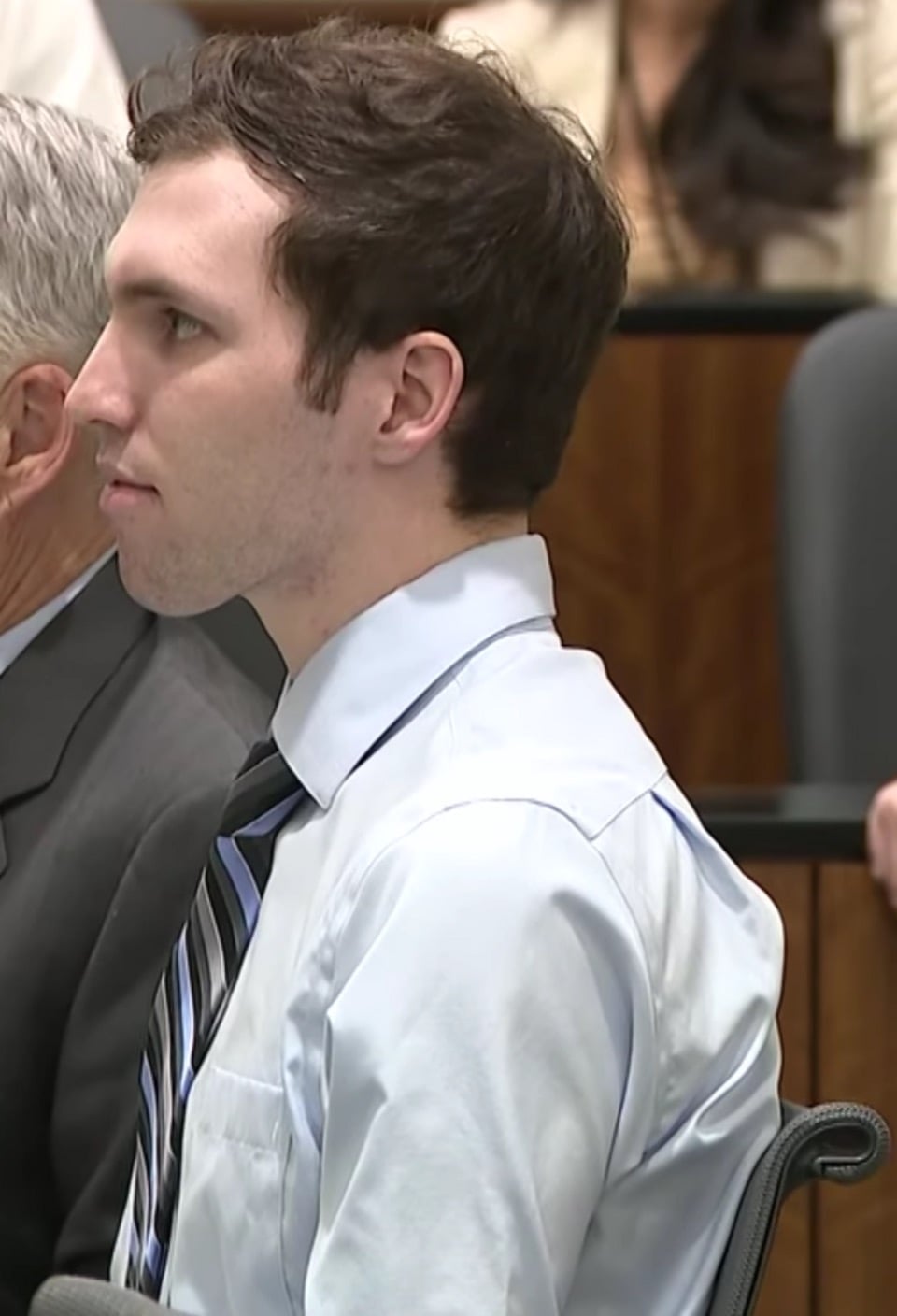
As prosecutors laid out DNA evidence, surveillance footage and a possible motive against Tyler Robinson at his pre-trial hearing in Provo, Utah, several theories floated by commentators including Candace Owens have started to unravel — though Owens remains defiant, predicting the conspiracy theorists will ultimately be vindicated.
Ten months after Charlie Kirk was fatally shot on camera at Utah Valley University, pre-trial hearings for suspected killer Tyler Robinson, 23, have begun testing a wave of conspiracy theories that emerged in the aftermath of his death. Prosecutors this week presented surveillance footage, DNA evidence and autopsy findings that appear to contradict several widely circulated claims, even as commentator Candace Owens and other online figures continue to voice scepticism about the official account. The hearings, taking place in Provo, will determine whether sufficient evidence exists for the case to proceed to a full trial, where prosecutors are seeking the death penalty.
Surveillance Footage Challenges Owens’ Central Claim
One of the most persistent theories, pushed repeatedly by Owens, a former Turning Point USA organiser and one-time close friend of Kirk’s, was that Robinson was not even present on campus when Kirk was shot. That claim came under early pressure when prosecutors presented surveillance footage they say shows Robinson climbing onto the rooftop from which the fatal shot was fired, taking up a sniper position, and leaving moments after Kirk was hit.
Owens remained unconvinced. Writing on X on Tuesday, she rejected the surveillance evidence, arguing that the figure shown in the footage stood “at least 6’2, possibly 6’3,” while Robinson is officially registered at 5’10. “I do not believe that is Tyler Robinson,” she wrote.
Autopsy Contradicts Exploding Microphone Theory
Owens has also claimed publicly that she does not believe Kirk was shot at all, suggesting instead that he was struck by an exploding microphone. That theory was directly addressed in court this week, when prosecutors presented findings from Kirk’s autopsy showing a medical examiner had formally concluded he died from a single gunshot wound to the neck. Owens dismissed the autopsy findings on X, maintaining her scepticism of both the medical evidence and the surveillance footage presented by prosecutors.
DNA and a Possible Motive
Beyond the surveillance footage, prosecutors expanded the forensic case against Robinson by presenting DNA evidence they say was found on the rifle recovered from the scene, on a towel wrapped around the weapon, and on a screwdriver also recovered from the rooftop. The state additionally outlined what it says was a possible motive, arguing Robinson targeted Kirk because of his conservative political and religious views, citing messages and statements gathered during the investigation. Robinson’s defence team pushed back on the forensic evidence, questioning the reliability of the FBI’s DNA testing and raising concerns about laboratory procedures, arguing such evidence should not be treated as conclusive.
Separately, an ATF report unsealed in April had found that bullet fragments recovered from Kirk’s body came back “inconclusive” when compared to Robinson’s rifle, a finding some conspiracy theorists seized on as evidence the suspect had been wrongly identified. Prosecutors say they intend to call a ballistics expert to explain that such results do not rule out Robinson’s weapon, since fired bullets can become too damaged for a definitive match. Separately, investigators testified that a handgun found in a backpack elsewhere on campus had been examined and found to have no connection to the shooting, after the defence raised questions about the discovery.
Investigative Gaps Fuel Fresh Questions
Despite the mounting evidence against Robinson, several moments during the first two days of hearings raised questions of their own about how the initial investigation was conducted. The prosecution’s opening witness, former Utah Valley special officer Chris Bagley, acknowledged that the battery on his body camera had died while he was searching the rooftop where Robinson allegedly fired the fatal shot. Bagley also admitted he never located a rifle case Robinson had allegedly carried onto the roof, could not identify a plainclothes officer who joined him at the scene, and did not submit into evidence an empty pistol holster he had seen lying in the amphitheatre where Kirk was killed.
Owens seized on the testimony, sharing a livestream of the moment on social media with the caption: “Our government thinks we are [Expletive]. They legitimately hate us.” Despite the broader body of evidence undercutting many of the theories in circulation, Owens signalled on Tuesday that she has no intention of backing down. “I’m feeling like those pesky conspiracy theorists are going to be proven right again,” she wrote, predicting that Robinson’s partner, Lance Twiggs — expected to give significant testimony during the hearings — would “be determined a federal asset who helped set Tyler Robinson up.” She further claimed that “no gun was ever fired from Losee — Charlie’s mic exploded,” and alleged that “multiple decoy boys wearing maroon shirts were crawling the campus that day.”
Other Theories Draw True-Crime Crowds to Provo
Owens is far from the only figure invested in alternative explanations for Kirk’s death. Podcaster Keli Rabon, who travelled from Houston to attend the hearings in person, told a New York Times reporter outside the courthouse: “You’re going to think I’m crazy, but I think Charlie is still alive,” explaining that she believes Kirk is running an elaborate “psy-op” alongside President Trump and other officials. Another attendee, Selena Armitage, told the Times she felt compelled to investigate the case herself, saying: “I don’t think we’ve even scratched the surface.” Both are among a wider community of true-crime enthusiasts and online streamers who have become deeply engaged with the case since Kirk’s death.
Other, more extreme theories in circulation — including suggestions implicating Kirk’s widow, Erika Kirk, or foreign governments — remain far removed from anything addressed in the evidence presented so far, and are unlikely to feature in the formal hearings. Erika Kirk has continued to attend the proceedings, present in court again this week as prosecutors laid out further evidence.
What Happens Next
The preliminary hearing continues as prosecutors work to establish whether sufficient evidence exists for the case to proceed to a full trial. Should the judge find that threshold has been met, Robinson will face trial on multiple charges, including aggravated murder, with prosecutors continuing to pursue the death penalty.
