



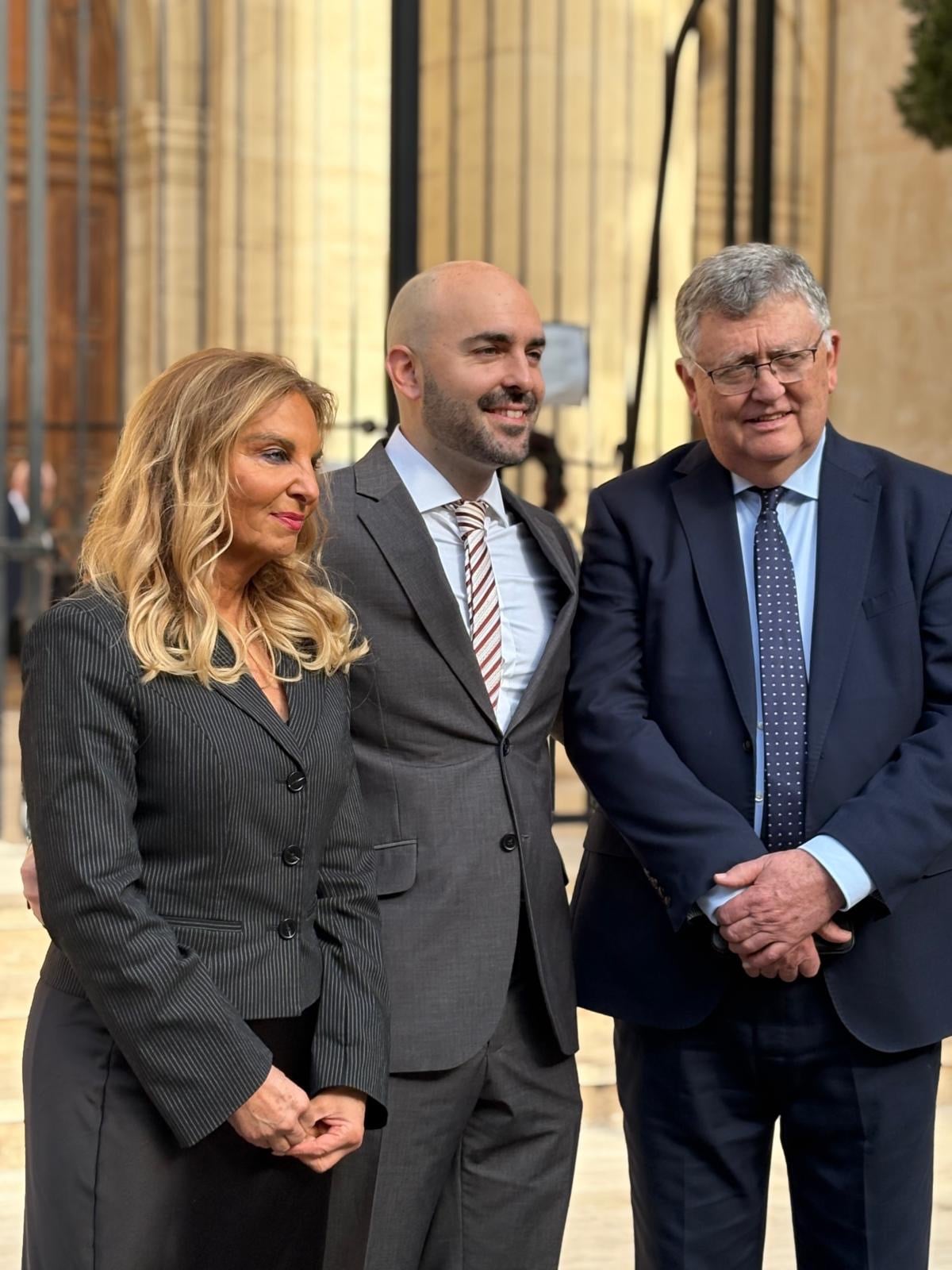
A General Synod fringe meeting exploring the government’s proposed “conversion therapy” ban will go ahead as a private discussion for Synod members, the Church of England has confirmed, after the Archbishops of Canterbury and York initially threatened to cancel it entirely following criticism from a fellow Synod member.
The Church of England has confirmed that a fringe event at this year’s General Synod in York, examining how the government’s proposed conversion practices ban could affect gospel preaching and Christian testimony, will be permitted to proceed as a private meeting for Synod members and invited guests. However, the Archbishop of Canterbury, Sarah Mullally, and the Archbishop of York, Stephen Cottrell, have refused permission for an associated public exhibition stand, saying a visible display would contradict Synod’s 2017 vote in favour of banning conversion practices. The decision follows a tense standoff after the Archbishops initially wrote to organisers threatening to cancel the event altogether.
An Event Built Around Personal Testimony
Titled “People Change: Sexual Identity Transformation,” the event is scheduled to feature Matthew Grech, Dr Mike Davidson of the International Foundation for Therapeutic and Counselling Choice (IFTCC), and Andrea Williams, chief executive of the Christian Legal Centre. According to organisers, the session is intended to explore what they describe as “neglected stories of the power of God to transform sexual identity,” and to examine why the government’s proposed legislation carries what they see as significant implications for Christian preaching, pastoral care and freedom of speech. Supporters of the event have warned that broadly drafted legislation could risk criminalising consensual prayer, conversations and pastoral support.
From Social Media Criticism to an Archbishops’ Warning
The controversy began after Rev’d Dr Charlie Bączyk-Bell, a Synod member, posted on Facebook and X describing the event as “this trash” and calling it “genuinely disgusting and astonishing” that it had been granted space at the Synod fringe. According to a report in Christian Today, a letter signed by 82 campaigners subsequently pressed the Archbishops to ban both the meeting and its accompanying exhibition stand, with the publication describing the pressure as an attempt to “weaponise safeguarding” in order to shut down debate at Synod. Shortly afterwards, organisers received a letter from Archbishops Mullally and Cottrell threatening to cancel the event.
Rebecca Hunt Defends the Meeting
Rebecca Hunt, the General Synod member hosting the event, pushed back firmly against the Archbishops’ intervention, arguing that safeguarding concerns must not be used to silence Christian testimony or debate on what she called “one of the most pressing gospel issues of our time.” She acknowledged the Archbishops’ concerns were “serious” and touched on “weighty truths expressed in scripture that pertain to matters of salvation,” while stressing that the Church’s doctrine on sexuality and marriage remains unchanged. “The Living in Love and Faith process did not result in any changes to the church’s doctrine,” she wrote. “The church’s teaching… is that sexual intimacy is reserved for one man, one woman marriage alone.”
On the specific concerns around conversion therapy, Hunt argued that neither Grech nor Davidson had undergone anything resembling coercive treatment, writing: “Neither Michael Davidson nor Matthew Grech underwent this kind of prayer, but both experienced positive, beneficial change. There is a great need for the Church to understand what kinds of pastoral support and counselling are helpful.” She warned that overly broad definitions of conversion therapy risked capturing ordinary church teaching and pastoral practice: “Given the extremely broad definitions of conversion therapy, ranging from electric shocks… through to consensual, gentle prayer or ordinary talk counselling, it would be foolish to assume that every possible form of support is harmful or a safeguarding risk.” She also criticised the description of Grech as “trash,” calling it “lamentable” that a Christian would be treated as a pariah by a fellow Synod member, and maintained there was “no safeguarding case” against the event, arguing: “Nothing about my event or the positions that would be promoted at it are inconsistent with the safeguarding of children or vulnerable adults.”
The Cases of Matthew Grech and Mike Davidson
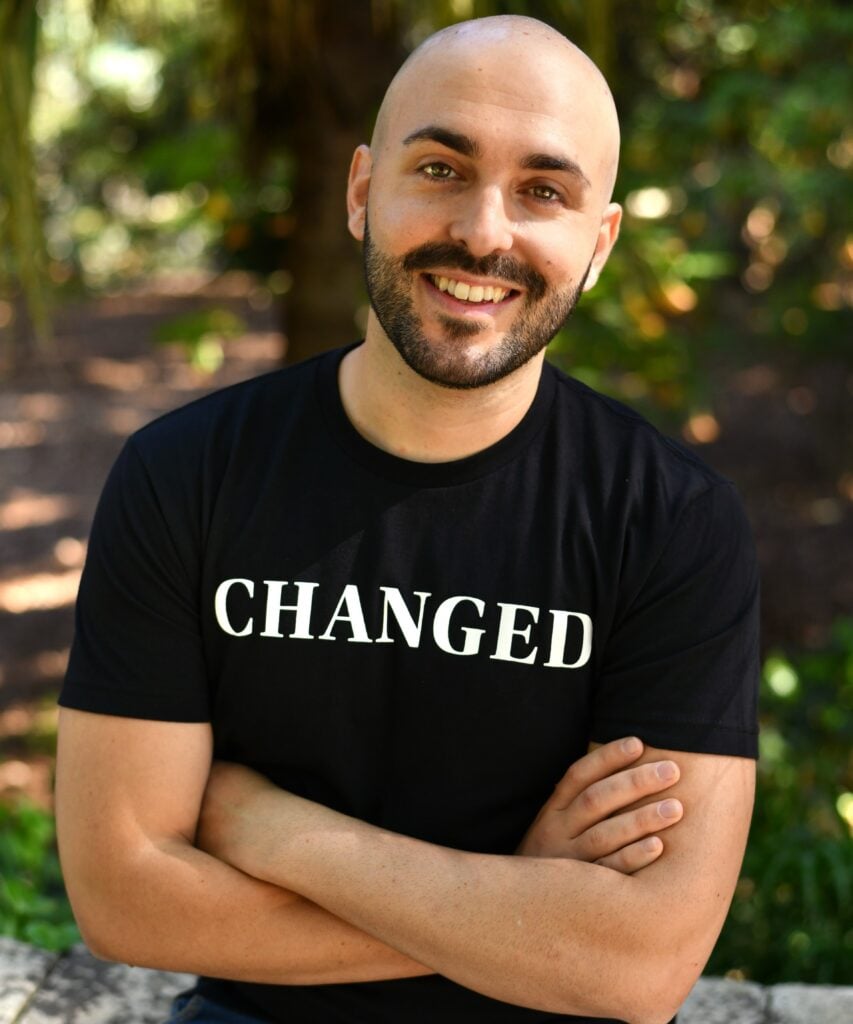
Central to the event are the personal stories of its two main speakers. Matthew Grech, a Maltese Christian and former X Factor Malta finalist, faced criminal proceedings in Malta after speaking publicly in a media interview about his Christian faith and his departure from a homosexual lifestyle. He was charged with “advertising conversion practices” under Maltese law, in what was reported to be the first case of its kind internationally. After more than three years of hearings, he was acquitted by the Magistrates’ Court in Valletta in March 2026, along with the journalists who had interviewed him. Following the verdict, Grech said he had committed no crime and had simply spoken about his life and his faith, adding that the ruling confirmed that describing personal transformation “is not a crime.”
Dr Mike Davidson, founder of Core Issues Trust and chairman of the IFTCC, has campaigned for adults to be free to voluntarily seek pastoral and therapeutic support around unwanted same-sex attraction. He and Core Issues Trust were at the centre of a prominent “debanking” case after Barclays closed accounts linked to the organisations in July 2020, following a social media campaign by LGBT activists, and after Davidson received multiple death threats. With support from the Christian Legal Centre, legal action was brought against Barclays, which agreed in 2023 to pay £21,500 in compensation plus legal costs, while denying liability. Christian Concern has cited the case as a significant example of the risks facing Christian ministries from coordinated deplatforming campaigns.
Andrea Williams: ‘Censorship of One of the Key Gospel Issues of Our Times’
Andrea Williams, chief executive of the Christian Legal Centre, condemned the initial threat to cancel the event as “an extraordinary and deeply concerning move by the Archbishops.” She said: “The gospel is about transformation. It is about lives changed by Jesus Christ. That includes men and women who testify that God has changed their identity, desires, behaviour and way of life.” She argued the episode showed activist pressure was being allowed to shape what Christians could discuss at Synod, adding: “This amounts to censorship of one of the key gospel issues of our times. If the Church cannot even hear the stories of people such as Matthew Grech, who was dragged through criminal proceedings in Malta simply for speaking about his Christian testimony, then something has gone very seriously wrong.” She pointed to Davidson’s experience with Barclays as a warning of where such pressure leads, saying it showed how “Christian ministries are deplatformed, debanked and punished because they refuse to conform to a state-approved ideology on sexuality and identity.” Williams called on the Archbishops not to let “safeguarding language be weaponised to shut down orthodox Christian teaching, pastoral care, testimony and debate.”
The Church of England’s Final Position
Responding to media enquiries, a Church of England spokesperson confirmed the outcome of the Archbishops’ deliberations. “A General Synod member has applied to host a Synod fringe meeting and related public display on ‘sexual identity transformation’ at the forthcoming General Synod meeting at the University of York. The organiser has made clear both will challenge the principles of a ban on conversion practices,” the spokesperson said. “Following careful consideration, the Archbishop of Canterbury and the Archbishop of York have informed the Synod member that their fringe meeting, as a private discussion for Synod members and invited guests, may go ahead as planned but has declined permission for the associated stand and public display.” The spokesperson added that Synod had voted by a large majority in 2017 in favour of a ban on conversion practices, and that a publicly visible display “would act as a public statement contrary to that stated position” and was therefore “not appropriate in the circumstances.”
