



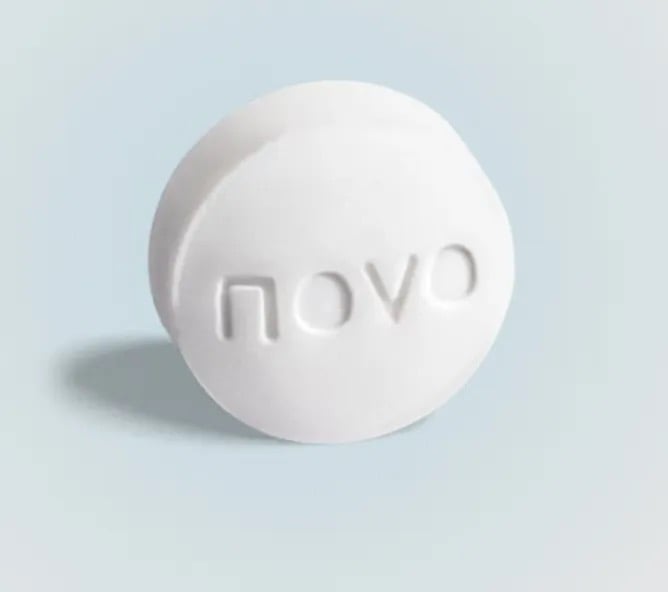
Thousands of Britons have begun receiving deliveries of the UK’s first oral GLP-1 weight-loss treatment, as Novo Nordisk’s Wegovy pill goes on sale through private pharmacies, though it remains unavailable on the NHS while regulators assess its cost-effectiveness.
The UK has become the first country in Europe to launch a daily Wegovy pill, with thousands of people receiving their first deliveries this week from Danish drugmaker Novo Nordisk. The tablet contains semaglutide, the same active GLP-1 ingredient found in the injectable Wegovy pen, and has shown similar effectiveness in clinical studies. It was approved by the UK’s medicines regulator, the Medicines and Healthcare products Regulatory Agency (MHRA), on 11 June, and can now be prescribed privately, though it is not yet funded on the NHS.
Who Can Take It
The pill has been licensed by the MHRA as the first oral GLP-1 treatment approved specifically for weight loss in the UK, offering a needle-free alternative to weekly injections. It is available to adults with a BMI of 30 or above, or 27 or above with at least one weight-related health condition, and must be taken alongside a healthy diet and exercise, following a private medical consultation. Treatment begins at a dose of 1.5mg once daily, before gradually increasing through 4mg and 9mg doses to a maximum of 25mg, with patients typically spending at least a month on each dose before progressing to the next.
The tablet comes with a strict routine that pharmacists say is essential to its effectiveness. It must be taken with a small amount of water on an empty stomach, after fasting for at least eight hours, with patients required to wait a further 30 minutes before eating, drinking or taking any other medication. Abdal Alvi, chief clinical officer at Simple Online Pharmacy, said: “The Wegovy pill is a major development because it gives patients another way to access semaglutide without self-injecting. But it is not a tablet you can simply take with breakfast or your morning coffee. The way it is taken has a direct impact on how well the medication is absorbed, so patients need to understand the routine from day one.” Doctors have echoed the warning, noting that food, drinks or other medicines taken too soon afterwards can significantly reduce how much semaglutide the body absorbs.
Not Yet Available on the NHS
Despite its private launch, the pill cannot currently be prescribed on the NHS, as it remains under assessment by the National Institute for Health and Care Excellence (NICE), which will determine whether it represents value for money for routine NHS funding. Novo Nordisk has said the tablet is intended to expand patient choice rather than replace its injectable pen, offering an option for those unwilling or unable to use injections.
Cost and Demand
Through private pharmacies, the Wegovy pill can work out at around £2.30 a day under some multi-month treatment plans, according to one online provider, with prices ranging from £69 for a month’s supply of the 1.5mg starting dose as part of a three-month bundle, up to £189 for the highest 25mg dose. By comparison, injectable Wegovy is priced between £79 and £250 a month depending on dose, while Eli Lilly’s rival injection, Mounjaro, costs between £54 and £300 a month.
Demand has been high ahead of launch, with online pharmacy Juniper UK reporting that tens of thousands of people had already joined its waiting list for an initial consultation. Pharmacists say the tablet offers a more convenient option for people who are uncomfortable with needles, travel frequently, or simply prefer a daily pill to a weekly injection. In clinical trials, patients taking the 25mg daily dose lost between 14% and 17% of their body weight over 64 weeks, depending on how closely they followed the treatment.
A Growing and Competitive Market
The launch adds to a rapidly intensifying market for oral weight-loss treatments. Eli Lilly launched its own pill, Foundayo (orforglipron), in early April, and the arrival of oral Wegovy is expected to sharpen competition between the two pharmaceutical giants as they race to expand their share of the growing obesity treatment sector.
Warnings Over Fake Pills
Alongside the launch, experts have warned the public to be cautious of counterfeit versions being sold online. Megan Rannard, of intellectual property law firm Marks & Clerk, said: “There are a large number of websites that falsely claim to be legitimate online pharmacies and that advertise medication to the public without a consultation or a prescription, and at very low prices. There is a risk that these types of websites will sell consumers counterfeit pharmaceuticals which present a clear public health risk, or that these websites are simply a front for other types of fraud or phishing scams.”
The most common side effects associated with the pill are gastrointestinal, including nausea, diarrhoea, constipation and vomiting. The MHRA has advised anyone experiencing side effects to speak to their doctor, pharmacist or nurse, and to report the issue directly through the regulator’s yellow card scheme.
