



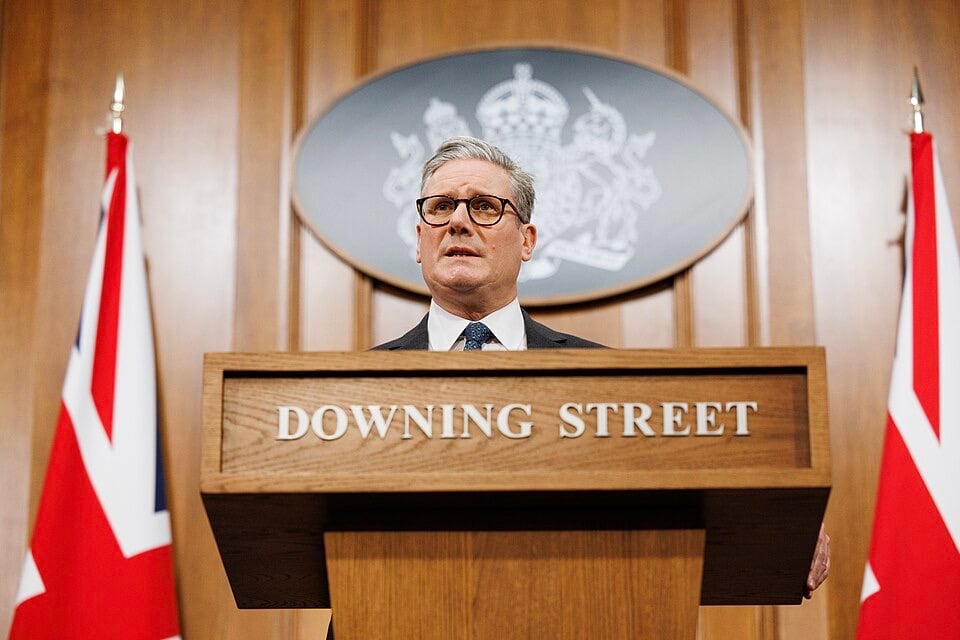
Sir Keir Starmer has announced his resignation as Prime Minister and leader of the Labour Party, setting out a timetable for a leadership contest that will see a new Labour leader in place before Parliament returns in September.
In a statement, Starmer said he had informed the King of his decision to resign and had asked Labour’s National Executive Committee to establish a timetable for a leadership election. Nominations will open on 9 July and close on 16 July, before the summer parliamentary recess, ensuring a new leader is in place when Parliament returns in the autumn.
Before announcing his departure, Starmer ran through what he described as the achievements of his tenure, citing a stronger economy growing faster than its peers, wages rising above inflation every month since Labour came to power, investment secured, infrastructure built and an end to austerity. He also pointed to what he described as the fastest fall in NHS waiting lists for 17 years, the biggest improvement in workers’ and renters’ rights in a generation, the largest increase in defence spending since the Cold War, falling small boat crossings, asylum hotel closures, new protections for young people on social media and half a million children lifted out of poverty.
“The biggest uplift in defence spending since the Cold War. Small boat crossings falling, asylum hotels closing, protecting young people from social media and half a million children being lifted out of poverty because of the choices that I made,” he said.
The resignation brings to an end Starmer’s tenure as Labour leader, a role he has held since April 2020, and as Prime Minister since Labour’s landslide general election victory in July 2024. The leadership contest is expected to see Andy Burnham, who returned to Parliament this week following his victory in the Makerfield by-election, as a leading contender.
