



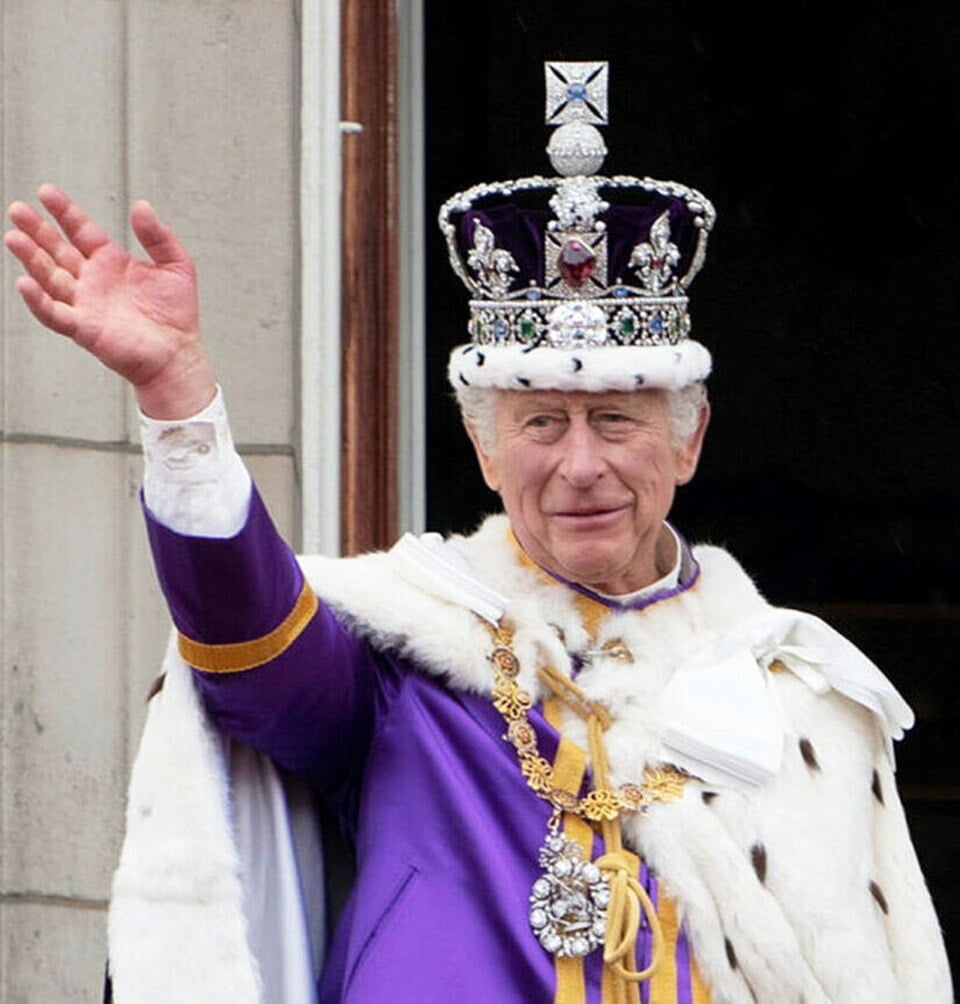
King Charles has quietly but significantly redrawn the official definition of what it means to be Britain’s monarch, updating his palace job description to include protecting faith across a “multi-faith nation” — a shift that reflects his decades-long commitment to religious diversity and interfaith understanding.
The new wording appears in the Sovereign Grant report 2025-26, the annual document setting out the Royal Family’s finances, and represents a clear break from how the Crown has previously defined itself. Where last year’s report described the King as “Head of the Church of England and Defender of the Faith,” this year’s version reads: “His Majesty is Supreme Governor of the Church of England and protects the space for Faith within the multi-faith nation.”
It is a subtle but meaningful change. Before his coronation, there was widespread speculation about whether Charles would choose to be crowned “Defender of Faith” — dropping the definite article to signal a broader embrace of all religions — rather than the traditional “Defender of the Faith” used by every monarch before him. He ultimately chose the traditional wording when the moment came, but the revised palace description suggests he is now making his broader religious vision official through the back door of the annual financial report.
Interfaith engagement has run through Charles’s public life like a thread. Long before he became King, he was meeting with Muslim scholars, attending Jewish ceremonies, visiting Sikh gurdwaras and speaking publicly about the shared values of the Abrahamic faiths. As King, those engagements have continued and intensified, with Charles frequently positioning himself as a bridge between Britain’s many religious communities.
The contrast with his mother is striking. Queen Elizabeth II’s official description in the Sovereign Grant reports was crisp and traditional: “Supreme Governor of the Church of England” and “Head of the Armed Forces.” The King’s version replaces that military dimension with the gentler phrase that he “provides pastoral support to our Armed Forces” — another quiet but deliberate shift in tone.
Beyond the faith language, the report paints a broader picture of how Charles sees his role, describing him as a “catalyst for charitable action,” someone who recognises the “degradation of nature,” and a figure focused on “fostering a sense of pride, continuity and stability, whilst strengthening the UK’s social fabric and cohesion, particularly at key moments in national life and in times of both celebration and tragedy.”
The same document also revealed that the King paid £12.9 million in tax in 2024-25, putting him among the top 100 taxpayers in the country that year. And it confirmed that Charles and Queen Camilla will not move into Buckingham Palace once its £369 million refurbishment is finished — a decision that drew approval from 66 per cent of the British public in a snap YouGov poll published on Friday.
