



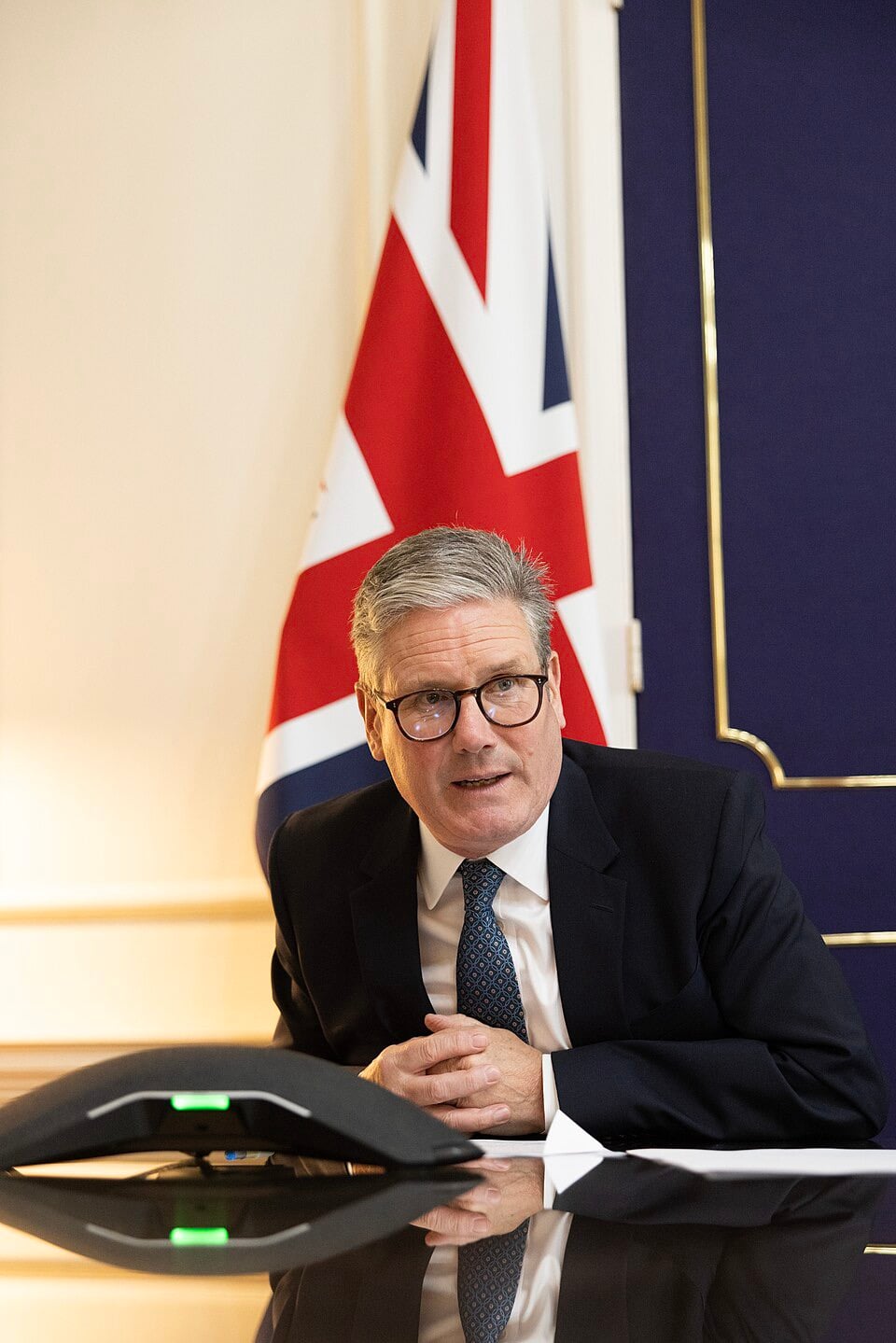
Keir Starmer is fighting for his political survival this morning after Labour suffered a devastating defeat in local elections across England, with a union boss becoming the first to publicly demand his removal and Nigel Farage declaring a “truly historic shift in British politics.”
The scale of the damage is stark. Labour has lost control of Redditch, Hartlepool, Tamworth, Exeter and Tameside councils — the last after 47 consecutive years — with Reform UK sweeping through former Red Wall heartlands across the North and Midlands. In Wigan, Reform took all but one of 25 available seats, snatching 20 from Labour. In Halton, Cheshire, Labour surrendered 15 of the 16 seats it was defending. Reform also seized Newcastle-under-Lyme from the Conservatives, while Labour was ejected from control in Southampton and Wandsworth in the South.
The first open call for Starmer’s departure came from Maryam Eslamdoust, general secretary of the Labour-affiliated transport union TSSA. Drawing a direct parallel with Joe Biden’s decision to stand aside in the United States, she said: “Unions like the TSSA will not stand by in the wake of this electoral disaster and let Keir Starmer pave the way for a hard right government led by Nigel Farage. It’s clear from these results that we’re facing a similar catastrophe unless Labour changes leadership and direction.” She confirmed the TSSA would seek to work with other unions to force a leadership election, adding that “people voted for meaningful change they could actually feel in their lives.”
Starmer, speaking in Ealing this morning, acknowledged the severity of the losses without offering any indication he would stand down. “The results are tough, they are very tough, and there’s no sugarcoating it,” he said. “We have lost brilliant Labour representatives across the country and that hurts, and it should hurt, and I take responsibility.” He insisted he would not “walk away,” promising announcements in the coming days and saying: “Days like this don’t weaken my resolve to deliver the change that I promised.” One Labour figure told the Daily Mail the performance was yet another example of “Robot Keir” failing to “hit the mark.”
Cabinet ministers moved quickly to shore up his position. Deputy Prime Minister David Lammy urged the party not to play “pass the parcel” with the leadership, telling the BBC: “You don’t change the pilot during the flight.” Defence Secretary John Healey insisted Starmer remained the right person to lead the recovery, telling Times Radio: “We have had difficult nights before, and we have worked our way back.”
Their efforts may face an uphill struggle. There were claims overnight that former leader Ed Miliband had privately suggested Starmer consider setting a departure timetable. Angela Rayner, Wes Streeting and Greater Manchester mayor Andy Burnham are all regarded by insiders as positioning themselves for a potential leadership challenge — though each faces significant obstacles. Rayner is still engaged in a dispute with HMRC over unpaid stamp duty and faces a fight to retain her own Ashton-under-Lyne seat, which includes Tameside where Reform performed strongly. Burnham, meanwhile, is not currently an MP, raising serious questions about whether he could find a safe seat given the party’s collapse.
Farage was in characteristically buoyant form, boasting of a “truly historic shift” and declaring he was heading for Downing Street. In a pointed joke, he said he would be “very sad” to see Starmer removed, calling him “the greatest asset we have got.”
Results from Scotland and Wales are yet to be declared, with Labour facing the prospect of further punishment in both the Scottish Parliament and Welsh Senedd counts. Pro-Gaza independents are also expected to cause additional damage to Labour in urban areas as further results come in. One senior Labour source warned the Daily Mail that Green co-leader Zack Polanski’s vote share was up and his main target boroughs had not yet declared. “You can see a big move of voters from Labour to Green,” the source said.
The Conservatives, while enduring a broadly dire night, found limited relief in securing all 11 seats on Harlow district council and seizing control of Westminster from Labour.
