



Dozens of British travellers have been stranded at two separate Milan airports within days of each other after the introduction of the European Union’s new biometric border entry system caused delays so severe that flights departed without them.
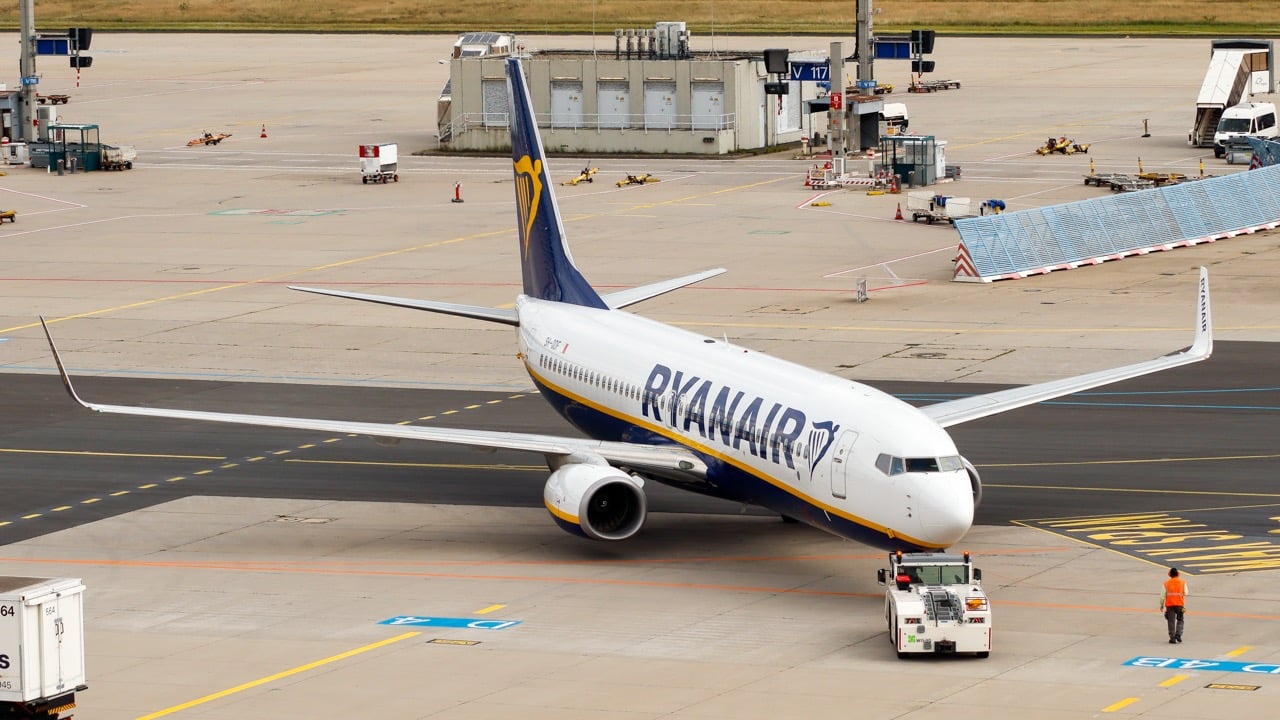
The most recent incident occurred on 16 April, when a Ryanair service from Milan Bergamo to Manchester took off with a number of its passengers still in the passport control queue. Reports suggest around 30 people were left behind, though Ryanair declined to confirm the precise figure. The airline said those affected would have been able to board had they reached the gate before it closed, attributing the disruption to delays at border control rather than any fault of its own.
Among those stranded was Adam Hassanjee, 18, from Bolton, who described standing motionless in the queue for an hour and a half before watching the plane leave without him. “We see the plane leave and got told we have to go and book our own flight back,” he told the BBC.
The incident followed a more chaotic episode four days earlier at Milan’s Linate airport, where approximately 100 easyJet customers missed a flight to Manchester on 12 April after three-hour queues at border control made it impossible to board in time. Passengers reported falling ill in the lengthy lines, with some vomiting or passing out while waiting. easyJet acknowledged the delays were “unacceptable” but said the situation was “outside of our control,” placing responsibility firmly on the EU’s new Entry/Exit System.
One passenger, 17-year-old Kiera, had arrived at the airport at 7.30am for an 11am departure, only to be told at 10.50am — as water was finally brought to those still queuing — that her Manchester flight had already left. She and her boyfriend then faced a 20-hour wait for an alternative service that ultimately landed at Gatwick rather than Manchester, at an additional cost to her mother of £520. The compensation offered by easyJet, she said, amounted to £12.25 — barely enough for a sandwich at the airport.
The disruption stems from the EES system, which began rolling out on 10 April and requires travellers from non-EU countries, including the UK following Brexit, to have their fingerprints taken and photographs recorded on their first entry into the Schengen Area. The 29-country zone has seen processing times slow considerably as a result, with delays and missed flights also reported at airports in Geneva, Lisbon and Malta in recent weeks.
Britannia Daily has contacted Milan Bergamo Airport for comment.
