



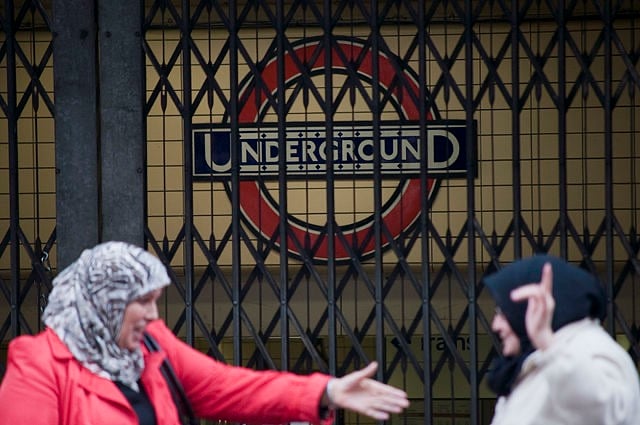
Millions of London commuters are facing significant disruption across the capital’s Underground network after the RMT union confirmed a series of 12 strike days spread across April, May and June, with the first walkout set to begin this Tuesday.
The dispute centres on working conditions that emerged following the introduction of a compressed four-day working week for Tube drivers. Around 1,800 RMT members are involved in the action, with union representatives citing concerns over shift lengths, fatigue risks, working time arrangements, and the processes by which staff are transferred and allocated across the network. The union argues that the current arrangements are unsafe and unacceptable, and that Transport for London has shown little willingness to address them at the negotiating table.
Industrial action had originally been planned for March but was suspended after talks with TfL showed sufficient progress to warrant further discussion. That goodwill appears to have since broken down entirely. RMT general secretary Eddie Dempsey said his negotiators had been left baffled by TfL’s approach. “We have approached negotiations with TfL in good faith throughout this entire process,” he said. “But despite our best efforts, TfL seem unwilling to make any concessions in a bid to avert strike action. This is extremely disappointing and has baffled our negotiators. The approach of TfL is not one which leads to industrial peace and will infuriate our members who want to see a negotiated settlement to this avoidable dispute.”
Each strike will run for a 24-hour period from midday to midday the following day, though disruption to services is expected to persist into the afternoons and evenings beyond those windows. The confirmed strike dates are as follows: 21–22 April, 23–24 April, 19–20 May, 21–22 May, 16–17 June and 18–19 June.
While TfL has indicated it will attempt to run reduced services on affected days, the strikes are expected to impact the Underground network in its entirety. The Elizabeth line and London Overground are not directly involved in the dispute, though both are expected to carry significantly higher passenger numbers should the action proceed as planned. Bus and National Rail services are likely to serve as the principal alternatives for those unable to work from home, as they have during previous stoppages. E-bike hire schemes also proved a popular option during Tube strikes in September last year and may again see increased demand.
TfL has not yet responded publicly to the RMT’s claim that it reneged on promises to negotiate in good faith.
