



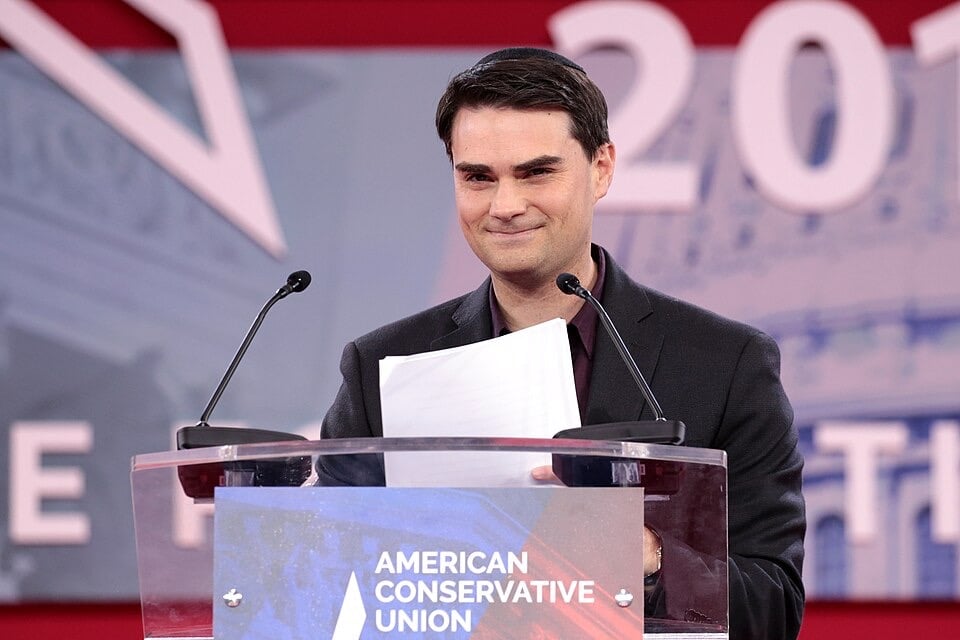
The Daily Wire, the conservative media company co-founded by Ben Shapiro, has confirmed significant layoffs across multiple teams as third-party analytics data point to a dramatic collapse in the outlet’s digital reach and financial position.
The restructuring, announced on 1 May 2026, was confirmed to The Wrap by a company spokesperson, who said cuts were “largely concentrated” at its Nashville production office. No official headcount figures were provided, though independent industry tracker layoffhedge.com estimated approximately 100 roles were eliminated, representing roughly half of the remaining workforce.
The announcement drew an immediate public dispute. Candace Owens, who was herself fired from the outlet in 2024, posted on X that she had heard more than 50% of staff had been let go, later revising that figure upward to 60%. Editor-in-chief Brent Scher pushed back directly, writing: “Yes, the company had layoffs today. It’s always really tough. No, it was nowhere near 50% of the company. That’s insane, and also insane to post without verifying.”
Among those affected is political reporter Cameron Arcand, who covered the outlet’s Washington DC beat. Britannia Daily can confirm that Arcand was let go as part of the restructuring, with the journalist publicly stating on X that he had been impacted by the layoffs and was now seeking new opportunities in journalism and communications. His departure is notable given that The Daily Wire had only recently established a Washington DC bureau with White House briefing room credentials — a move the company had presented as a sign of editorial ambition.
The cuts arrive against a backdrop of sharply declining audience figures. Channel analytics from vidiq show Shapiro’s YouTube channel attracting approximately 28 million views in the past 30 days while shedding 20,000 subscribers in the same window. Independent trackers report that monthly viewership peaked at around 170 million during late 2023, placing the current decline at roughly 85%. Neither YouTube nor The Daily Wire has confirmed that specific figure.
The financial picture has deteriorated alongside the audience numbers. Earnings data from HypeAuditor show Shapiro’s estimated monthly YouTube income falling from approximately $8,338 in April 2024 to between $3,882 and $5,318 by March 2026. Meanwhile, a mid-2025 analysis by Chaotic Era noted that while Shapiro posted a net loss of 10,000 subscribers in a single quarter, Tucker Carlson gained 1.2 million followers across platforms and Candace Owens added 2.8 million subscribers in the same period. His podcast has followed a similar downward path, with programmes hosted by Shawn Ryan, Tucker Carlson and Owens all ranking above The Ben Shapiro Show on both Spotify and Apple Podcasts.
The broader contraction has been building for more than a year. Co-founder Jeremy Boreing stepped down as co-CEO in March 2025, with Caleb Robinson assuming sole control of the chief executive role. Boreing told staff he would move into an advisory capacity. Shortly afterwards, the company shuttered Bentkey, its children’s streaming service positioned as a conservative alternative to Disney, following an initial investment of approximately $100 million in original programming. Multiple outlets reported during the same period that the company had retained bankruptcy counsel, though no formal proceedings have been filed.
Layoffhedge.com identifies the 1 May round as the second significant wave of cuts, following an earlier reduction of roughly a quarter of staff in April 2025. Combined, the tracker estimates cumulative job losses now exceed 60% of total headcount over 13 months.
In a January 2026 interview with Podcast News Daily, Boreing said the outlet had generated over $200 million in annual revenue at its peak. The company has not publicly addressed the gap between that figure and the scale of contraction now under way.
